Our road trip this summer started with some time in South Dakota. As someone who has never visited South Dakota, I was surprised by it’s beauty and unique features throughout the state. We planned to spend our short time in South Dakota stopping by Badlands National Park, the iconic Wall Drug store and Mount Rushmore before moving on to Wyoming. Combining these three destinations within two days worked out well for us before moving on to other parks. Here’s an overview of how we spent time in South Dakota.
Badlands National Park
Badlands is a park that truly surprised me! From the highway, this area of South Dakota seems pretty rural and green but as soon as you enter the park, there are desert like features and stunning badlands. Badlands is a small park but it did offer a lot of activity and sites to see in our short visit.
Things to do:
Check out the visitor’s center.
Hike the Notch trail. This trail is beautiful and offers a fun ladder to climb partially through the hike. Unfortunately we didn’t get to hike the entirety of this trail due to crowds. We made the mistake of trying to hike this mid day and once we reached the ladder, there was a huge line.
Hike the Window and Door trails. These are short trails along boardwalks that take you to a beautiful opening of more badlands.
Drive along the scenic road within the road. The road that takes you through the park is the scenic road and there are several pull off areas to stop to enjoy more badlands views.
Badlands overlookDriving along the scenic roadBadlands overlookBadlands overlookThe notch trailEntering the park
Wall Drug store
I didn’t know about Wall Drug until I started researching things to do in South Dakota. This is a huge tourist attraction about 15 minutes from Badlands National Park. The day we drove into South Dakota, we started seeing signs and billboards for Wall Drug 3 hours out! Although it’s a tourist stop, it was definitely a fun experience and I’d recommend stopping. The whole place feels western and old fashion which is part of the charm. Wall Drug is famous for it’s 5 cent coffee and free ice water which was historic years ago for travelers passing through.
After exploring Badlands and Wall Drug, we drove about an hour and a half to a campground in Custer State park, Center Lake campground, to be closer to our next destination. This was a wonderful campground for the night and the best part was we were only 30 minutes from Mount Rushmore!
Wall Drug5 cent coffeeFree ice waterThe original drug store frontMenu at cafe Souvenir shopping
Mount Rushmore
We woke up bright and early to visit Mount Rushmore before the crowds. If you can, I’d highly recommend this. We arrived around 5:30am and were one of the only ones visiting the monument. It was so peaceful and relaxing to experience this iconic monument without having to fight crowds. We spent a lot of time taking photos before walking the presidential trial. This trail is a little less then a mile and well paved with boardwalks and steps that give you an up close view of the monument. There’s also the sculptor’s studio along this trail that gives more information about the building process, practice sculptures that were built and the overall history of the monument. Since we were there so early this was closed (opens at 8am) but I would have loved to explore this part as well. Keep in mind, the monument itself is free to visit, however, it does cost $10 to park.
Mount Rushmore after sunriseOne of the only ones there this earlyPolaroid shot of monumentSculptor’s studioUp close view along Presidential trailPresidential trail
There is so much to see throughout South Dakota and I wish we would’ve had more time. Wind Caves National Park is also extremely close to this area too if you want to add another stop along the way. If you’re short on time like us or just passing through, these three stops are must sees!
Planning a trip to a national park can feel intimidating when there’s so much to plan for! Although a trip to a national park could be planned last minute, from experience I’d recommend planning well in advance to guarantee more options and less stress. Throughout the last two years, most of my trips have been to national parks. I’ve learned so much about the planning process and wanted to share some tips. This summer I’ll be going on another cross country road trip to visit 4 more national parks and these are the tips I followed to help us plan another amazing trip!
My Tips
If you’re planning to stay at a campground, be sure to book at least 6 months in advance for most national parks. This is the number one tip I have. Many people want to guarantee they will have an accommodation well in advance from their trip, especially during busy season which is usually summer. We are going to Glacier National Park this summer and I booked the campground for us in January (!). If planning this far in advance isn’t an option, most national parks do save ‘first come first serve’ spots at campgrounds but it is generally competitive. This tip could also apply to hotels or other accommodations near a national park.
Similar to tip one, if you’re planning to stay at a campground do some research on the area you’d like to be in. The campgrounds in most national parks are spread out and not necessarily close to popular sites and trails. If this is important to you, you’ll want to try and book the most central campground in the park, which no surprise, is usually the campground that fills up the fastest!
Take time to plan out hikes or other activities you’d like to do. Each national park has their own website that highlights the hikes within the park, campgrounds, historic sites, and other activities. If you plan to do a lot of hiking, I’d suggest mapping out the trails you’d like to do. On the website, you’ll find how long each hike is and the difficulty level (which is important to be aware of beforehand).
Research other reservation requirements. Since the pandemic, several national parks have been requiring additional vehicle timed entry reservations or reservation passes for popular sites to reduce crowds. As of this year, many popular national parks are still enforcing this and it’s important to know in advance because it’s not possible to get a reservation on site. I discuss the vehicle reservation system in some of my national park posts, there are ways around this if you’re unable to get a pass in advance. These requirements will be clearly listed on each park’s website.
Look up trail statuses on the national park’s website. As I mentioned earlier, each national park has their own website and updates are posted daily. This is particularly helpful if you’re going to a park with lots of wildlife, or drastic weather changes. Sometimes trails close if there’s too much wildlife activity or due to weather conditions. Speaking from experience, it’s better to check before hand or else you’ll arrive at the trail feeling disappointed!
If you plan to visit multiple national parks in one trip, I’d recommend investing in the America The Beautiful pass, it’s $80 and gives you access to any national park for one year! Most national parks cost $35 for entry so the pass will definitely pay for itself if you have plans to visit more then one park within a year!
Pack extra layers. This is a tip I learned from experience, even if you’re visiting a national park during the summer months, I found most nights or early mornings were still chilly, especially if you’re hiking in higher elevations! The climate definitely changes the higher up you hike.
Arrive early to trailheads. Popular hikes within a national park become very crowded! I’d suggest arriving to most trailheads before 7am if you’d like to explore without crowds. This is also beneficial for securing a parking lot at a trailhead as these fill up quickly too depending on the popularity.
Last Summer, I went on my first cross country road to explore five different National Parks within Colorado and Utah. Traveling from Ohio, I knew very little about States out west and I spent several months doing research, making reservations in advance, and planning out a two week itinerary for my boyfriend and I. This trip included time in the Rocky Mountains National Park and time within Utah exploring 4 out of the 5 National Parks in the state. If you’re planning a similar trip, I hope this itinerary I developed is useful or gives some ideas to add to your own road trip itinerary!
Two Week Itinerary
Day One: Travel Day
Since we were traveling from Ohio, we decided to break the drive out to Colorado into two days. We stopped in Nebraska on our way after about 13 hours of driving. We found a hotel near Omaha, NE for the night.
🌛 Hotel in Omaha, NE
Day Two: Travel Day
On our second day, we left Omaha bright and early for a 7 hour drive to Boulder, CO. Once we arrived in Boulder we spent time walking around town and exploring Pearl St. which is an iconic spot in downtown Boulder that features fun shops and restaurants. My favorite part of this day was spending time at a free campsite we found just outside of Boulder, CO. This campsite was about an hour from downtown Boulder and 45 minutes to Rocky Mountains National Park.
Tips:
I found all of our free campsites off the Campendium or freecampsites.net
We purchased the America the Beautiful National Park pass which was $80 and covers entrances to all National Parks.
🌛 Beaver Reservoir Dispersed Camping
DayThree: Rocky Mountains National Park
On day three, we woke up bright and early to enjoy sunrise at our campsite before heading into Rocky Mountains National Park. On our way into the park, we stop in downtown Estes Park for some breakfast. We found Kind Coffee which was definitely a favorite stop of ours! After some coffee and breakfast we spent our first day hiking in the Bear Lake area and hiked to Bear, Nymph and Dream lakes. After hiking in this area, we stop at the visitor’s center and explored more of Estes Park. For the next two nights we stayed at one of the campgrounds in the Park, Glacier Basin.
Tips:
I wrote a blog post about our experience in RMNP if you’re looking for an in depth guide, read here.
Campground reservations can be made 6 months in advance, so if you know your dates book as soon as you can!
Rocky Mountains National Park requires a vehicle reservation to enter the park during certain hours. I discuss this in depth in my post dedicate to RMNP.
🌛 Glacier Basin Campground
Day Four: Rocky Mountains National Park
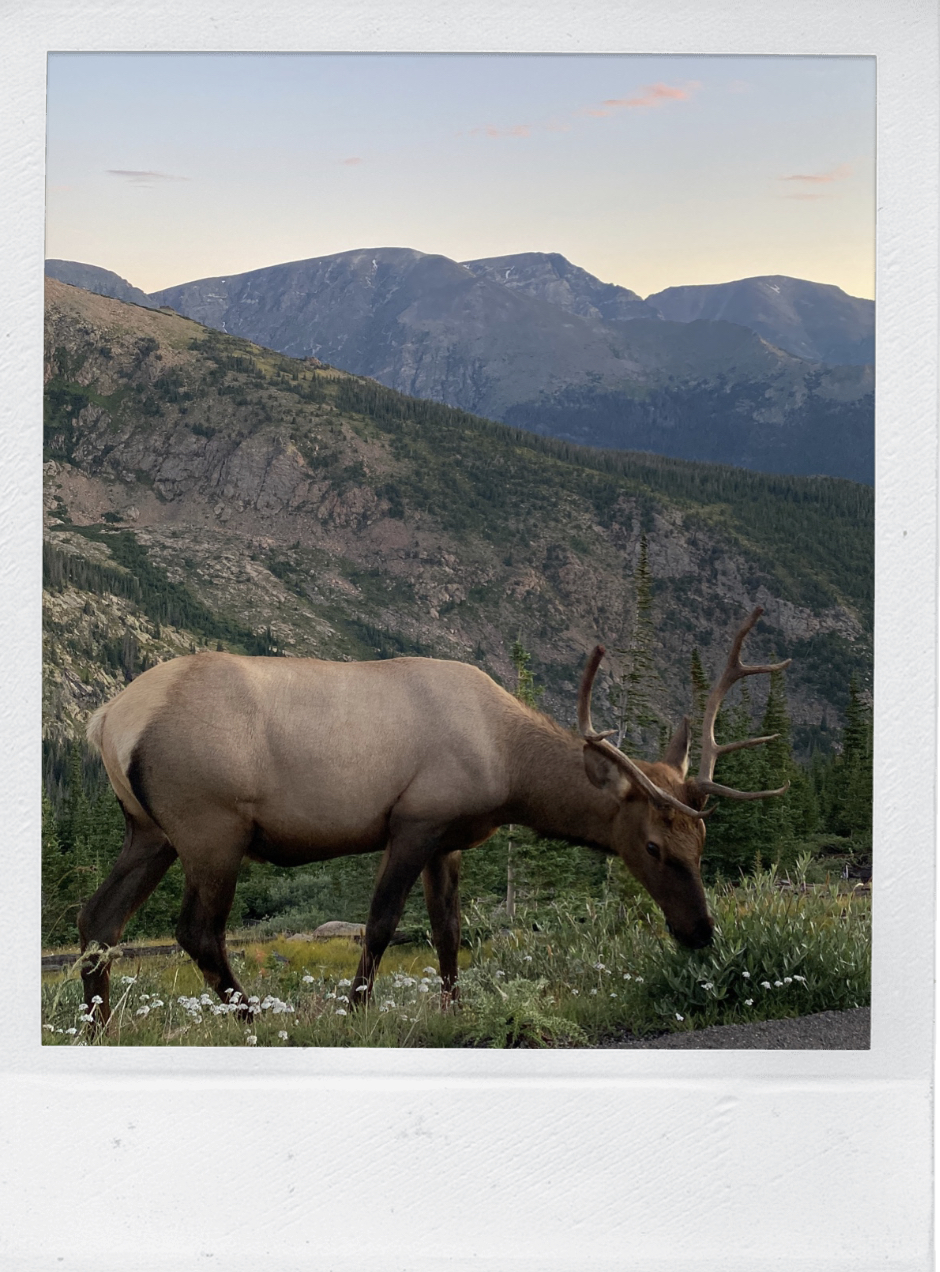
Our second full day in RMNP was a busy one! We spent our entire morning hiking to Mount Ida. From the Glacier Basin campground, this trailhead is about an hour away. The best part about the drive there is driving along the iconic Trail Ridge Road which is the highest highway road in the country! It was incredible to experience the views and the road during sunrise. We saw so much wildlife and almost had the entire road to ourselves since it was so early. To hike Mount Ida, you can park at Milner Pass parking lot. This hike was a strenuous 9 mile hike but the views were some of the best I’ve ever seen! After this hike, we went into town to take a shower. We found a local laundry mat that had showers for visitors that cost $4. That evening we had dinner in town at the Bird & Jim, which was delicious!
🌛 Glacier Basin Campground
Day Five: Travel Day
We were pretty exhausted after a long hike the day before so we slept in and took our time leaving Colorado. We stopped in Estes Park for the last time and got another cup of Kind Coffee before starting a 6 hour drive to Moab, UT. We planned to car camp once we arrived to Moab and we were surprised to find several camping areas off the main road that were first come first serve. We picked the first one we could find which was Upper Big Bend Campground and paid $20 for a spot that night. This night was extremely hot compared to the nights we just experienced in Colorado. The campsite we chose was about 15 minutes from Arches National Park which was super convenient.
Tips:
I have a blog post dedicated to our time in Arches National Park with more details of our experiences, read here.
Arches National Park requires a vehicle reservation to enter the park during certain hours. I discuss this in depth in my post dedicated to ANP.
All campgrounds in the area we stayed were $20 per night for a camp spot.
The campgrounds off the main road that we found had no running water, no showers, and no flush toilets.
Moab, UT is known as boondocking country, meaning there’s a lot of free camp spots surrounding Moab! Check out Campendium or freecampsites.net to find a free spot. Most are quite a drive from the park which is why we decided to pay $20 to be close.
🌛 Upper Big Bend Campground
Day Six: Arches National Park
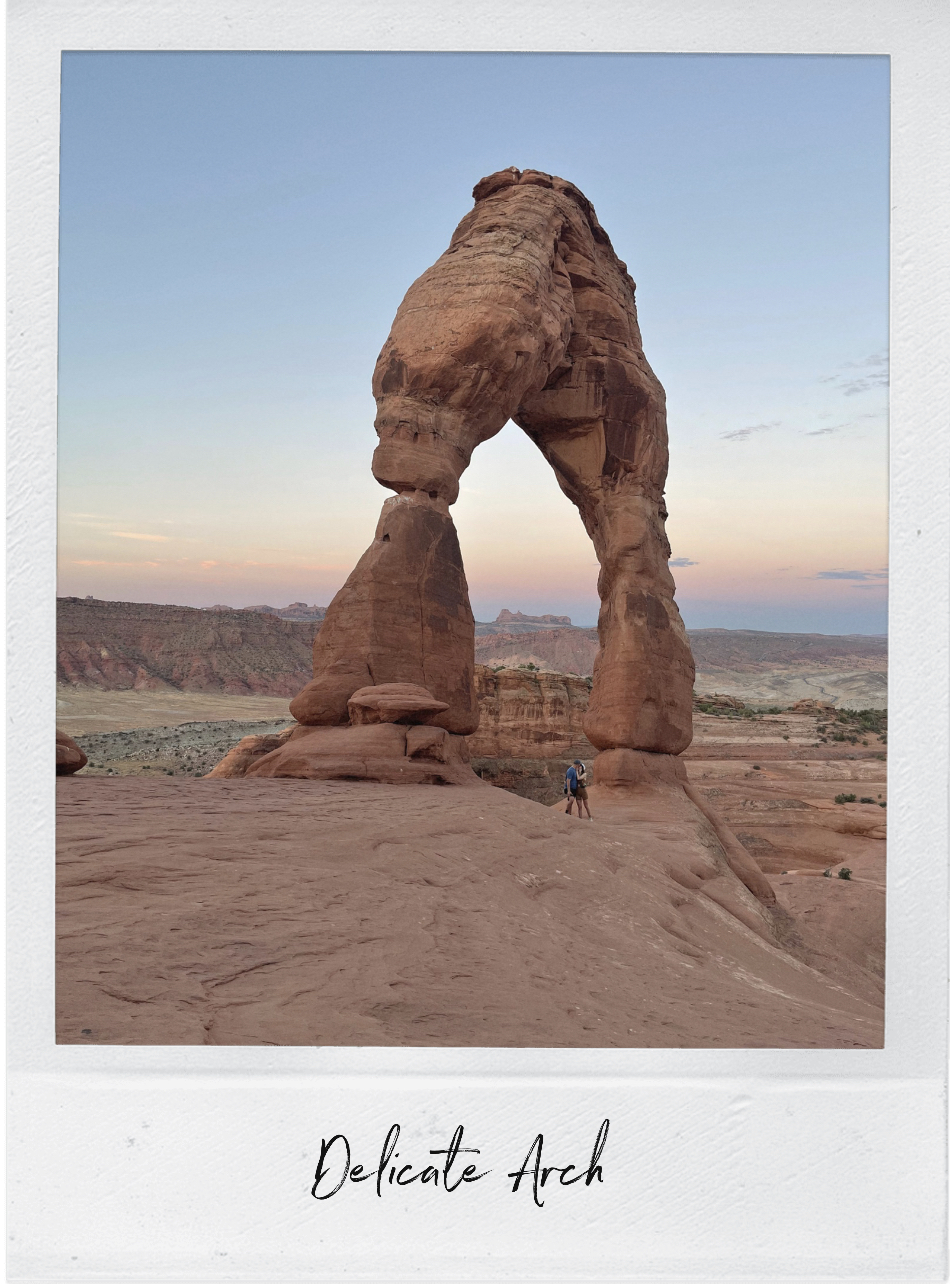
We woke up around 3:30am tired but excited to drive into Arches National Park for the day. We drove to Delicate Arch trailhead to begin a sunrise hike to this iconic arch. It took about an hour to hike to the top and we made it just before the sun started to rise. Delicate arch is incredible in person and much bigger than I imagined. We spent a couple hours admiring Delicate Arch before hiking back down. Afterwards, we explored more Arches in the park. It was extremely hot so we didn’t last long out in the heat. This night we ended up booking a hotel room to escape the heat and it was definitely worth it!
🌛 Scenic View Inn and Suites Moab
Day Seven: Arches National Park/Travel Day
We slept in and explored downtown Moab before heading back into Arches National Park. We spent some more time driving through Arches National Park admiring Arches from a distance and stopping along viewpoints. We also took some time to explore Park Avenue which was one of the coolest spots we visited in the park. Afterwards, we prepared for a 4.5 hour drive to Bryce Canyon National Park. Once we arrived, we stayed at a free camp spot, Tom’s Best Spring Dispersed Camping which is about 15 minutes from the park.
🌛 Tom’s Best Spring Dispersed Camping
Day Eight: Bryce Canyon National Park
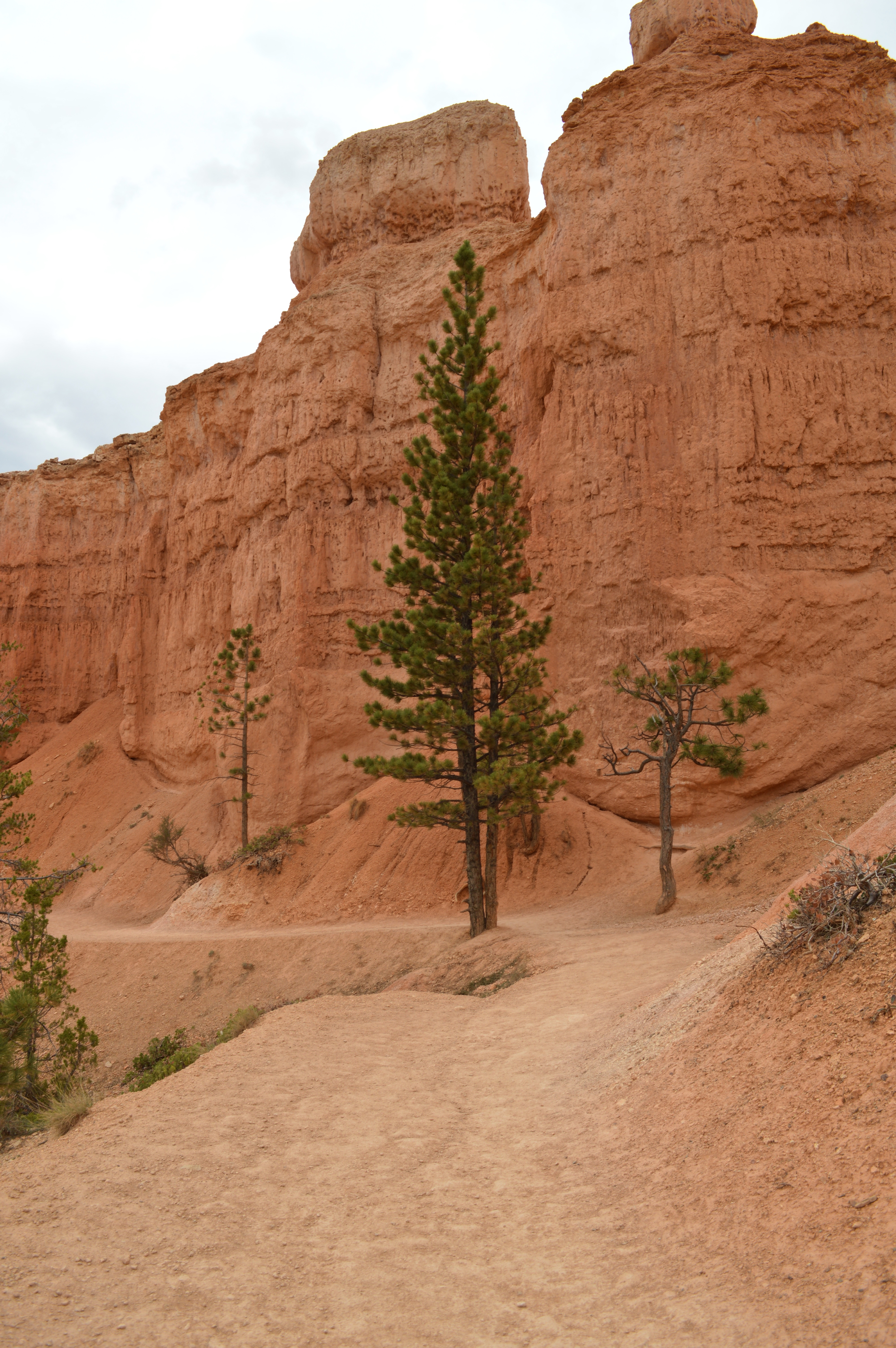
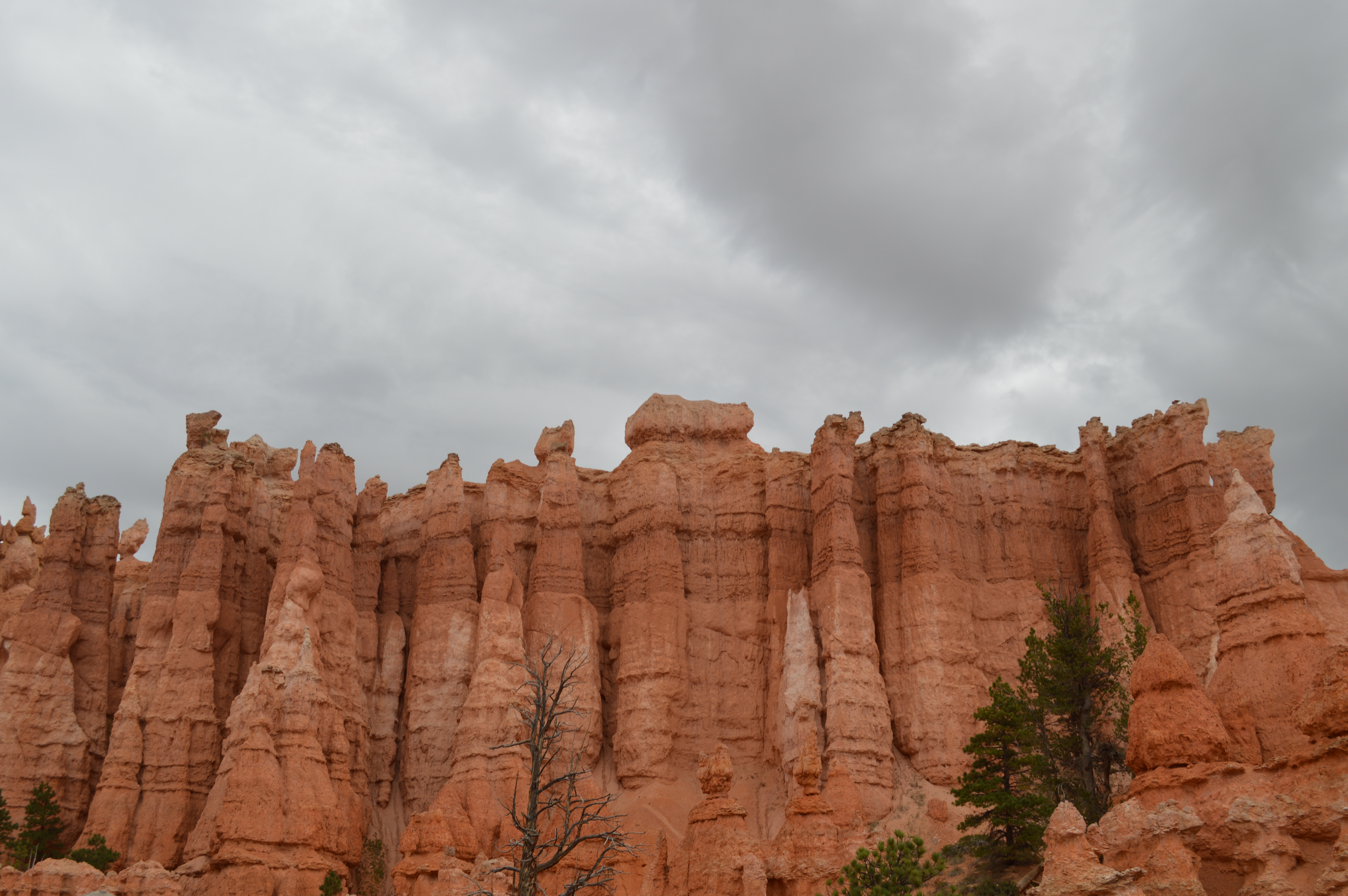
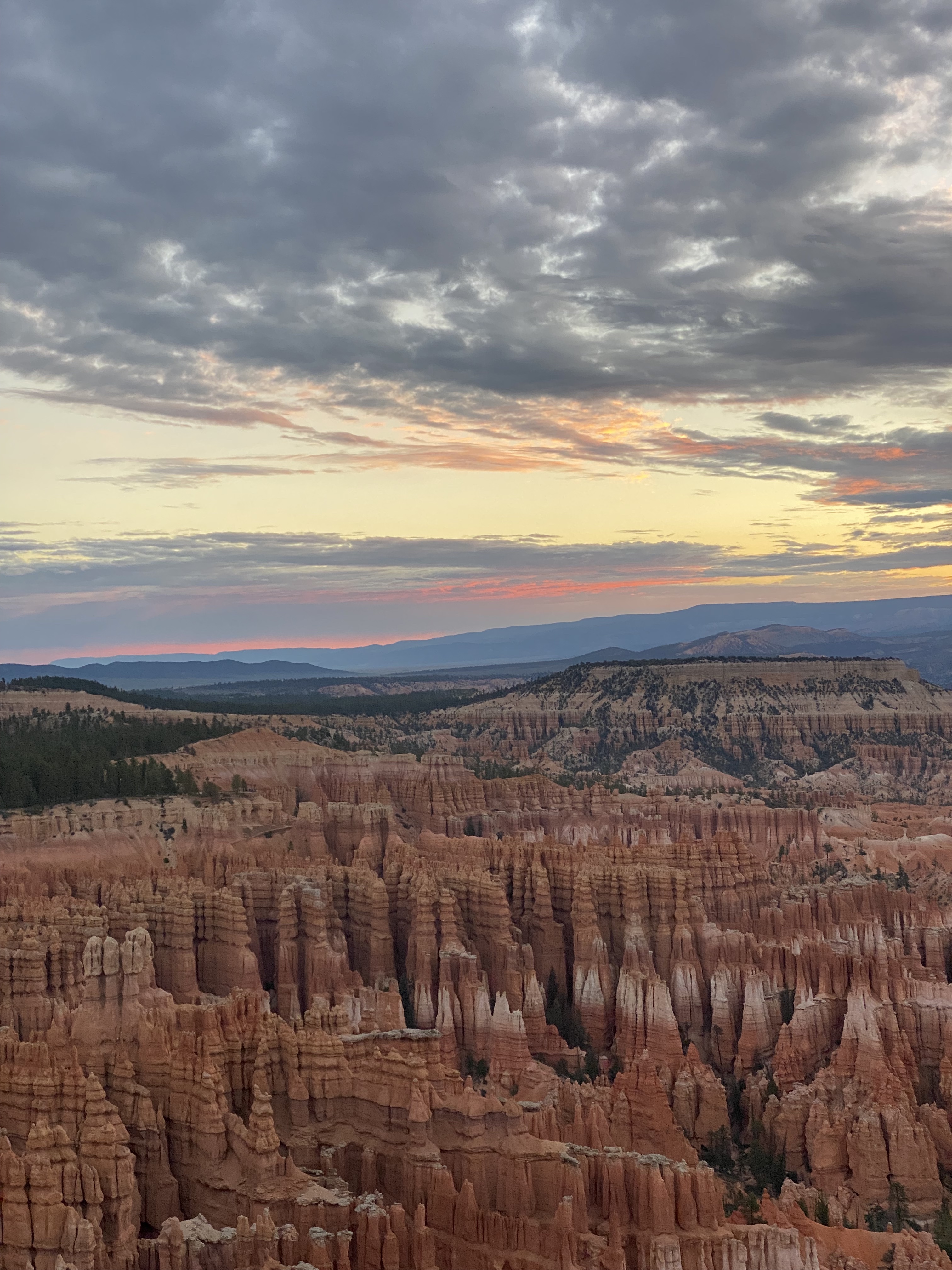
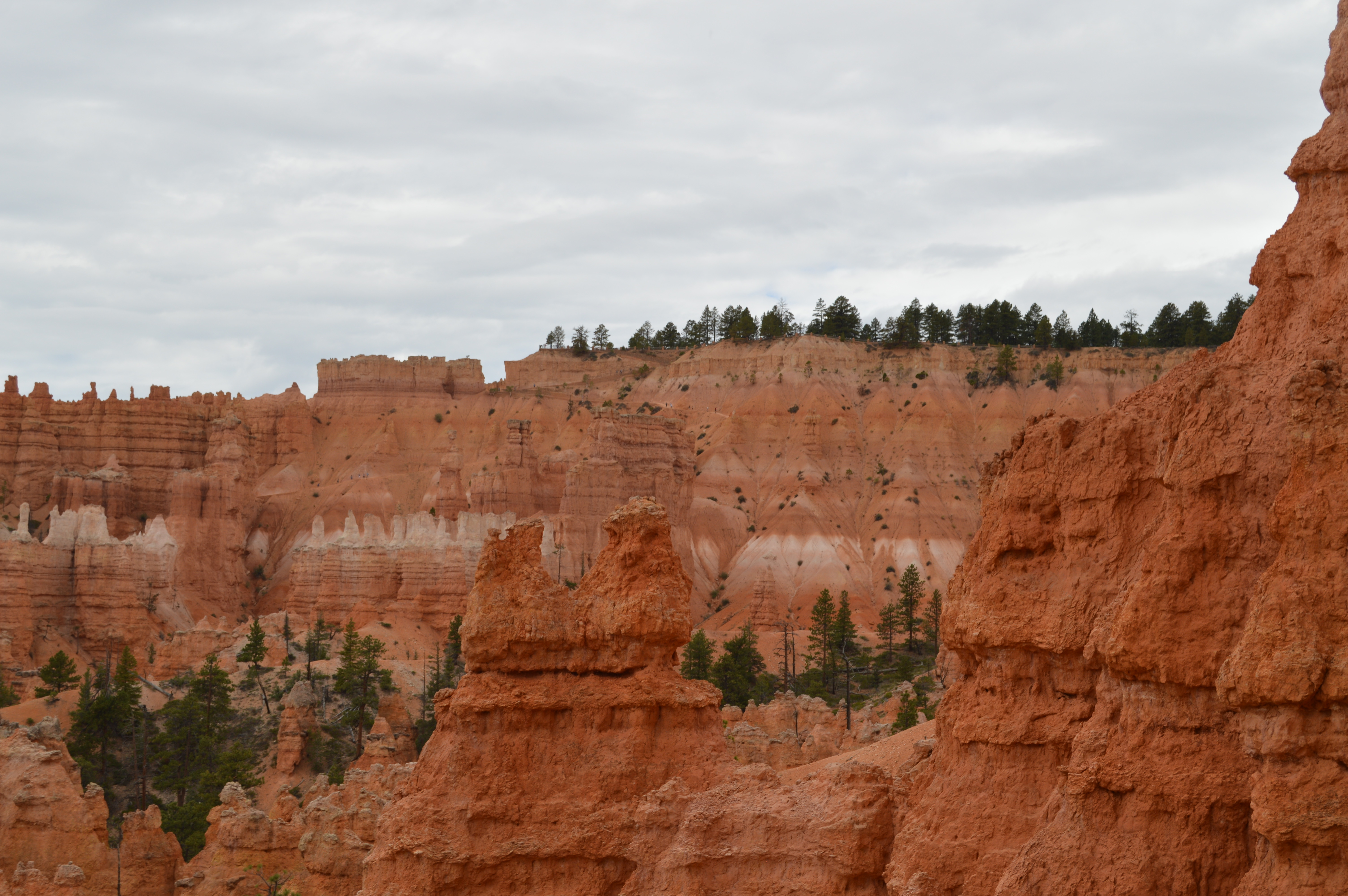
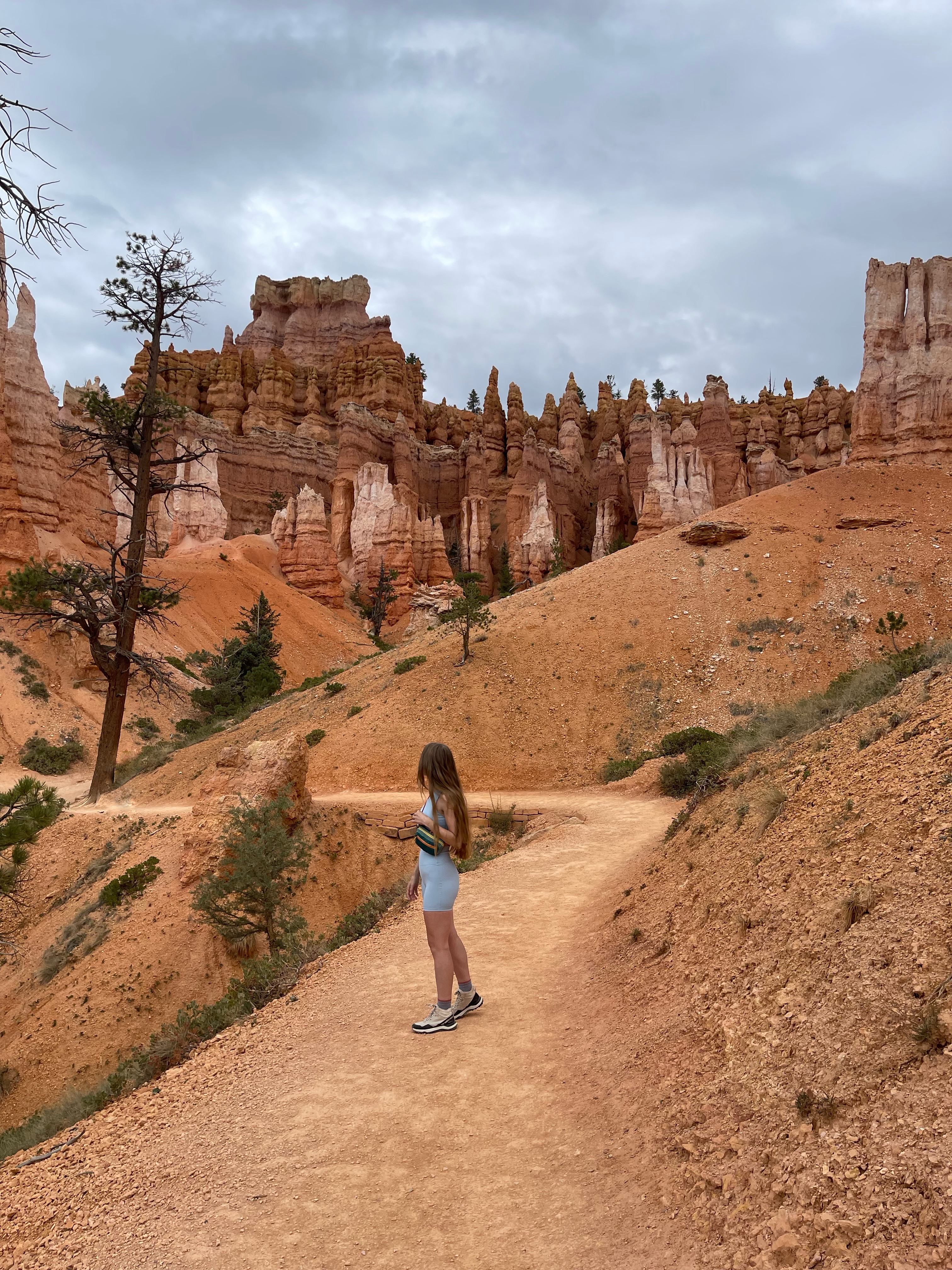
We only planned for one day in Bryce Canyon so we woke up early to make the most of our time. We started the morning at Inspiration Point for sunrise, this was an incredible spot but I imagine any spot in the park is amazing to watch sunrise. After sunrise, we drove to Sunset Point to hike the Navajo and Queen’s Garden loop trail. This was the perfect hike to do with only a day in the park. We were able to see the highlights of the park and spend time admiring all of the hoodoos! We ended the day by driving to Zion National Park which was a 2 hour drive.
Once we arrived in Zion, we went to Zion Outfitters to pick up rented gear for the Narrows hike. We then went to a free camp spot we found but ended up booking a reservation at Gooseberry Lodges last minute due to extreme heat temperatures and a thunder storm that was predicted. This was a great decision and gave us a comfortable place to sleep each night while visiting Zion. Gooseberry Lodges offer small private cabins for an affordable price and the location is about 45 minutes from the park.
Tips:
I have a blog post dedicated to our time in Bryce Canyon National park, read here.
Tom’s Best Spring Dispersed Camping was an awesome free spot, the spaces were spread out and there was cell service which was a first!
I have a dedicated post to our time in Zion, read here.
🌛 Gooseberry Lodges
Day Nine: Zion National Park
Our first day in Zion was a full day! We started the day bright and early with a sunrise hike to Canyon Overlook which was one of my favorite memories, the views from this one mile hike were amazing. Afterwards we drove into Springsdale which is the closest town to Zion and got breakfast sandwiches from Deep Creek Coffee. Our next hike was The Narrows which was one I was most looking forward to as we planned our trip. We had already picked up our gear the night before which saved time. We got on the shuttle near the visitor’s center to begin our hike to The Narrows and got off at shuttle stop #9. We spent about 4 hours hiking in the Narrows. That night, we ordered dinner from a local spot near our cabin and enjoyed some time out by the fire after a long day of adventuring!
Tips:
During busy season, Zion requires visitors to use their shuttle system to access most trailheads. The shuttle is free and the easiest spot to pick up the shuttle is at the visitor’s center.
Canyon Overlook is one of the only areas you can drive in your personal vehicle to get to.
I would definitely recommended renting the gear if you plan to hike the Narrows.
🌛 Gooseberry Lodges
Day Ten: Zion National Park
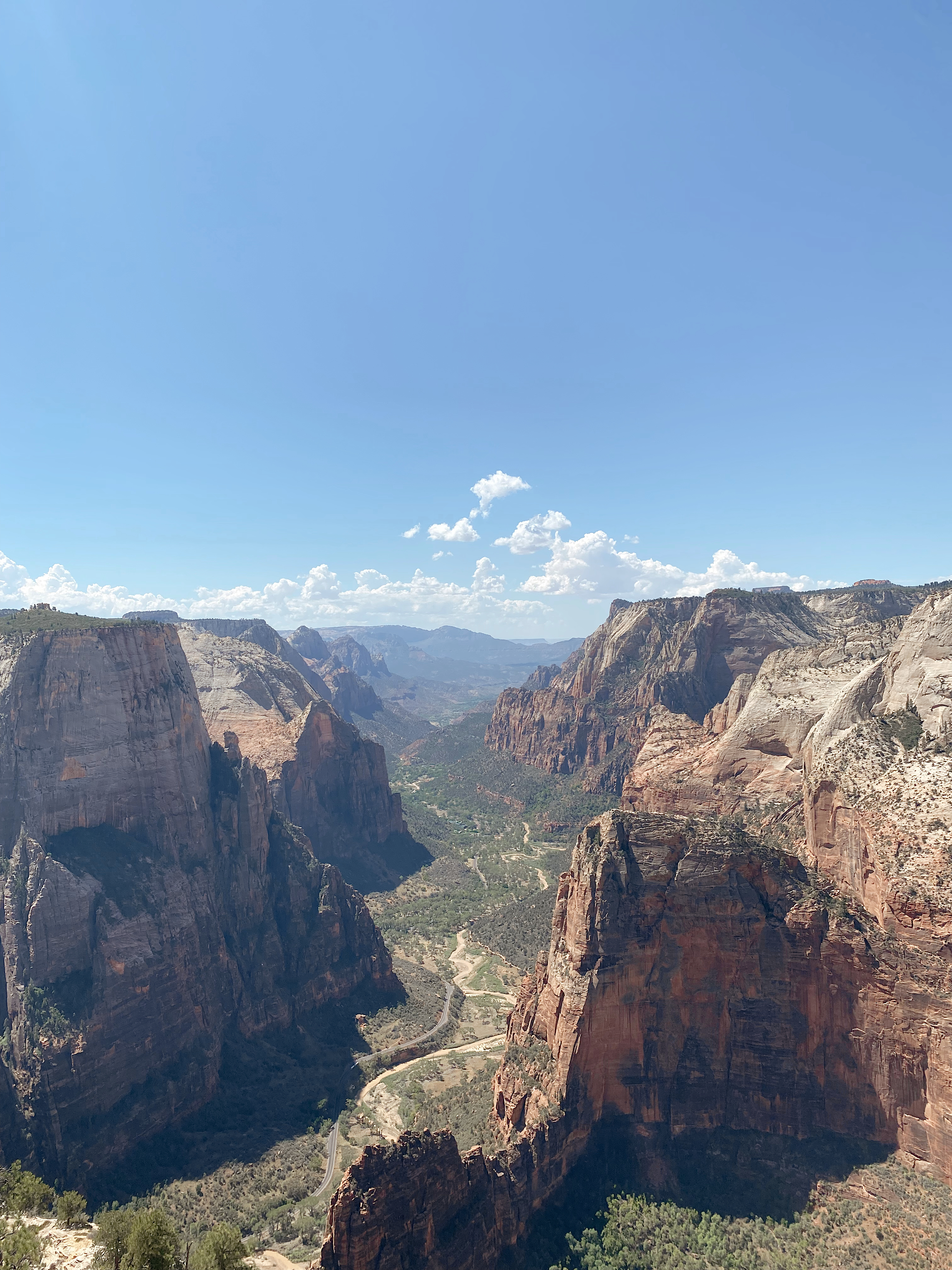
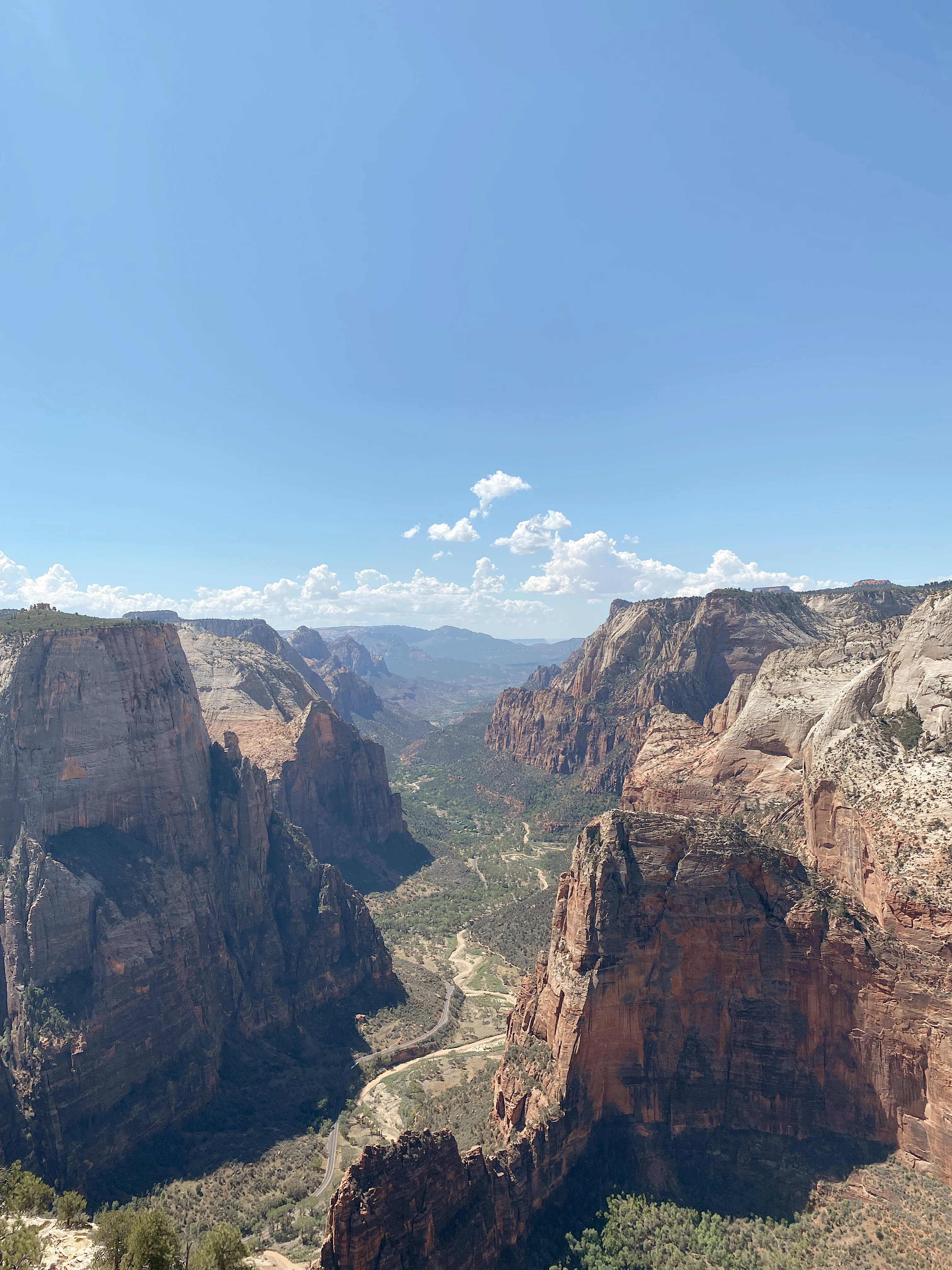
On our second full day in Zion, we planned to hike to Observation Point. This hike offers one of the best views in Zion and a lot safer then Angel’s Landing! Be sure to read my blog post about Zion if you’re planning to hike to Observation Point as there’s a lot to know in advance. After an afternoon hike to Observation Point we spent the rest of the day walking around Springsdale, souvenir shopping and catching up on laundry.
🌛 Gooseberry Lodges
Day Eleven: Travel Day
We slept in and drove into Springsdale to stop at our favorite coffee shop one last time, Deep Creek Coffee. Our last National Park on this road trip was Capitol Reef National Park, which is about 3.5 hours from Zion National Park. The drive to Capitol Reef from Zion is a bit boring and as you enter the nearby towns to Capitol Reef, it feels like you’re in a Western movie. Capitol Reef is quite literally in the middle of nowhere so restaurants and shops are very limited. Since we arrived to the park later in the afternoon, we didn’t hike but spent time exploring the scenic drive which is about 8 miles one way to Capitol Gorge. This is a historic drive that offers stunning views of the park, definitely a must see. After a long day of traveling, we checked into our hotel for the next two nights, Capitol Reef Resort.
Tips:
I wrote a separate blog post about our time in Capitol Reef that provides more information about our time in the park, read here.
🌛 Capitol Reef Resort
Day Twelve: Capitol Reef National Park
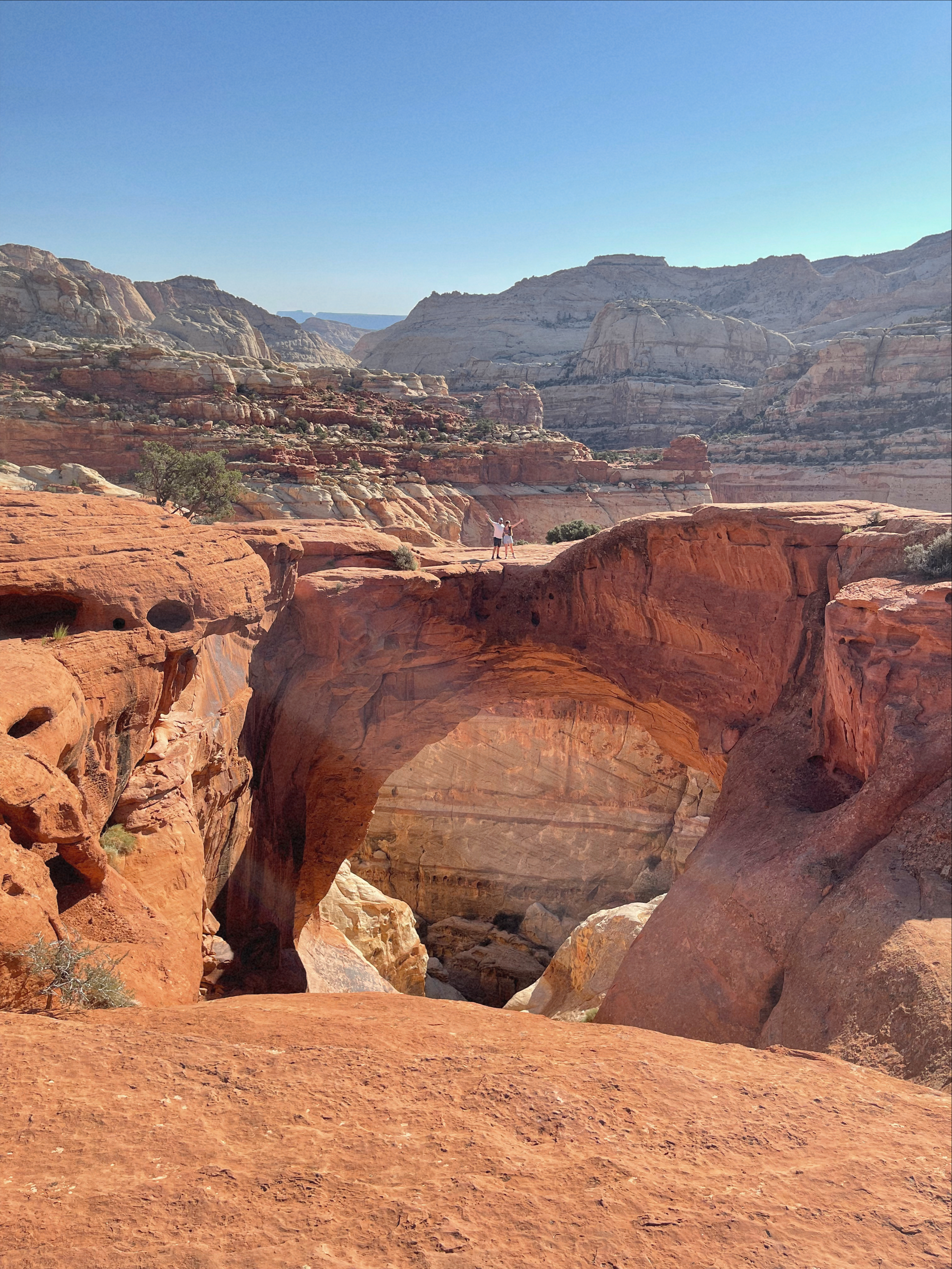
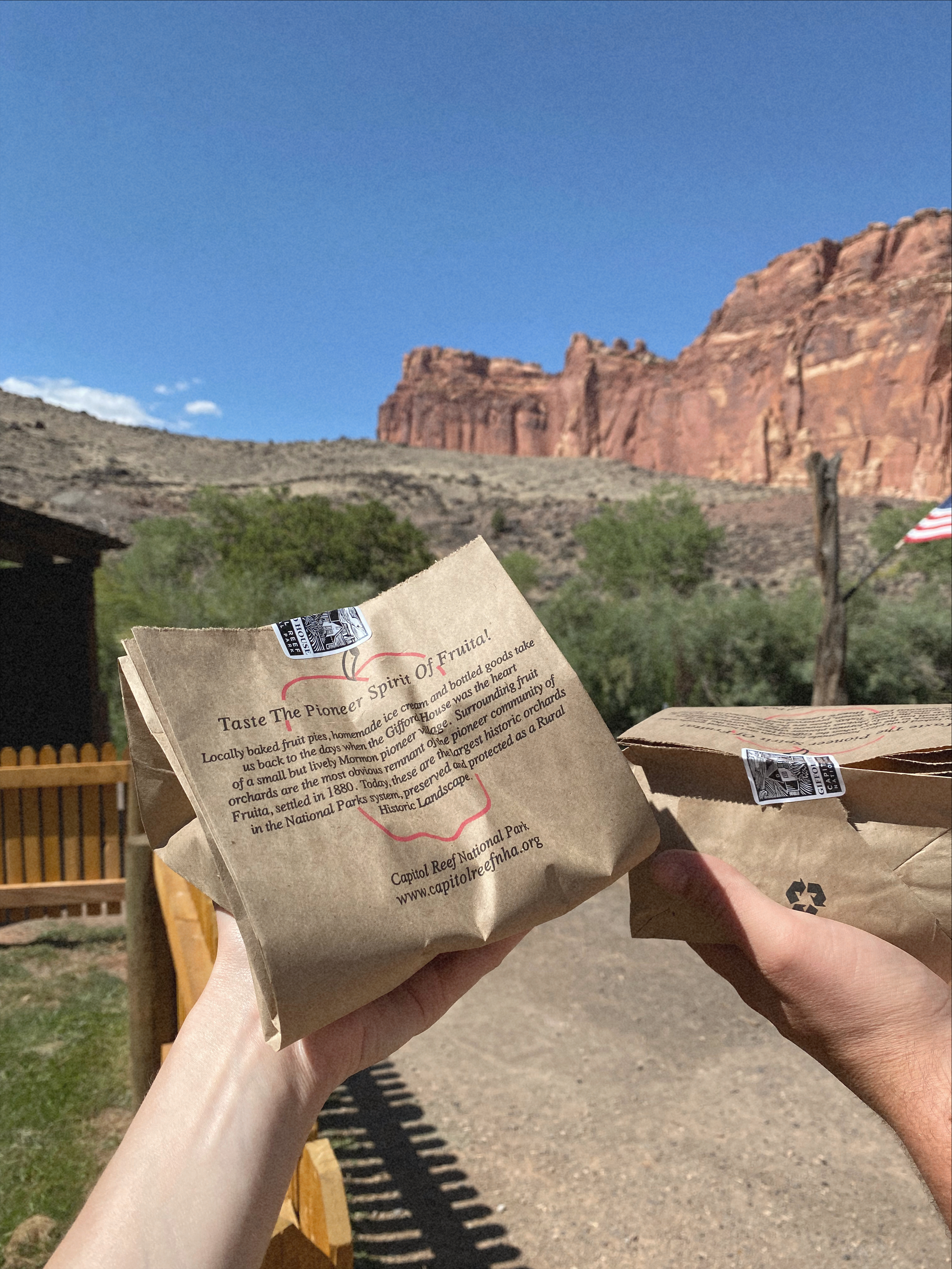
Our first full day in Capitol Reef was actually my birthday so I picked the activities we did this day! I was most looking forward to hiking to Cassidy Arch which is an iconic spot in Capitol Reef. The hike to Cassidy Arch was tough but definitely worth the view at the end. Afterwards, we explored the fruita district of the park and stopped by Gifford Homestead for fresh pies, which were amazing! We also planned to hike the grand wash trail which is another popular spot in the park, but due to extreme heat temperatures we only hiked the beginning on this trail before turning back.
🌛 Capitol Reef Resort
Day Thirteen: Travel Day
We woke up early and enjoyed breakfast at the hotel before leaving Capitol Reef. We started our trip back to Colorado with a plan to stop in Vail, CO for the night. Vail is about 5.5 hours from Capitol Reef National Park. This trip felt longer than other days, most likely due to general exhaustion from a long road trip! Once we arrived in Vail, we camped at Camp Hale Memorial campground. This campground was stunning and so scenic and quiet. It truly was the perfect way to end our road trip. This campground was about $30 for the night and it was available to reserve in advance but when we arrived there were plenty of empty spots available as well.
🌛 Camp Hale Memorial Campground
Day Fourteen: Travel Day
From Vail, CO we woke up around 4am to drive towards Des Moines, IA for our stopping point. We drove about 12 hours to get to a hotel for the night. We arrived around dinner time and ordered in food at a nearby restaurant and went to bed early to prepare for another long travel day!
🌛 Hotel near Des Moines, IA
Day Fifteen: Travel Day
We left Des Moines bright and early and headed back towards Ohio which was about an 10 hour drive. We arrived home mid afternoon after a long two week road trip! This road trip gave me some of my best memories and it was definitely worth all the early mornings, days without service, heat exhaustion, and long days in the car.
Capitol Reef was the last National Park we visited on our road trip last summer. After our time in Zion, we drove 3.5 hours to Capitol Reef. We spent about two days in Capitol Reef and in my opinion that was plenty of time. This is a small National Park that offers unique scenery and a more secluded environment. Here’s an outline of our time in Capitol Reef.
Things to Know About Capital Reef
It’s hot! Similar to many other National Parks in Utah during the summer, the heat is extreme. Many of the trails in Capitol Reef have little to no shade at all.
The park is the main attraction. Capitol Reef is nearby the small town of Torrey, UT. There are limited restaurants and shops in this area. We also discovered the restaurants in the town had limited hours and most were closed during the early days of the week.
There are different regions of Capitol Reef National Park, we spent our time in the most popular area of the park, the Fruita Historic district. Someday I’d love to explore other regions of this park but they are quite spaced out so more time would be necessary.
I would recommend having a park map with you while hiking or using an app like Alltrails. We noticed many hikes were not clearly marked and it was easy to become lost.
Day One
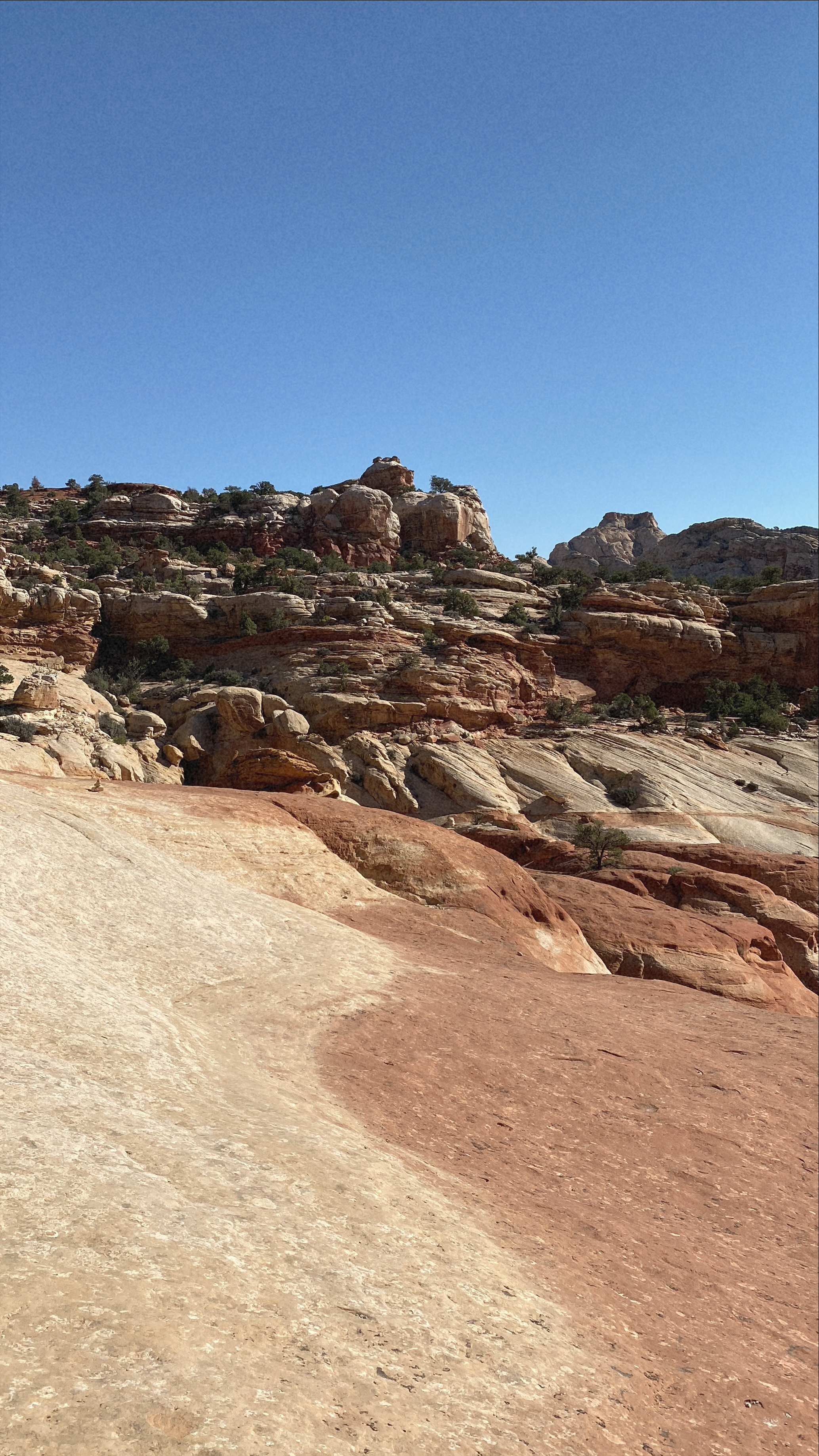
We started our time in Capitol Reef late in the afternoon after a drive from Zion. One of the first things we wanted to do was drive along the scenic drive in the park and check out some scenic overlooks. The scenic drive is called the Capitol Reef Scenic road and it leads all the way to the capitol gorge area.
After taking some time driving along the scenic drive, we decided to check into our hotel. We stayed at Capitol Reef Resort while visiting the park. This resort is more like a nicer motel but offers incredible views of the red rocks in the park. We stayed in one of the hotel rooms but they also offer cabins and other unique accommodations. For dinner we found a local place that was open, and had a relaxing night in after a long day.
Day Two
Our second and really full day in Capitol Reef was actually my birthday and I wanted to hike to Cassidy Arch. The hike to Cassidy Arch is 3 miles round trip and it provides some of the best views within Capitol Reef. The hike to get to Cassidy Arch is steep and pretty strenuous. It was also extremely hot even though we started fairly early in the morning, there was limited shade. This trail was marked more so towards the end of the hike as you become closer to the arch. The beginning of the hike is where we became turned around a few times and we were frequently referring to Alltrails app to find the way.
Once we reached Cassidy Arch we spent time at the top soaking in the view. When we reached the arch, there was only one other family there. One of the most surprising parts of visiting Capitol Reef was experiencing popular areas with no crowds, definitely a nice change compared to other parks we’ve visited. The best part of Cassidy Arch is you can actually walk across it! It’s a lot wider than it appears and is safe to walk across.
After Cassidy Arch, we made our way back towards the historic fruita district to explore. We stopped by Gifford Homestead for fresh pies. Gifford’s is famous for their fresh fruit and pies throughout the year. The pies did not disappoint, we bought two apple pies and they were incredible! Definitely a must see while visiting the park. The pies are baked fresh daily so it’s best to go early as they do sell out fast.
For the rest of the afternoon we spent time at the visitor’s center and exploring the grand wash trail. Unfortunately we did not hike the entire trail due to extreme heat temperatures. We decided to go back to our hotel and spend some time in the pool and cool down before dinner.
For my birthday dinner, we decided to eat at our hotel’s restaurant, The Pioneer Kitchen. I would highly recommend if you want a nice sit down dinner, it was very good!
View along scenic driveBirthday morning from hotel balconyCassidy ArchPicking out pies at Gifford HomesteadPies securedGrand Wash trailExcited to start exploringHiking to Cassidy ArchPit stop along scenic driveSunset from hotel balcony
Our third National Park on our road trip last year was Bryce Canyon National Park. Bryce Canyon is a smaller park, known for their iconic “hoodoos” which are rock formations that populate most of the park. We only spent a day in Bryce Canyon and this was enough time to see some highlights. Someday, I would like to revisit and hike other trails but visiting this park in a day is definitely possible! Here’s an outline of how we spent a day in Bryce Canyon.
An Afternoon with Hoodoos
We drove from Arches National Park to Bryce Canyon National Park and spent the night car camping at a free camp spot outside the park (Tom’s Best Spring Dispersed Camping). This campsite was about 15 minutes from the park entrance and we had a quiet evening camping before a full day of exploring. The next morning we drove into the park early so we could watch the sunrise. We decided to watch the sunrise at Inspiration Point which was stunning! We got to the top just before the sun rose and were able to see all of the hoodoos come to light.
After sunrise, we made coffee and breakfast in the parking lot before heading to our first hike. When researching Bryce Canyon, I was most excited to hike along the Navajo and Queen’s Garden Loop trail. The two trails can be separated but if you connect them it ends up being a 3 mile hike that offers the best views for a quick trip in this park. The park has two major points Sunrise Point and Sunset Point. Both are equally beautiful views and lead you to the trail head of Navajo loop.
There are a couple ways to start the Navajo/Queen’s Garden Loop trail. If you start at Sunset Point, like us, there are signs that direct you towards the Navajo trail. As you hike along the Navajo trail there’s a fork soon after starting and you’ll need to decide if you want to hike to Wall Street first or Two Bridges which are two well known sights on this trail. Keep in mind, you will see both eventually since it’s a loop trail. We decided to start with Wall Street. This is an iconic view of the park and involves several tight switchbacks. When we hiked down Wall Street it was extremely crowded so be prepared for that. From Wall Street we continued on the trail, admiring hoodoos along the way. We felt like we were walking in a different planet, the scenery in Bryce Canyon is so surreal. The hike itself isn’t too difficult but it is steep in some areas. If you start from Wall Street like we did, eventually there will be signs that point towards the Queen’s Garden loop trail. There are a couple fun hoodoos I would recommend keeping an eye out for as you hike this trail:
Queen Victoria (near the Queen’s Garden loop)
Thor’s Hammer (near sunrise point)
Tips
Bryce Canyon is a popular. Be prepared for crowds! When we went, there were several tour buses and so many people on the trails.
If you plan to have a picnic or snacks and want to sit somewhere during a hike, be aware the orange sand throughout the park can stain clothes! We brought a towel we could sit on which was helpful.
There are a few campgrounds within Bryce Canyon National Park [North campground and Sunset campground]. There are also a lot of free camp spots in the area like the one we found.
Bryce Canyon feels like it’s in the middle of “nowhere” so there aren’t many restaurants and shops in the area.
Bryce Canyon is close to other National Parks. Bryce is about 2 hours from Zion National Park and 4.5 hours from Arches National Park. If you’re planning on visiting several National Parks on one trip like us, this is super convenient to do!
Hoodoos along the Navajo trailSunrise PointNavajo/Queen’s Garden trailSunrise at Inspiration PointFree Camp spot near Bryce Canyon
One of my favorite National Parks is definitely Zion National Park. It offers incredible natural beauty and breath taking views. We were able to spend two full days exploring the park which was a nice introduction. I would recommend 3-4 days in the park to fully experience everything Zion has to offer. Here’s an outline of the hikes and activities we did within our two day trip.
Things to Know About Zion National Park
During peak season, the park requires use of their shuttle system. There are only certain areas of the park you are able to drive with your personal vehicle. For most of the hikes and activities, the shuttle is required. The shuttle is free and is easily accessible. There are nine stops within the park and the easiest place to get on the shuttle is the visitor’s center which is stop #1. On the park’s website, there is a list of all shuttle stops you can download. The park also provides this map to all visitors upon entering the park.
If you plan to hike Angels Landing, you’ll need to enter the lottery system. This is the park’s way of limiting traffic on this congested trail. Visit the park’s website to find out more information.
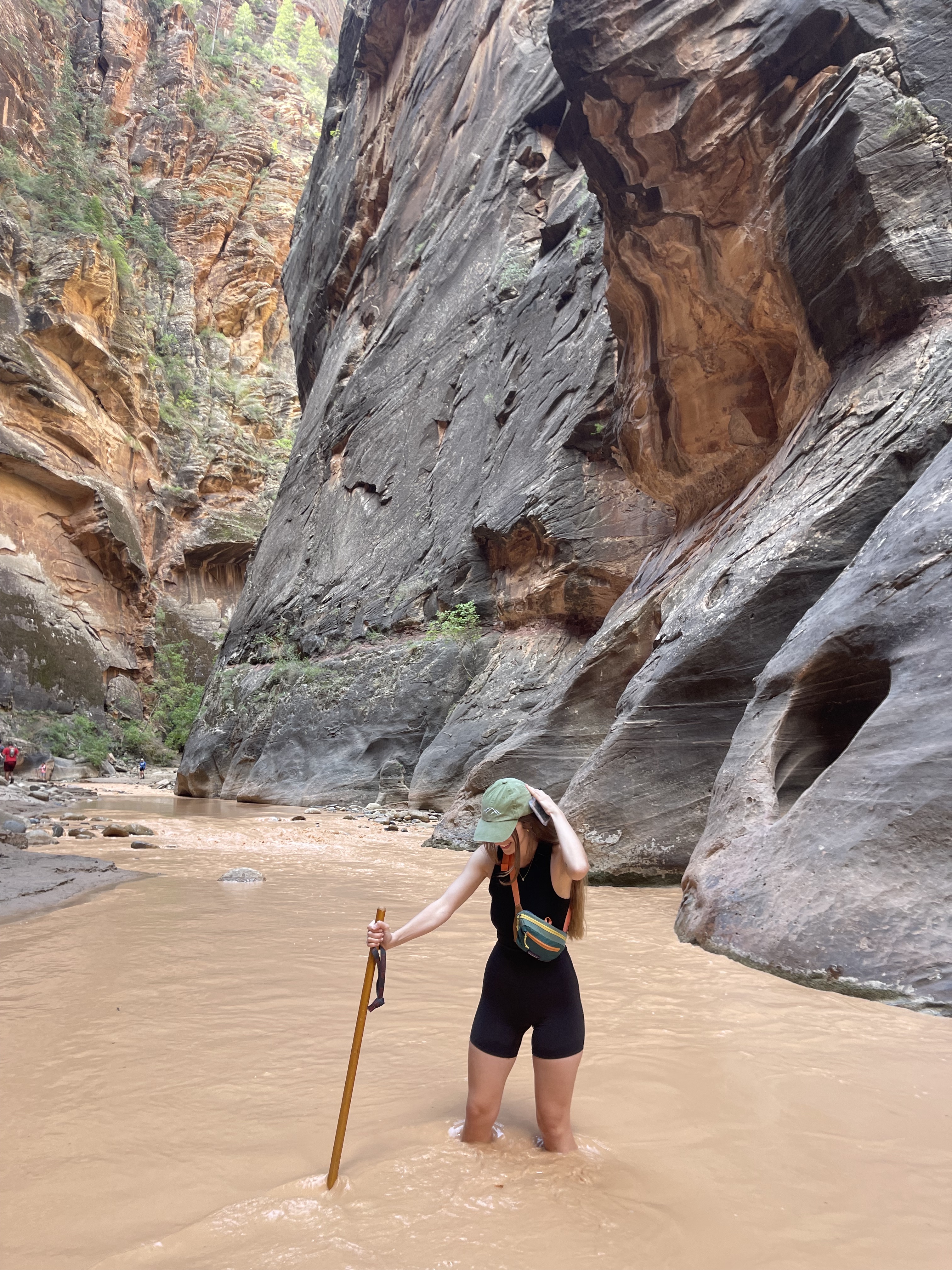
If you plan to hike the Narrows, I would highly recommend renting the gear which includes neoprene socks, boots, and a walking stick. In the summer months it’s about $32 to rent the gear for the day. We rented the gear from Zion Outfitters which is near the visitor’s center.
If you plan to hike to Observation Point, there’s a few things you’ll need to know. This hike used to be accessible through the East Rim Trail which started at the Weeping Rock shuttle stop. However, due to falling rocks a few years ago, the trail is closed until further notice. Luckily, there’s other ways to hike to Observation Point. We hiked to Observation Point via the East Mesa trail which is on the other side of the park, it’s actually outside of the entrance of Zion so you can hike it without even entering the park! The parking lot at East Mesa is very limited and the road to get there is rocky and rough. It’s advised that only cars with 4×4 drive should take a risk to access the parking lot. If that’s not possible for you, there is a shuttle that takes hikers which is accessible from Zion Ponderosa Resort. The shuttle is $7. Keep in mind, the shuttle takes you to the road above the parking lot not the trail head itself so you’ll have to walk a .5mi walk to the actual trailhead after being dropped off.
The heat at Zion, like many other parks in Utah during the summer, is extreme. We originally planned to car and tent camp but decided to find a lodge instead due to high temperatures even at night. Last minute, we found Gooseberry Lodges located in Apple Valley, UT which is about 45 minutes from the park. I can’t recommend Gooseberry enough! It was extremely comfortable and affordable.
Day One
We started our first day in the park, bright and early for a sunrise hike to Canyon Overlook. I always recommend starting hikes before sunrise while visiting any National Park, but especially if you’re planning to hike Canyon Overlook in Zion. The parking lot is very limited and this is one of the most popular hikes in Zion! It’s also one of the only hikes that does not require the shuttle to access. The parking lot is located right after you pass through the Mount Carmel tunnel and you have to walk across the street to begin the hike. This hike is a simple 1 mile hike and it provides one of the most stunning views in the park! We arrived to the top just before the sun rose and it was one of my favorite memories watching the sun come up over the canyon.
After our sunrise hike, we drove into the nearest town which is Springsdale, UT. We stopped by Deep Creek Coffee for some breakfast sandwiches and espresso which tasted so great after a hike!
Our next adventure involved hiking the Narrows! The Narrows hike is only accessible from the shuttle in the park during peak season. The hike begins at shuttle stop #9 which is called Temple of Sinawava. From the shuttle drop off, you have to walk a paved path (Riverside Walk) that’s at least a mile to get to the start of the Narrows. The Narrows is a popular hike within Zion National Park so be prepared for crowds, especially at the beginning of the hike. The beginning was the most populated but as you continue through, the crowds definitely thin out. We hiked a little past”Wall Street” and turned back which was about 6 miles total. The Narrows was an incredible hike and so unique, I’d highly recommend adding this to your Zion Itinerary.
Narrows Notes & Tips:
If you decide not to rent the gear, I would at least recommend buying or renting neoprene socks. The Narrows is a challenging hike for many reasons. One reason being the water temperature. Even with the summer heat, the water is typically cold and after spending hours in the water, your feet will be wet and cold!
You will get wet. The rented socks and boots do not prevent your feet from getting wet, but ensure your feet stay warm.
The walking stick provided with the rental is another pro of renting gear. Since there is so much traffic through the Narrows, the water when we went was a brown color and impossible to see through. The hike is entirely water and rocks so walking and balancing is challenging. The walking stick helped us navigate the rocky terrain.
Try and go during lunch hour. The park recommends waiting at least until noon to begin hiking the Narrows. That way, the sun will be above the Narrows and allow some sunlight in between the canyons. Otherwise, it may be a chilly hike since the water is already cold. If you decide to go early, wear layers if possible.
The park determines each morning if there is any flood risk and if the water is safe to hike through. It’s always a little unpredictable if you’ll be able to hike the Narrows so be prepared to be flexible.
Pack snacks! Similarly to any long hike, you’ll want plenty of snacks and water to have when you take breaks. This hike is particularly more challenging since it’s all through water. You’ll want to keep energy up!
There are restrooms when you arrive at the shuttle stop but no restrooms along the hike.
The water in the Narrows contains cyanobacteria, which means it’s not safe to consume the water or submerge your head beneath the water.
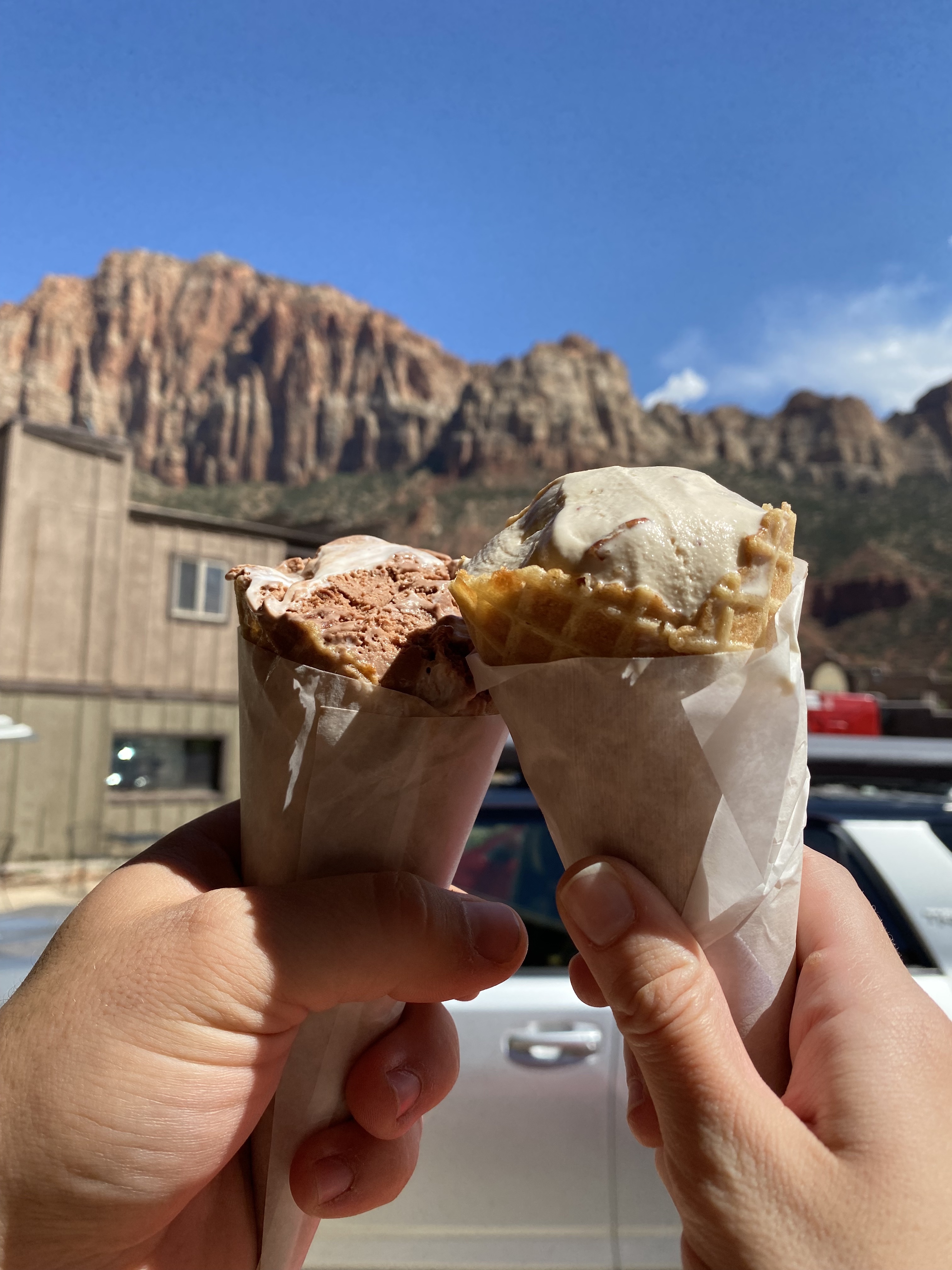
After a long day of hiking, we headed back into town and found ice cream before heading to camp. We originally planned to camp out at a free camp spot we found, however, due to extreme heat temperatures we decided to find a place to sleep with air conditioning. We booked a two night stay at Gooseberry Lodge and it was one of the best over night accommodations we experienced on our road trip! Gooseberry offers private small cabins with a kitchenette and outdoor area. These cabins are super affordable and perfect for a place to sleep after a long day of hiking. Gooseberry Lodges is located in Apple Valley, UT which is about 45 minutes from Zion National Park. Even though it was a drive to the park, we had so much fun exploring Apple Valley and experiencing another small town.
Day Two
During our second day in the park, our only plan was to hike to Observation Point. Many compare this hike’s view to the one you could have at the top of Angel’s Landing. Observation Point’s view is actually behind Angel’s landing so in my opinion, it’s an even grander view (plus much safer to the top!). This hike is about 6.7 miles round trip and not too challenging. The first half of the hike is through a forest like trail but the rest of the hike is pretty exposed so be prepared for strong heat if visiting during summer months. The view at Observation Point is stunning and definitely a must see while visiting Zion! We packed a lunch and spent hours at the top soaking in the view.
As I mentioned earlier, this hike is accessible a few different ways. We accessed the trail via East Mesa which is on the other side of the park. The road that leads to the trailhead is rocky and uneven and unless you have a 4×4 car, it’s not recommended you drive the road but instead take the shuttle which is located at Zion Ponderosa resort. Our vehicle was equipped for the road so we drove there ourselves. The parking lot is extremely small and there are several signs that state if you are unable to find a parking spot, you’ll have to drive back and take the shuttle so also keep that in mind. Luckily we found a parking spot but it was very limited.
After another long afternoon of hiking, we drove back into town and did some souvenir shopping. To end the night we drove along the Mt. Carmel highway which is the scenic drive offered in Zion National Park.
Observation PointThe NarrowsThe NarrowsIce cream stop in townFilm photo of Observation PointHiking through the NarrowsSunrise at Canyon OverlookDriving along Mt. Carmel highwayAt the top of Observation Point
Last summer Patrick and I had the opportunity to visit Arches National Park during our out west road trip. Arches National Park is located outside Moab, Utah. We only had about a day and a half in the park but we were able to experience some of the park’s highlights. Here’s my small guide to Arches National Park.
Things to know before visiting ANP
Timed Entry Reservation system: Currently ANP requires visitors to have a timed entry reservation pass throughout the months of April-October.
Timed entry tickets are required to enter the park between the hours of 7am- 4pm (MDT).
The timed entry reservations can be purchased on the ANP park’s website and they cost $2 per vehicle. Note, you’ll need a timed reservation pass for each day you plan to visit the park.
Exceptions for the timed entry reservations tickets:
If you have a reservation with a campground in the National Park, you can show your campground reservation in place of having a timed entry reservation and enter at any time as long as the dates of the campground reservation match the dates you want to enter the park.
You can enter the park before or after the allowed times! If you are unable to get a reservation, you can enter the park before 7am. However, keep in mind if you enter the park this way, once you leave the park you will not be allowed back in during the hours required for a timed entry ticket. Similarly, you may enter the park after required hours (i.e., after 4pm).
Fees: It costs $30 per vehicle to enter the park which covers the cost of 7 days. We bought the America the Beautiful pass which is $80 for the year and covers entrance fees for all National Parks. I would highly recommend this if you plan to visit multiple National Parks!
Camping: There is only one campground within Arches National Park, Devils Garden Campground. If this is a campground you’d like to stay in, I recommended booking as far in advance as possible.
Boondocking; If you’re traveling in a van or a car like us, there are several free camp spots surrounding the national park in Moab, Utah. We used Campendium to search free camp spots or areas to park and sleep with a small fee. Note, majority of these areas are first come first serve rather than reservation based.
Heat: The heat in this part of Utah and Arches National Park during the summer months is extreme. There were nights we couldn’t sleep in our car set up or tent. This is worth putting in some research especially if you plan to camp like we attempted to. Surprisingly the hotels in Moab weren’t too pricey and definitely worth booking to have a break from the heat. We booked a night at Scenic Views Inn and Suites Moab and it was incredible!
Area. Moab, UT is the closet town to the park. This is where you’ll find restaurants, hotels, and grocery shops.
Things to Do
Hike to Delicate Arch (park at delicate arch trail head) for sunrise. This was my absolute favorite thing we did while visiting Arches National Park. This arch is one of the most popular so it was well worth it to hike at sunrise and enjoy the views in peace before the crowds!
Drive to double arch trailhead and walk to see Double Arch.
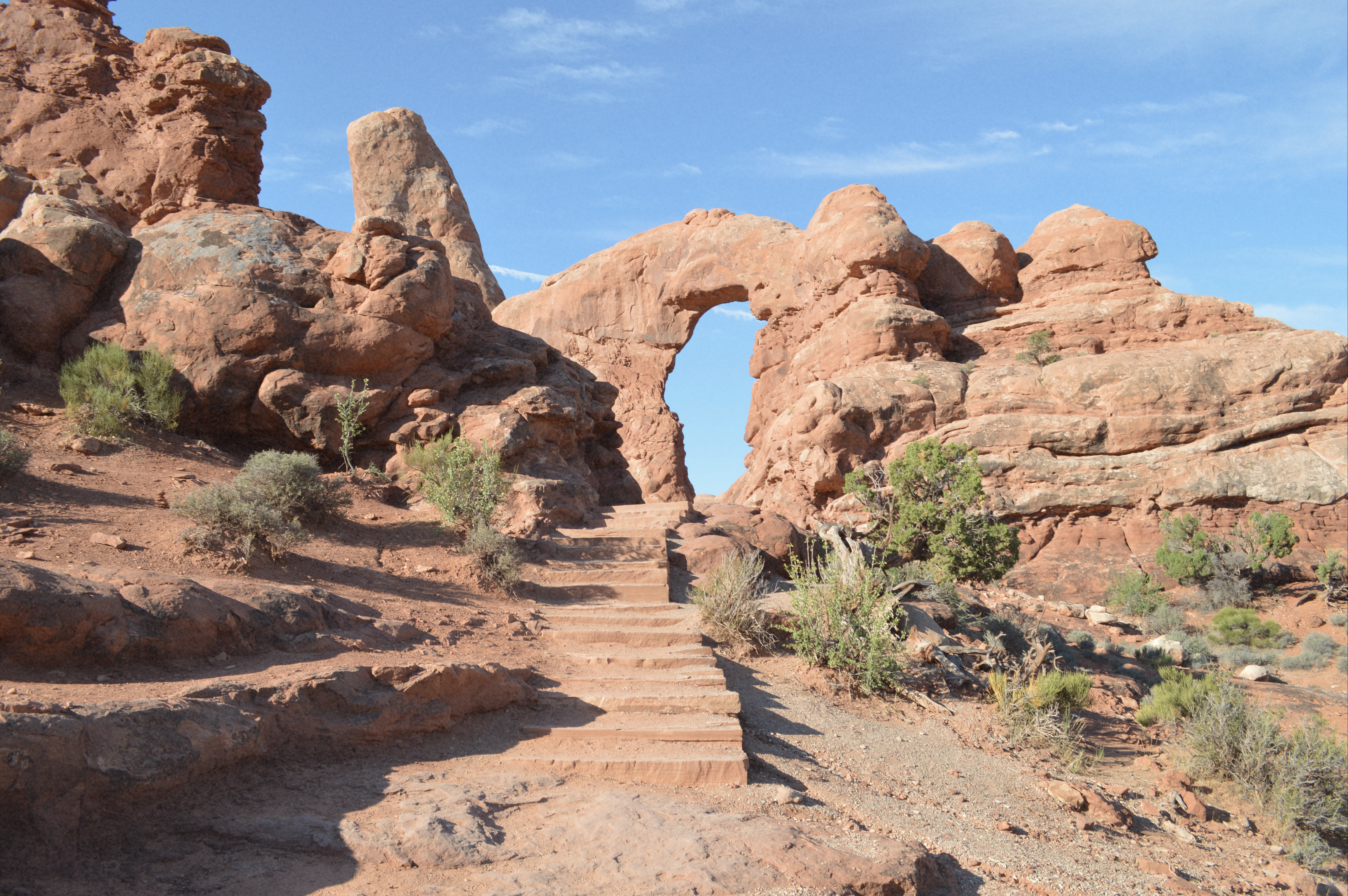
Continue walking the loop path to see North Window, South Window, and Turret Arch
Drive along scenic drive & stop to see various viewpoints:
petrified dunes
panorama point
fiery furnace/salt valley
Stop at visitor’s center
Take time to explore Park Avenue
My Tips
Start hikes in the dark to catch the sunrise and avoid crowds. We used head lights and our offline All Trails map while hiking in the early morning hours. Arches National Park is a very busy place so hiking early ensures some peace before crowds. We hiked to Delicate Arch before sunrise and it was our favorite experience while visiting the park.
Carry plenty of water. As I mentioned, Arches National Park can be extremely hot during the day if you’re visiting during the summer time. Be prepared to continuously hydrate! The visitor’s center has free water you can utilize to fill up water bottles.
Delicate Arch at sunriseEntrance to Arches NPDriving through Arches NPDouble ArchPit stop for a photoView of more ArchesHiking through Arches NPPark AvenueWalkway near Park Ave
This past summer my boyfriend, Patrick and I took our first big road trip out west. The first stop along our road trip was the beautiful, Colorado. We only spent a few days in Colorado and our main focus was the Rocky Mountains National Park. The park exceeded our expectations! We are dreaming of our next trip to RMMP! We had about two full days in the park which was a decent amount of time for a quick visit. I would recommend at least 3-4 days in the park to enjoy several activities and hikes. Throughout this guide I’ll be sharing our experience in the Rocky Mountains National Park.
Things to know before visiting RMNP 🌲
Timed Entry Reservation system: Currently RMNP requires visitors to have a timed entry reservation pass throughout the months of May-October. There are two types of timed entry reservations:
The Bear Lake Road Corridor [required during the hours of 5am-6pm (MDT)]. This pass will give you access to the entire park as well. I would recommend trying to get this pass to experience all parts of the park.
Park Access, No Bear Lake Road [required during the hours of 9am-3pm (MDT)]. This reservation allows access to the park but not the bear lake road area.
The timed entry reservations can be purchased on the RMNP park’s website and they cost $2 per vehicle. Note, you’ll need a timed reservation pass for each day you plan to visit the park.
Exceptions for the timed entry reservations tickets:
If you have a reservation with a campground in the National Park, you can show your campground reservation in place of having a timed entry reservation and enter at any time as long as the dates of the campground reservation match the dates you want to enter the park.
You can enter the park before or after the allowed times! If you are unable to get a reservation, you can enter the park before 5am/9am depending on the area you want to access. However, keep in mind if you enter the park this way, once you leave the park you will not be allowed back in during the hours required for a timed entry ticket. Similarly, you may enter the park after required hours (i.e., after 6pm or 3pm depending on the area).
Afternoon Thunderstorms: The RMNP is known for afternoon thunderstorms especially in the summer time. Keep this in mind when planning hikes and other day activities.
Elevation Change: The RMNP has a significant elevation range which can cause altitude sickness without proper time to allow your body to adjust. The only way to treat altitude sickness is to return to lower elevation.
Fees: It costs $25 per vehicle to enter the park which covers the cost of 7 days. We bought the America the Beautiful pass which is $80 for the year and covers entrance fees for all National Parks. I would highly recommend this if you plan to visit multiple National Parks!
Phone reception: Like many National Parks, there is no cell reception available within the park (including campgrounds!). Keep this in mind if you need to download directions to trails in advance.
Accommodations: If you plan to stay at a campground while visiting the park, book early! Campgrounds are available to book 6 months in advance and definitely fill up quickly. I imagine hotels/lodges in the area fill up just as quickly.
Area: Estes Park is the closet town/area to the RMNP. In Estes Park you’ll find restaurants, hotels/lodges, and grocery stores.
Things to Do in RMNP:
DAY ONE
Estes Park & Bear Lake Corridor
Overview:
Stop at Kind coffee, Estes Park before a full day of hiking
Spend the day at Bear lake trailhead:
Hike to Bear Lake
Hike to Nymph lake
Hike to Dream Lake
Hike to Emerald Lake (3.2mi one way)
Explore Estes Park
Check into campground, Glacier Basin
On our first day in the park, we drove in from Boulder, CO which was about an hour drive. Before going into the park we stopped in the park’s closest town, Estes Park. This town is definitely worth exploring either before or after a day in the park! I’d recommend stopping on the way into the park for a cup of coffee and a breakfast sandwich at Kind Coffee before starting a big day of hiking.
After some coffee and breakfast, we spent our first day in RMNP exploring the Bear Lake corridor area. This area features several hikes but we focused on the lake hikes that all connect: Bear Lake, Nymph Lake, Dream Lake, and Emerald Lake. If you hike all the way to Emerald Lake it’s about 3.2 miles. We were only able to hike to Dream Lake and back due to a rain storm that started coming in. And although we missed out on Emerald lake, this hike was still one of my favorites in the park!
After a full afternoon of hiking, we spent our evening exploring more of Estes Park. We then checked into our campground for the next couple nights, Glacier Basin campground. If you’re looking to book a campground, I highly recommend Glacier Basin, it’s great proximity to the park and clean.
DAY TWO
Trail Ridge Road & Mount Ida
The highlights:
Drive along Trail Ridge road and catch the sunrise
Hike Mount Ida (park in Milner pass parking lot) 9 mi roundtrip
We started our second day in RMNP bright and early (4am!) for a drive along the Trail Ridge road on our way to Milner Pass parking lot for a big hike. From this trial head we started our hike to Mount Ida. This hike is strenuous and long but the 360 views make it all worth it! I recommend starting as early as we did to beat any thunderstorms that may roll in during the afternoon hours. This hike was a total of 9mi round trip and took us about 6 hours. Keep in mind this trailhead is on the opposite side of the park, so plan for a lengthy drive. From our campground, we were about an hour away from the trailhead.
My Tips
Start hikes early!– Even with the timed reservation system, the RMNP is still very crowded! Starting hikes before 7am ensures the trail to yourself or with only a few others. You’re also more likely to see some amazing wildlife.
Carry bear spray!– As a precaution it’s always best to be prepared in case you encounter an aggressive bear.
Wear layers– we visited RMNP in August and the mornings and evenings were cold but by the afternoon the sun was strong.
Plan in advance– if possible, start planning your trip to RMNP (or any national park) well in advance (6+ months) to ensure you can reserve an overnight accommodation.
Leave no trace– only leave footprints and only take photos + memories!
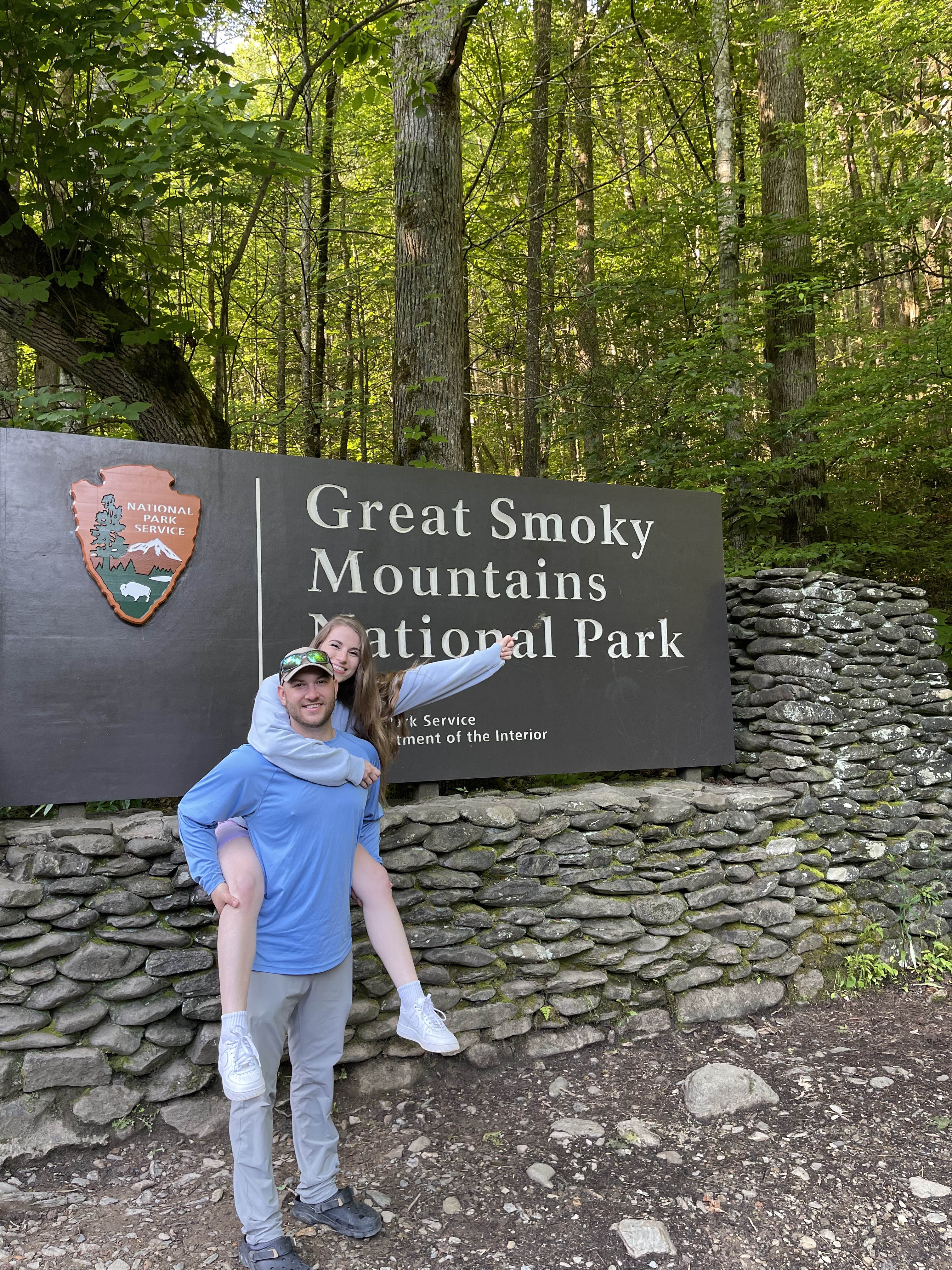
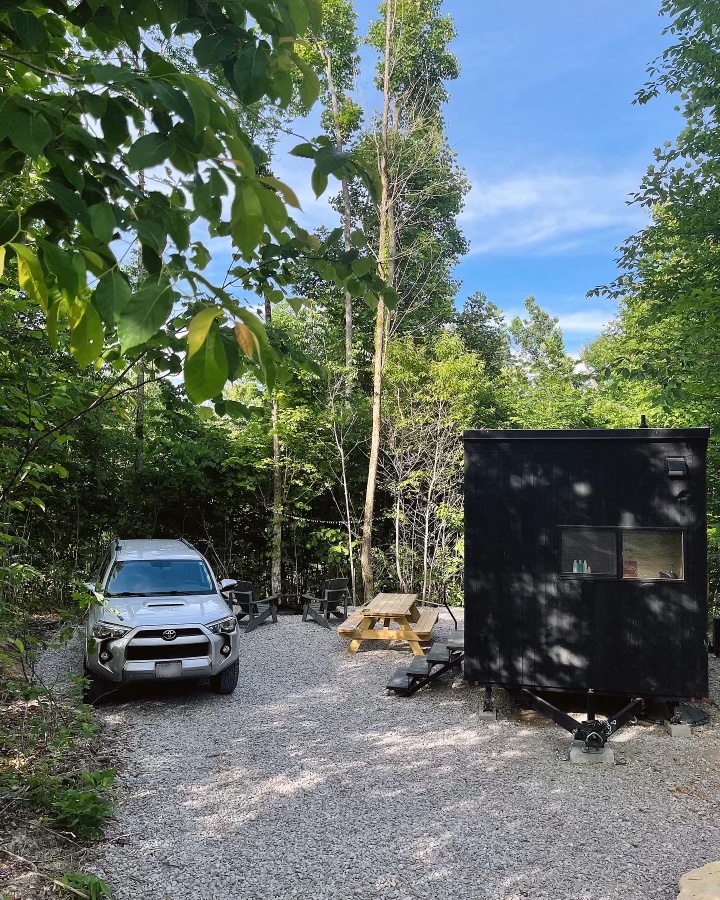
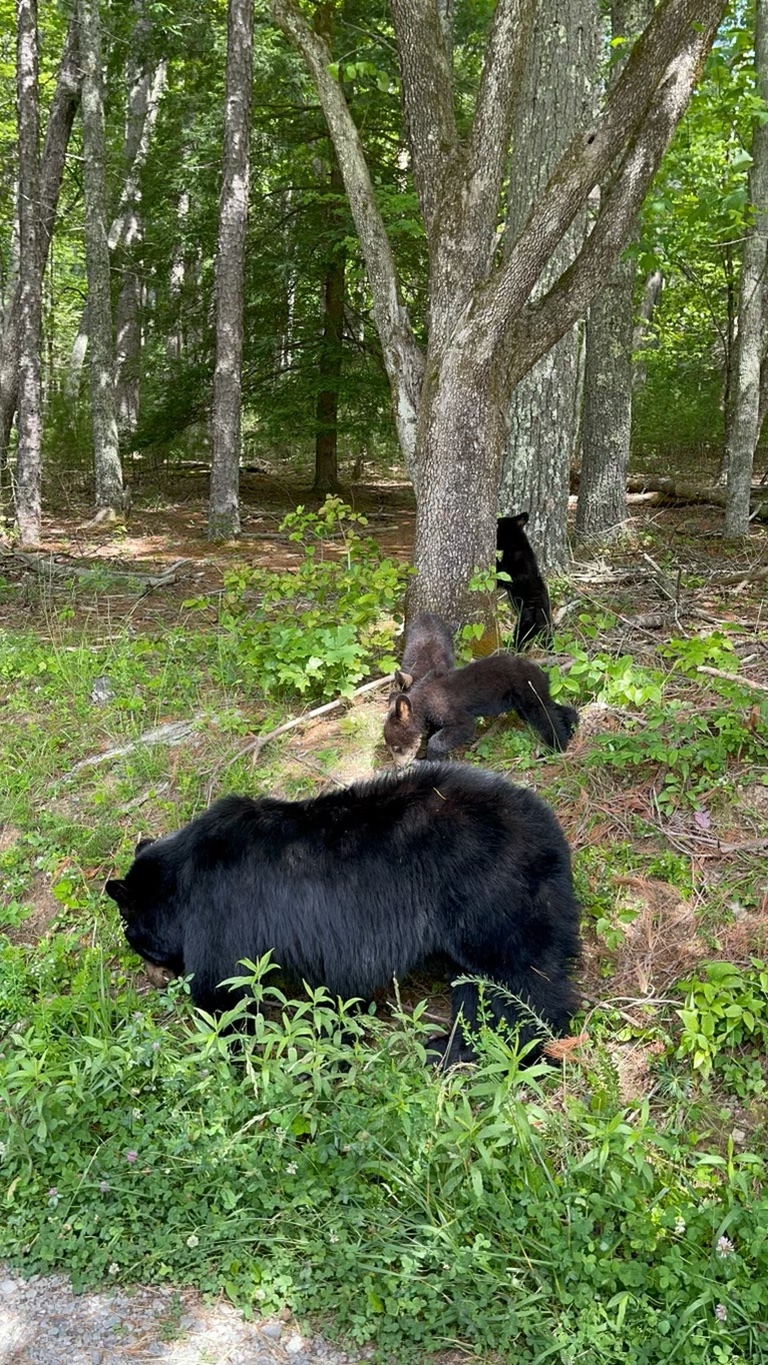
Earlier this summer I took my first trip to the heart of Tennessee, the Great Smoky Mountains! Patrick and I decided to stay in another getaway house because we enjoyed our experience in the Ohio location so much. The tiny cabin was just as comfortable and welcoming and about a three hour drive from the smoky mountains. Maybe we were a little ambitious to stay in a cabin so far from our main destination but we wanted to take in as much of Tennessee as possible. Our trip consisted of taking a day trip to Nashville, spending time hiking in the smoky mountains and traveling home through Asheville, North Carolina. Out of all the places we visited, our day trip to the Great Smoky Mountains was hands down our favorite.
There is so much to see and do in the smoky mountains, I wish I would’ve had more time to explore and soak in the beauty of this national park. But, if you only have time for a day trip like us, there is a lot you can accomplish! We left early in the morning because we knew we wanted to tackle a lot with the time we had. We were determined to see Cades Cove and also experience a hike in the smokies.
To Do:
Cades Cove Loop
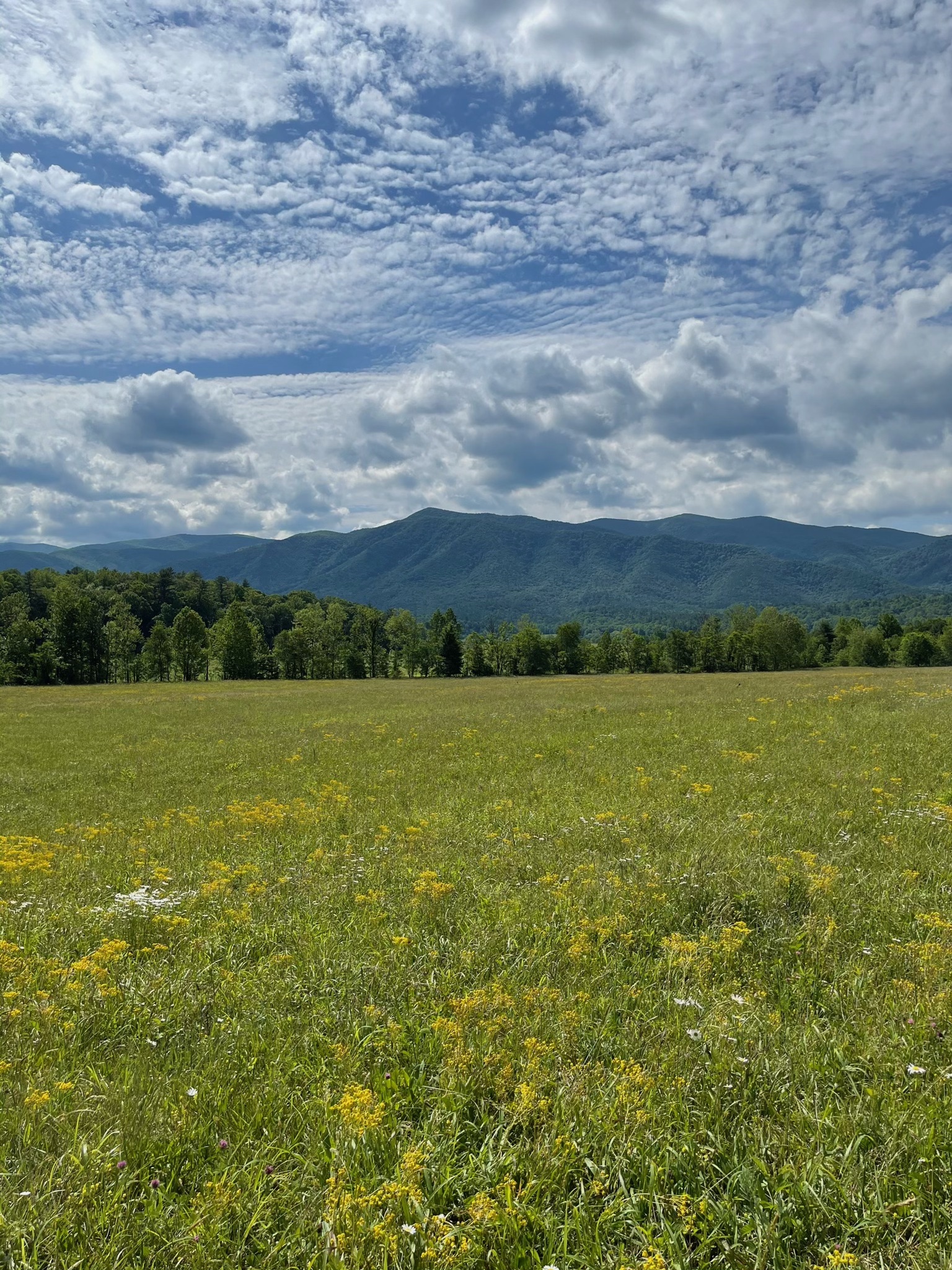
One of my favorite spots to visit in the smoky mountains! We started our morning here and it was the most beautiful way to be introduced to the mountains. I would suggest arriving on the earlier side because it does get crowded. Cades Cove is an eleven mile loop that is full of incredible scenery. Along the way, you can pull off to the side with your car to stop and walk around, take pictures, and enjoy the breath taking views. *Cades Cove is open daily for cars but is reserved for pedestrians and bikers on Wednesdays until 10am *
We originally intended on hiking Abram Falls which is located off the Cades Cove loop, but it was closed due to trail construction. Be sure to check before making plans!
Rainbow Falls
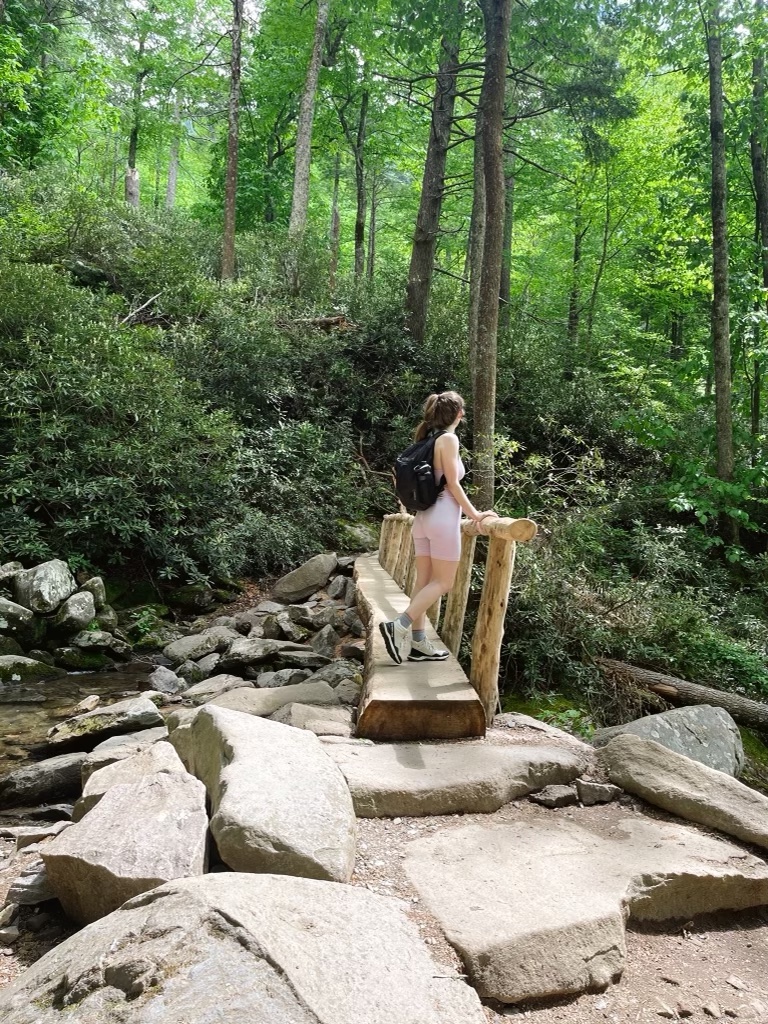
Rainbow Falls was our spontaneous back up hike plan when we realized we could not hike Abram Falls, and it was a stunning hike! Located near Gatlinburg, this hike exceed our expectations and provided us with a new experience of what it’s like to hike within the smoky mountains. It’s an ideal hike if you don’t have enough time for a longer hike and it has plenty of stunning outlooks and several waterfalls along the way. Rainbow Falls is described as strenuous, and a total of about 5 miles roundtrip. The hike definitely feels longer than 2.5 miles one way, and that could be because it’s mostly uphill and paved with uneven and rocky surfaces–something to be aware of! I would highly recommend if you’re looking for a stunning hike that will take a few hours.
Clingman’s Dome
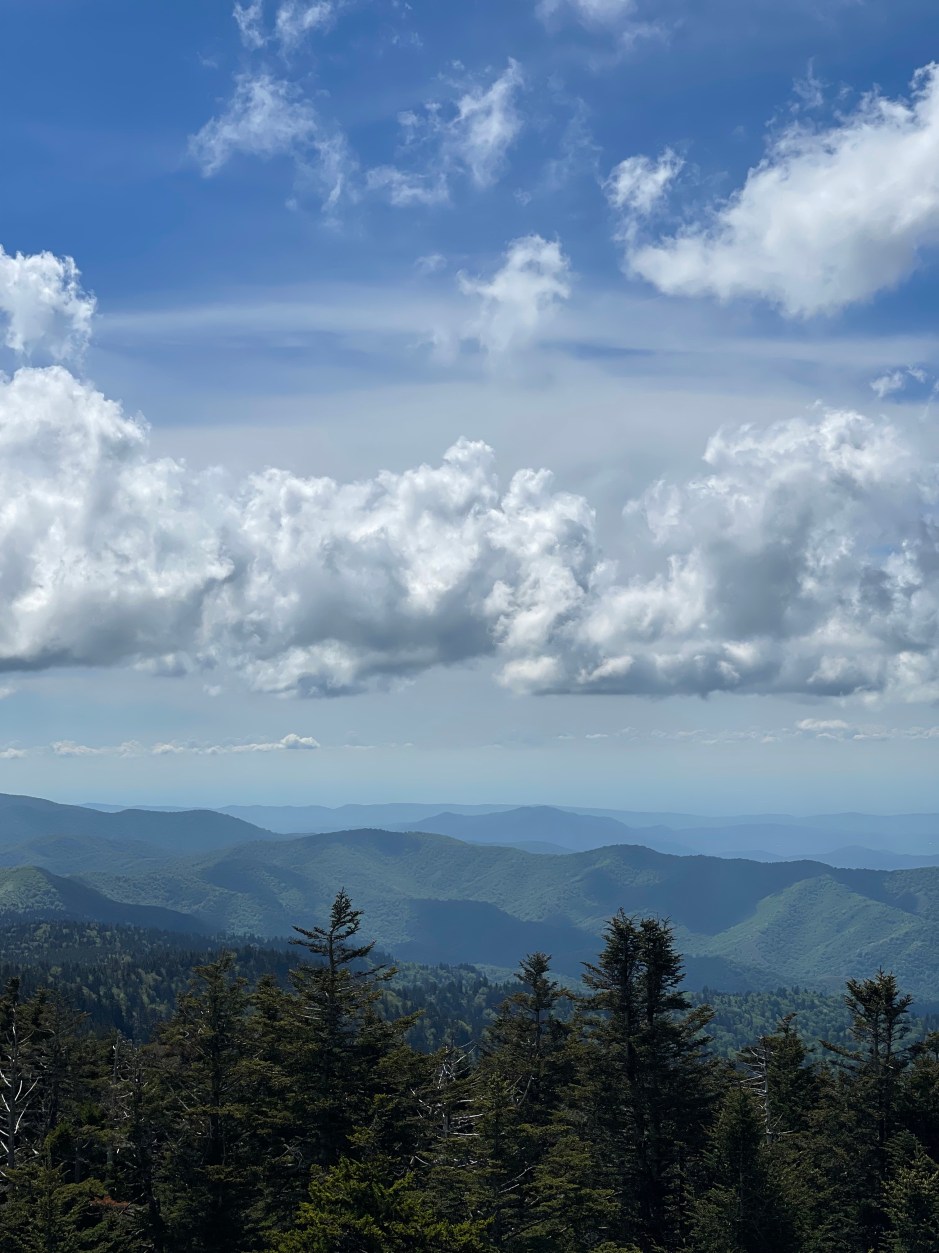
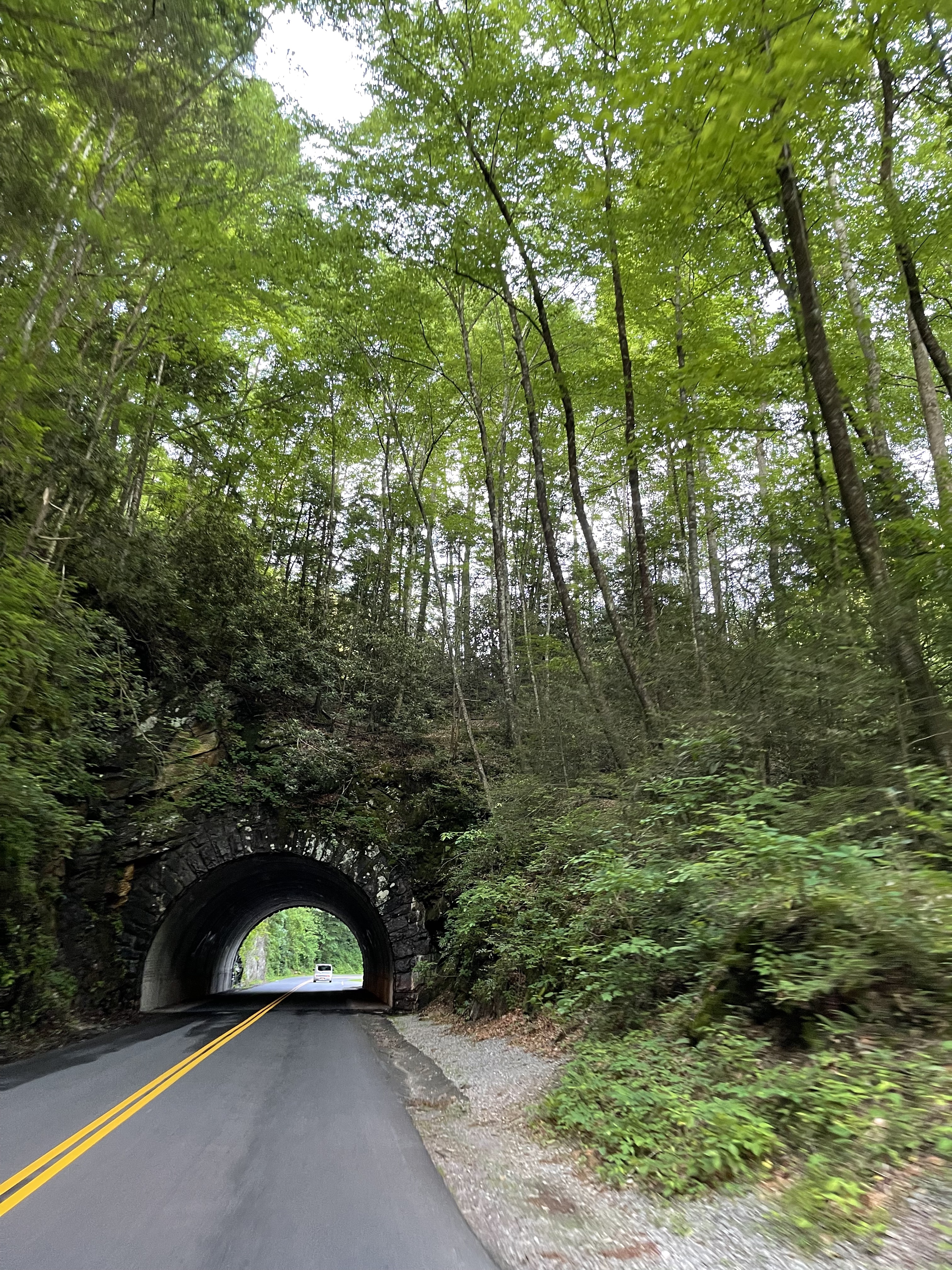
We visited Clingman’s Dome on our way out of town a few days later than our day trip but if you’re staying in the smoky mountains, visiting Clingman’s Dome is a must see. Only a mile trail to the top of the dome provides you with the highest view point in the National Park. The drive to Clingman’s is equally as beautiful, and there are multiple stop points along the way to pull over and take some pictures.
My tips:
Have a map– there is little to zero cell service within the smoky mountains and a map is helpful to orient yourself especially if plans need to be readjusted.
Look up trail updates-going off of the above tip, look up updates for trails you plan to hike ahead of time. I didn’t think to do this about Abram falls and we had to find a new trail to hike.
Take advantage of visitor centers-this is where you’ll find some of the only locations with actual toilets that flush!
Research– especially if your time is limited, make sure you are aware of the level of difficulties for hikes and what will work well in your time frame.
















 skylarbeck.com