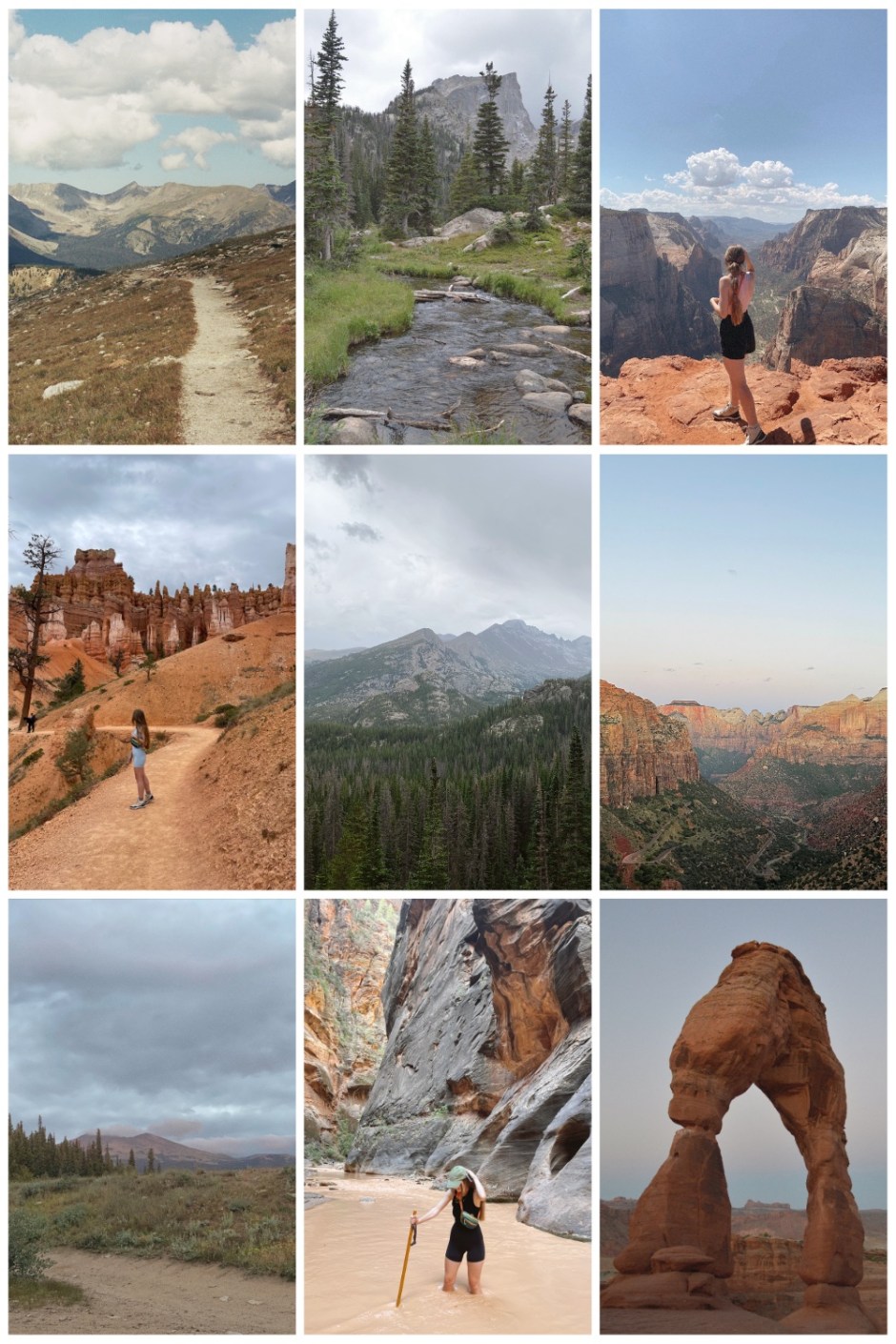
Tips on How to Plan a Trip

Planning a trip can be overwhelming and stressful at times, especially larger trips. The planning process can take time depending on where you’re planning to go. I always recommended planning early if possible to relieve stress and give yourself plenty of time to make reservations and develop a plan for your trip. If planning in advance isn’t a strength of yours, I’m hoping this guide gives you some ideas to make it a little less stressful!

Where to Start When Planning a Trip

πŸ“Pick your desired destination, the fun part! Sometimes this is easy but if you aren’t sure where you’d like to go, consider what types of activities you’d like to do, if you’d rather relax or adventure, and how far you’re willing to fly or drive to reach your destination.

⏰ Determine timeframe. I like to start the planning process with a general idea of when I’ll be going on a trip. This may be depend on the area you’re visiting and whether there’s a better time to visit or it may be based on your availability. I usually gravitate towards traveling in the summer or fall months, the weather is usually better and there’s more opportunity for activities.

🚐 Decide whether driving or flying makes the most sense. Driving can take more time but it saves you the hassle of having to find a rental car or other means of transportation at your destination. Plus, there’s no limit to what you can bring, if you’re an over packer like me!

🎟 If you have/want to fly, I’d book flight tickets pretty soon after deciding on dates. Similarly, if you decide to drive, plan out any reservations you’ll need for accommodations or tickets needed for various activities.

How to Develop an Itinerary

  • Once you have a general timeframe decided, know where you’ll be going, and choosen whether to drive or fly, it’s time to start forming an itinerary.
  • I typically create my itineraries in Notion but any word doc, excel sheet, or even hand written will work fine!
  • An itinerary can be as detailed as you want it to be! If you feel more confident with a detailed plan of activities and sites to see while on a trip, a list of several things may be better for you. Or, if you’d rather go with the flow on your trip but still resort to a list of ideas of what to do some days, a lighter itinerary may work better. Reflect and be realistic with what will work for you! It is vacation after all so nothing with an itinerary has to be set in stone, it’s really just to have something to guide you, especially if it’s a new destination you’ll be visiting.
  • I like to list out all the days I know I’ll be on a trip and include:
    • Where we are sleeping that day
    • Any “must sees” if it’s a specific area
    • How much drive time is required between sites
    • Resturants to try
    • A collection of hikes, sites, or other attractions I want to visit that given day
  • On the itinerary, I also include reminders for myself if I need to reserve tickets for an activity or if I should check the weather before committing to a particular activity on a given day, etc.

How to Find Things to Do

  • I usually always start by browsing on Pinterest to find blog posts or other online sources that others have shared from visiting the area. I love hearing about other’s experiences and gaining a visual of what the area I’ll be visiting looks like. It really inspires me and excites me while planning a trip!
  • Social media will be your friend. Similarly to Pinterest, I’ll browse instagram, youtube or TikTok to gain video sources of what others did in the area I’ll be visiting to give me ideas.
  • I also recommend making a list of what you find through research. This will help you keep organized on things you’d like to do and see throughout your trip and then add to the itinerary later.

Tips

  • Be flexible with plans! Things can change so easily while traveling so even with an itinerary, it’s important to have an expectation that things may not go according to plan and that’s ok! Whenever I’ve gone on a larger trip, there are always changes to plans that happen just depending on weather, crowds, fatigue, etc. In my experience, because I had a list of so many places and activities I wanted to see for a trip, I would sometimes switch days or plans around if needed while on the trip which worked so well and gave me alternate ideas if I needed to be flexible.
  • I always recommended planning at least 3-6 months in advance, more for ease of mind that things are booked and there’s a plan in place.
  • Start a check list of packing necessities you’ll need to bring, especially if it’s a big trip. This is so helpful to ensure you don’t forget anything!
  • If you’re a visual person, I’d recommend adding photos of certain spots you’re excited to see on the trip to your itinerary or planner. I do this and it always helps to see what I’lll be doing and makes me even more excited for the trip to come!

Welcoming Spring

It’s hard to believe it’s already spring! I love the start of any new season, but something about spring is so refreshing. It’s so inspiring to see longer days with sunlight, birds chirping in the morning, flowers and trees blooming, and the end of colder days. This spring season, I’m focusing on ways to add color and crafts into my spaces. I want to share some inspiring photos that I’ve captured so far to welcome the spring season and my spring bucket list I’ll be working on.

Spring Bucket List πŸŒΈπŸ’›πŸŒΏβ˜”οΈπŸ‡

  • have a picnic
  • go on a weekend trip 🚐
  • spring clean my home
  • host friends over for dinner
  • go on a new hike in the area πŸ₯Ύ
  • incorporate more color into my wardrobe and home spaces 🌸
  • visit the farmer’s market 🧺
  • paint or color eggs for easter
  • spring simmer pot 🍊
  • DIY a spring wreath

Spring simmer pot recipe:

  • add water to a pot or dutch oven
  • cut and add 1 thinly sliced lemon
  • cut and add 1 thinly sliced grape fruit
  • 2-3 flower heads
  • lavender or rosemary garnish
  • splash of vanilla extract
  • bring pot to a boil and lower to simmer for 30+ minutes

Wishing you all a happy start to the spring season! x

spring simmer pot
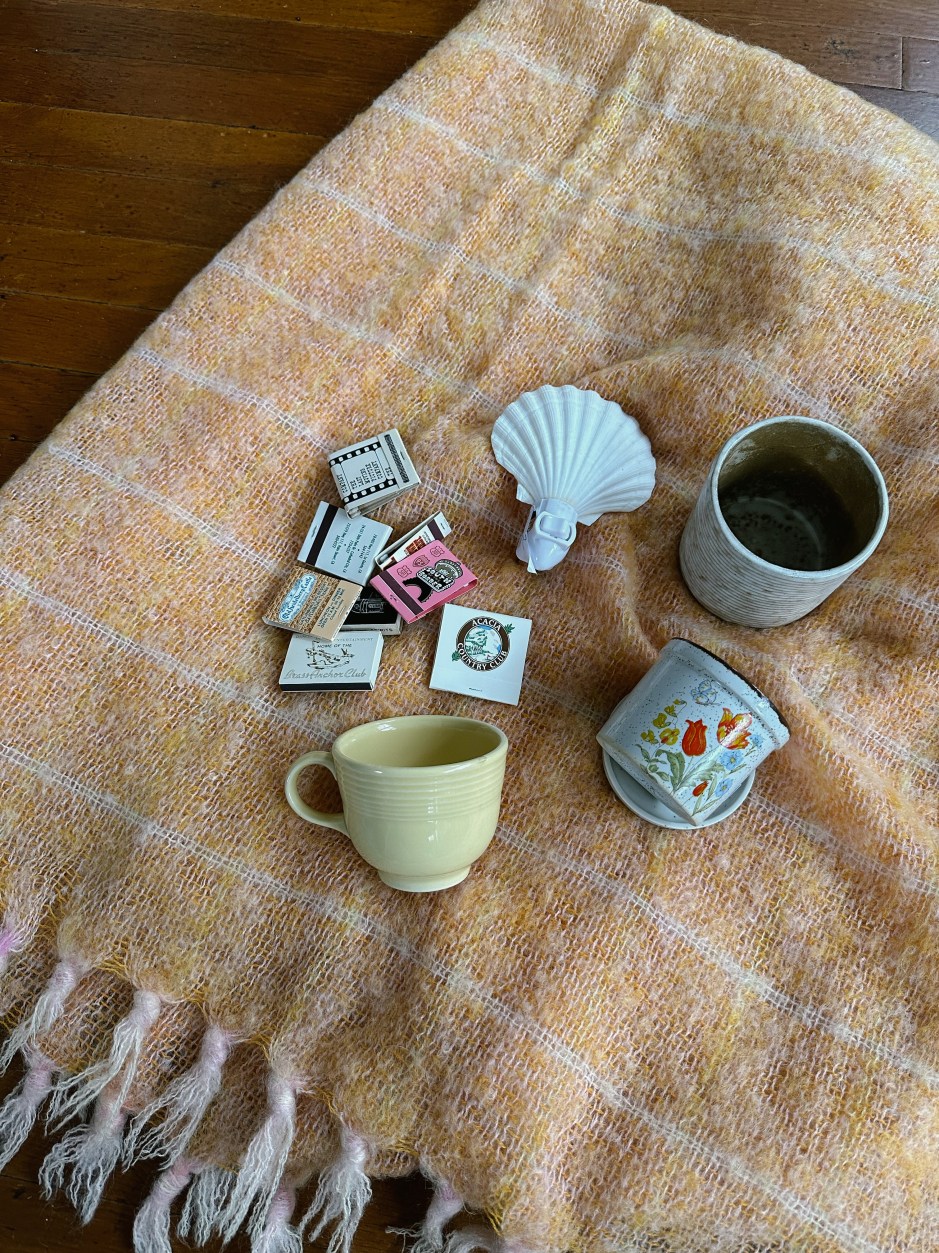
recent thrift finds, so much color!
painted eggs for easter
morning scenes
colorful jacket to embrace a new season
DIY spring garden wreath
simmer pot prep
spring books for the coffee table
painted taper candles
fresh flowers

Changes Within the US National Parks You Need to Know Before Planning a Trip

Throughout the last few years, the national park system has changed the way visitors can access certain areas within the parks during peak seasons. Certain parks now require reservations for specific areas to limit crowds and enhance visitor’s overall experience. As of this year, there are 9 national parks that require some type of reservation when visiting.
If you’ve read other national park posts I’ve written, you know I’m frequently recommending planning at least 6+ months in advance, especially for popular parks. While I know this isn’t always possible or convenient, due to the changes with national parks, planning in advance is almost essential if you want to fully access and experience the parks as it’s not possible to purchase these reservations upon entering the park, they must be reserved in advance..

Types of Reservations that may be Required

  • Timed Entry Reservation. This kind of reservation requires visitors to reserve a ticket for a time period (ex. 6am-4pm). These kind of reservations may give you access to one section of the park, the entirety of the park, a road within the park, etc, depending on the park. If you aren’t able to access a timed entry reservation (if you’re planning a last minute visit) there are ways around this. If the time slot is 6am-4pm, that means if you enter the park BEFORE 6am, you’ll be able to get in. However, if you leave the park at any point before 4pm, you won’t be able to get back in until after 4pm. Similarly, you could access the park after 4pm.
  • Vehicle Reservation. This kind of reservation may be for a specific area in the park. For example, in Acadia National park, you need a vehicle reservation to drive up to Cadillac mountain.
  • Hiking Permit. This kind of reservation is necessary if you want to hike a particular trail in the park that requires a permit. For example, Old Rag trail in Shenandoah national park now requires a permit to access.

Parks that Require Reservations

*As of December 2023*

  • Acadia National Park, Maine– requires a vehicle reservation to access Cadillac mountain if visiting between May-October. This reservation costs $6 and can be purchased on the park’s website.
  • Arches National Park, Utah– requires a timed entry reservation (7am-4pm) between April-October. This reservation costs $2 per vehicle. Learn more on the park’s website.
  • Glacier National Park, Montana– requires a vehicle reservation (6am-3pm).
    • Due to Glacier’s popularity, the park has split the major areas of the park into three sections that ALL require reservations if you plan to visit. All sections require a reservation between the hours of 6am-3pm during the months of May-October. The sections within the park that all need a reservation include:
    • Going to the sun Road
    • North Fork
    • Many Glacier
  • Haleakala National Park, Hawaii– requires a vehicle reservation (3am-7am) that costs $1 per vehicle to watch the sun rise above the clouds at Haleakala Summit. Learn more on the park’s website.
  • Rocky Mountain National Park, Colorado-requires a timed entry ticket from May through October. RMNP has split the timed entry tickets into two sections:
    • Bear Lake corridor, timed entry reservation required to access the bear lake trails + access to the rest of the park, costs $2. Timed entry from 5am-6pm.
    • Rest of the park, timed entry reservation for the Rocky Mountains national park, excluding the bear lake trails, costs $2. Timed entry from 9am-2pm.
  • Shenandoah National Park, Virginia– requires a day use hiking permit if you desire to hike ‘Old Rag trail’ which is one the most popular trails in the park. Reservation required from March-November and costs $1 (each person is required to have a ticket). Learn more on the park’s website.
  • Yosemite National Park, California– requires a timed entry ticket to access areas in the park and a hiking permit for the Half Dome trail. The park has different types of reservations if you plan to visit this year:
    • Horsetail Fall reservation– ticketed entry during the months of February on the weekends of February 10–11, February 17–19, and February 25–26, 2024. Note, this reservation is only required if you plan to visit on the listed days in February. This is a big attraction during the month of February in the park, so the reservations are listed for the weekends. This reservation costs $2 and is per vehicle. Purchase tickets on the park’s website.
    • Peak Hour Plus reservation– timed entry ticket valid to enter the park from 5am-4pm and good for 3 conservative days! This reservation is required during the months of April-October. It’s $2 and per vehicle. Purchase tickets on the park’s website.
    • Half Dome hiking permit– this popular trail now requires a permit to hike as an attempt to reduce crowds. Learn more about how to obtain a permit through the park’s lottery system here.
  • Zion National Park, Utah– requires hiking permits for Angel’s Landing, Subway, and the Narrows from top-down.
    • Angel’s Landing– the park now requires a permit to hike the entirety of this trail (without a permit you can hike all the way to “scout lookout”). Similarly to Yosemite, permits are selected by a lottery system. It costs $6 to apply and if selected it’s $3 per person to hike this trail. Learn more on the park’s website.
    • The Subway- this hike requires a permit if you plan to hike it between the months of April-October and is selected through a lottery system as well. Learn more here.
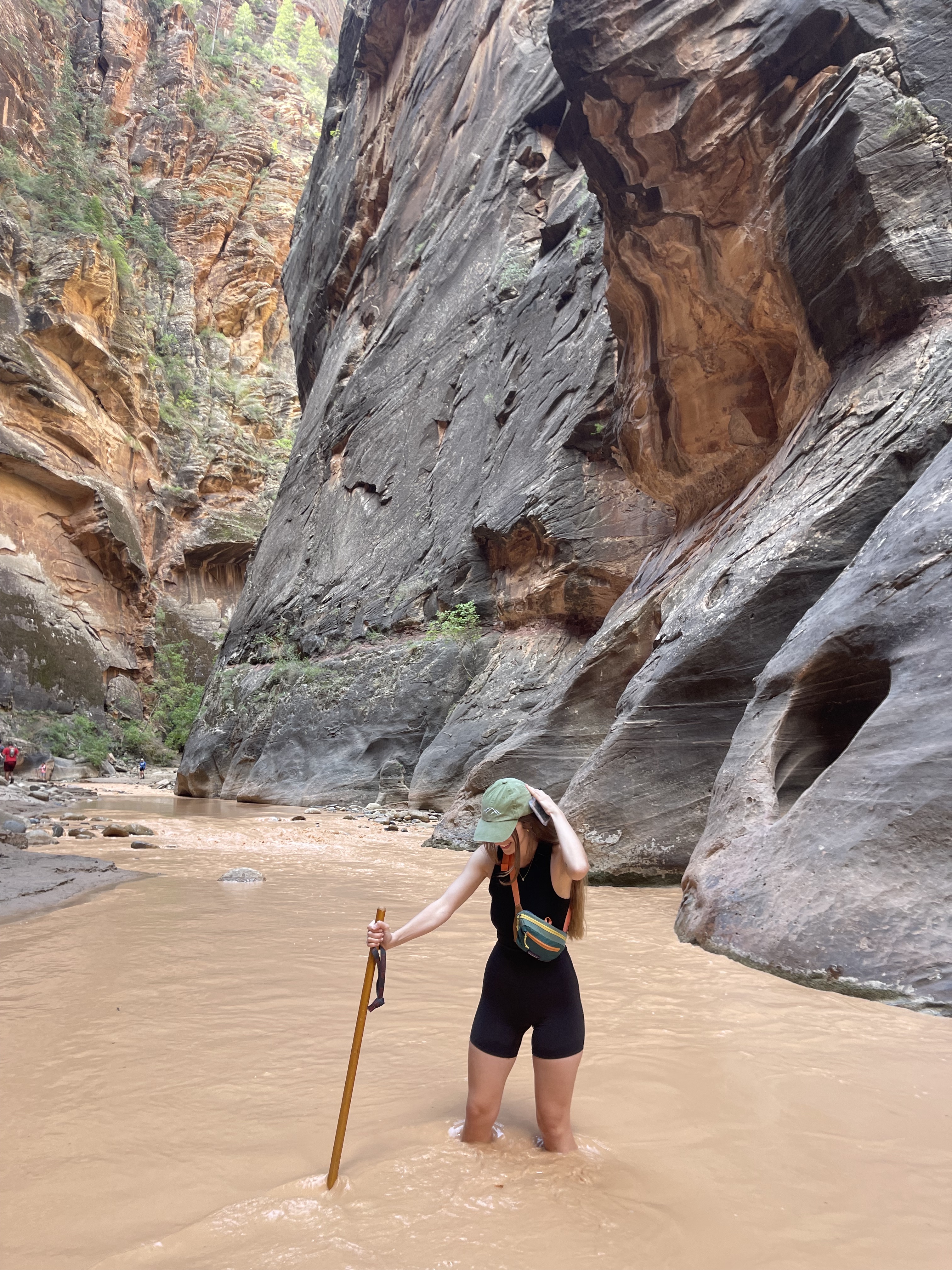
    • The Narrows from top down– the narrows is one of the most incredible hiking experiences within the park! Many visitors hike this from the bottom up (I did!) but if you wish to hike the trail from the top down (16miles total), you’ll need a wilderness permit. Learn more here.
  • Muir Woods, California– requires a parking reservation to access this national monument. Learn more here.

Tips & Things to Know

  • Book the reservations as soon as you are able. On the park’s websites, there will be a time when you are able to book. Some parks allow you to book a couple months in advance, and if you miss out, they reopen more reservations 1-2 days before your visit for additional chance. It can definitely be stressful so I recommend logging on to purchase tickets as soon as the window opens (for example, most tickets become available on the park’s website at 10am).
  • Usually if you book a reservation for a campground within the park, the park counts this as your reservation for timed entry or vehicle reservations, depending on the park. Be sure to check exceptions to purchasing reservation tickets if you have a campground booked in the park.
  • If you can’t purchase timed entry tickets, find ways to experience the park outside of the timed restrictions (i.e., if timed entry reservations start at 6am, enter the park before then).
  • Do some research to determine which areas, activities, and hikes you may want to do that require reservations.

How to Romanticize the Winter Season

Now that the holidays have passed and the new year has begun, slow season is upon us. This time of year can be hard with winter in full swing, shorter and darker days, cold temperatures, and not many breaks or holidays to look forward to.

During the last few years, since working full time especially, I have found one way to make this season a little easier is to romanticize it! Romanticizing to me, is making something more beautiful or highlighting the beauty in our daily life, even the mundane moments.

I’ve been reading The Little Book of Hygge, Danish Secrets to Happy Living by Meik Wiking. It focuses on the presence of Hygge, the danish term for essentially homey or coziness. Throughout the book, Wiking focuses on how danish people thrive in the winter season and slower months because of the concept and feeling of hygge. It further inspired me to incorporate hygge into my life throughout this new season and embrace the winter instead of dread it.

Some ways I’ll be incorporating coziness and romanticizing my life this winter:

  • Candles– helps with the darker nights and creates a warm inviting space
  • Lots of cozy layers– blankets, pillows, etc on the couch and bedroom
  • Books– reading a new book, cozying up on the couch after a long day
  • Making fun meals– I love making fun breakfasts or dinners during the week to have something different and “weekend like” to look forward to
  • Plan fun winter activities– walks in the snow, making a new soup, building a snowman, ice skating etc.
  • Plan a trip– a winter trip is one of my favorites! and it brings that feeling of something to look forward to
  • Incorporate seasonal elements– bring in cool tones (whites, cool neutrals) into the home and small valentines day touches can make the home feel in line with the seasons
  • Create a winter bucket list– creating a list of things to embrace in the winter and work towards can make the season more fun
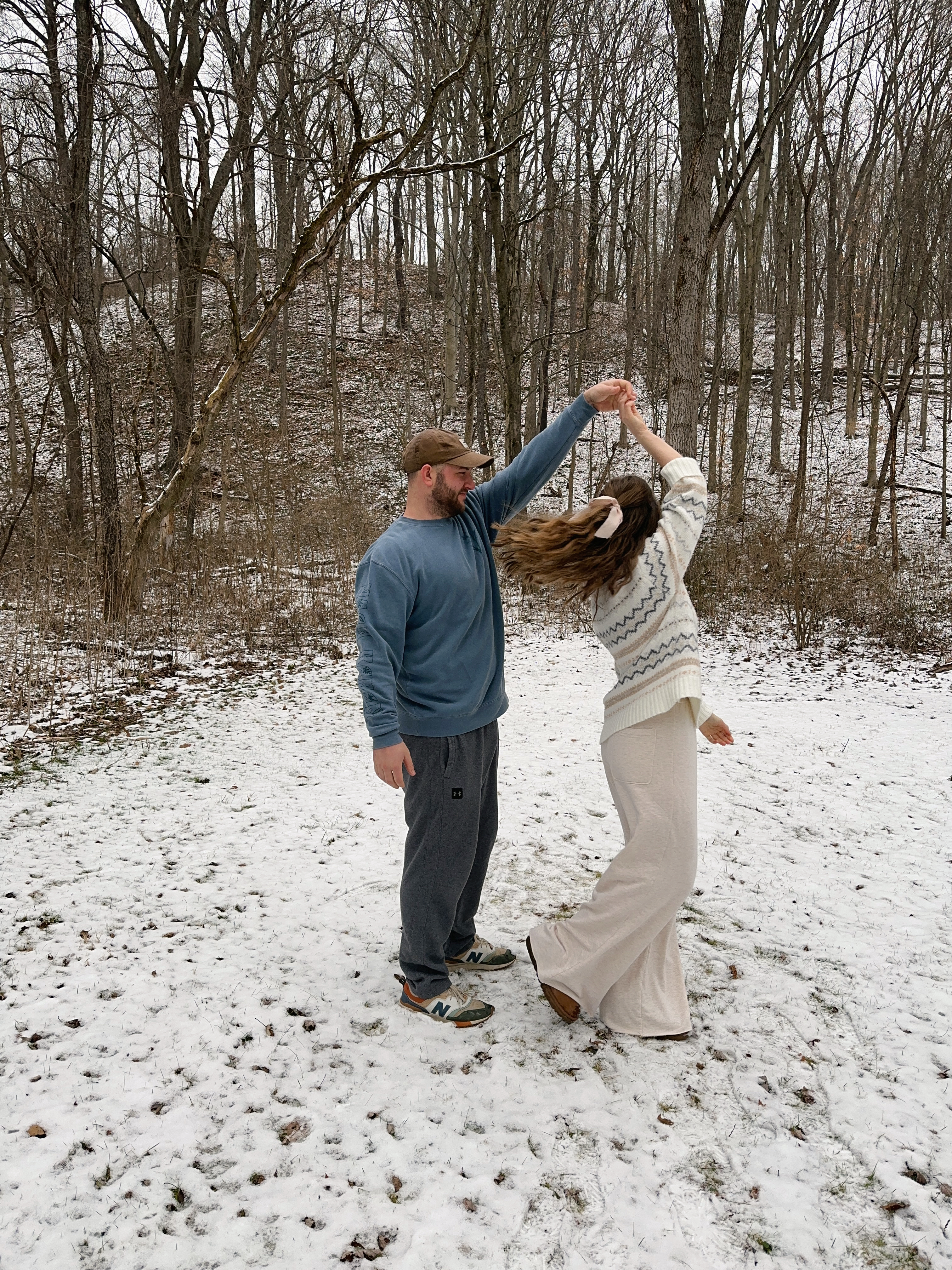
  • Spend time in the snow– you either love or hate the snow but it’s definitely something to try and embrace during the season (especially if you live in a place that snows often).
  • Cherishing time indoors– this season is all about staying warm, and cultivating a space inside that brings joy and comfort

One of my favorite parts about romanticizing a season or time of life is that it usually doesn’t require material things or an excessive amount of effort. We can romanticize our lives and seasons with what we already have and what we already do. Challenging our mindset about a particular season or time of life is the biggest way to shift how we feel. Cheers to embracing a new season and the start of 2024!

Embracing the outdoors even in the snow
Spending time in the snow
Building a snowman
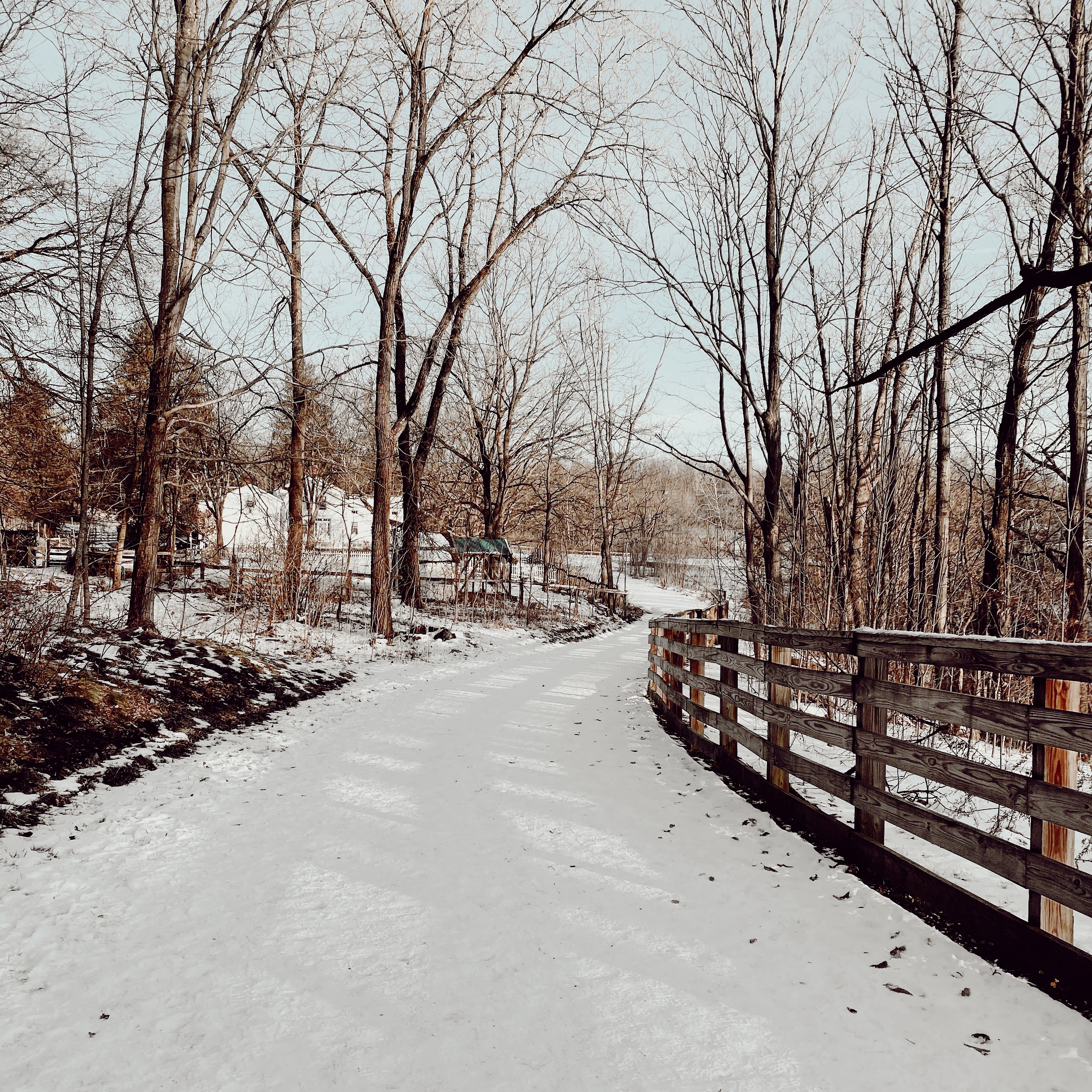
Winter walks
Car picnics
Winter trips
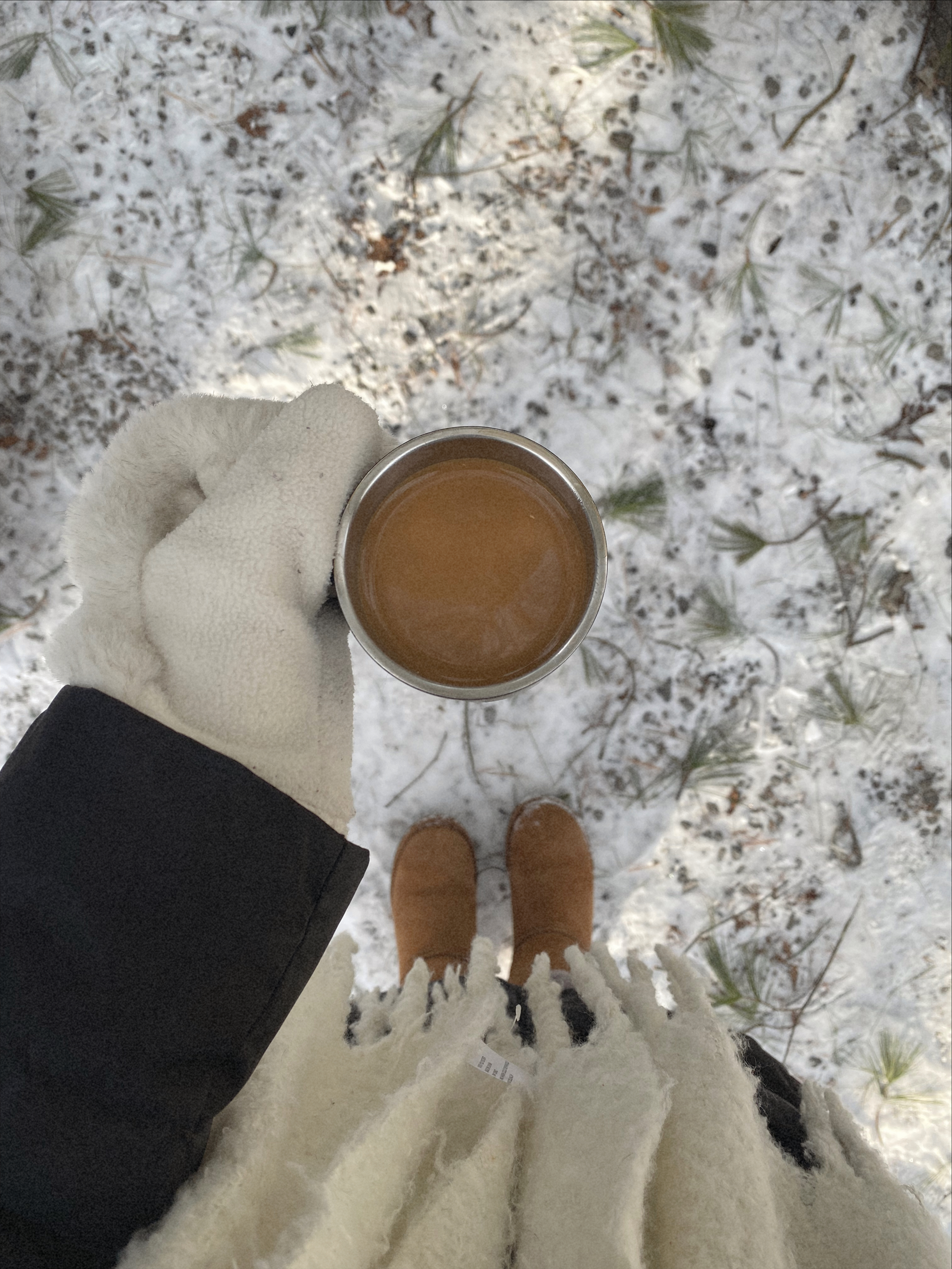
Warm drinks
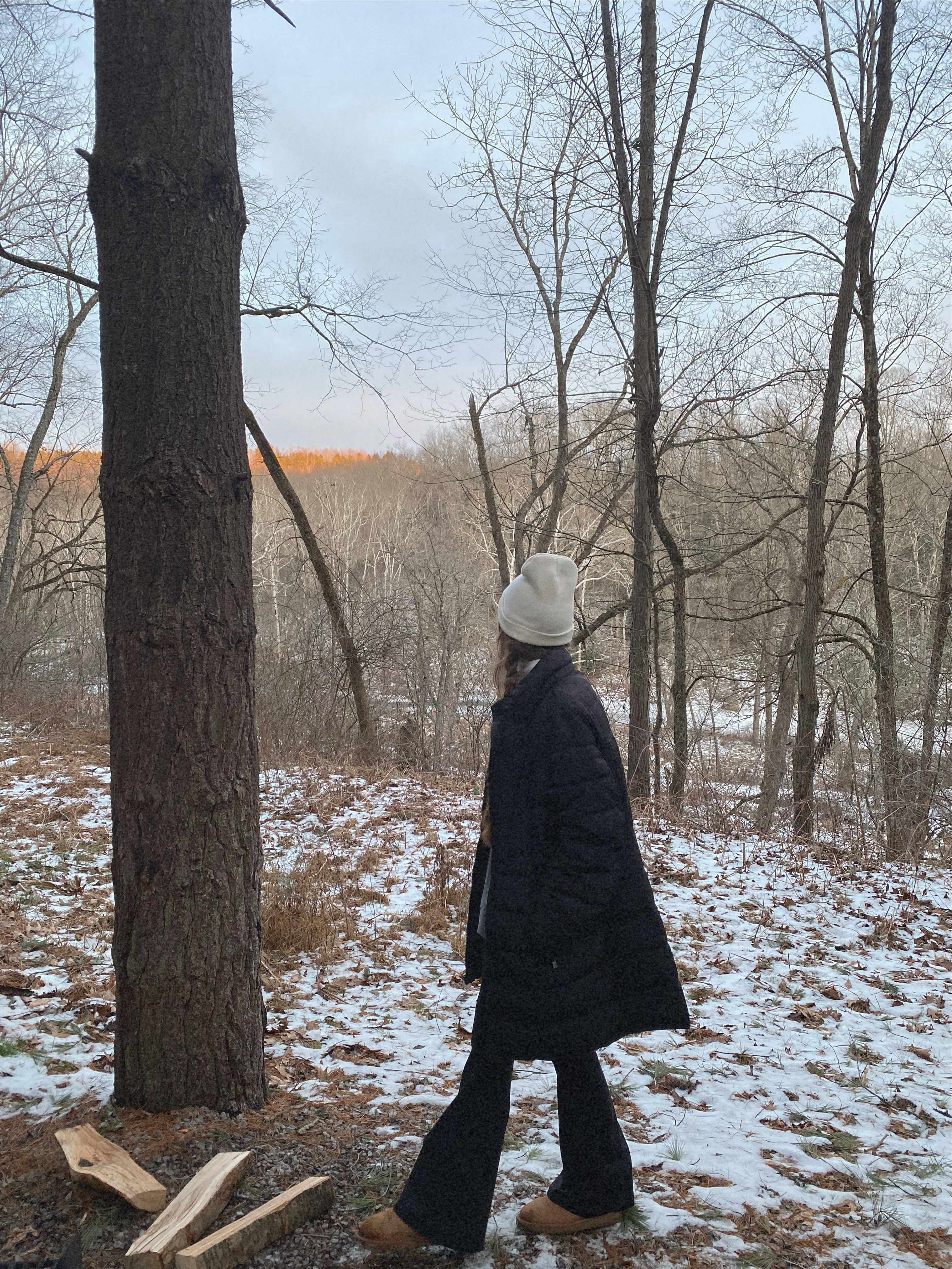
Winter cabin trips are some of my favorite!
Snowy backgrounds and cozy indoor elements
Spending time in the snow is a must in the winter

A New Year

It’s hard to believe another year has come and gone. The week between Christmas and New Years is one of my favorite weeks━ the last week of the year, the perfect time to slow down and reflect on the final days of the year and prepare for the year a head. I kn0w there’s some controversy surrounding new years resolutions and goal making, but personally, I love this time of the year because of the chance for a “restart.” A restart or fresh start can be whatever it means to you! Cleaning out a closet, going through old emails, working on a vision board for the year, or writing down dreams, goals, and intentions for the new year.

I created a 2024 dream planning page that I’ll personally be using and wanted to share for anyone else interested. I typically write anything that comes to mind that I hope to achieve or strive for in the new year, even if it feels a little ambiguous at first! That’s what dreaming and goal planning is all about :)

I also wanted to share some of my favorite moments captured on film from the past year.

Wishing you all a wonderful end to 2023 and a magical start to 2024!

2023 Favorite Moments Captured on Film

Visiting Jackson Hole, Wyoming
Grand Teton National Park
Visiting Yellowstone National Park
Mount Rushmore
Camping in Allegheny National Forest
Sunrise at Schwbacher Landing
Lakeside, Ohio
Fall camping in Allegheny National Forest
Bison in Hayden Valley
Glacier National Park
Badlands National Park.
Bison viewing in Yellowstone National Park
Glacier National Park

There’s No Place Like Home for the Holidays

The holiday season brings so much warmth and comfort, especially within the home. I love decorating my home and adding cozy elements all year long but there’s something extra special about the holiday season.

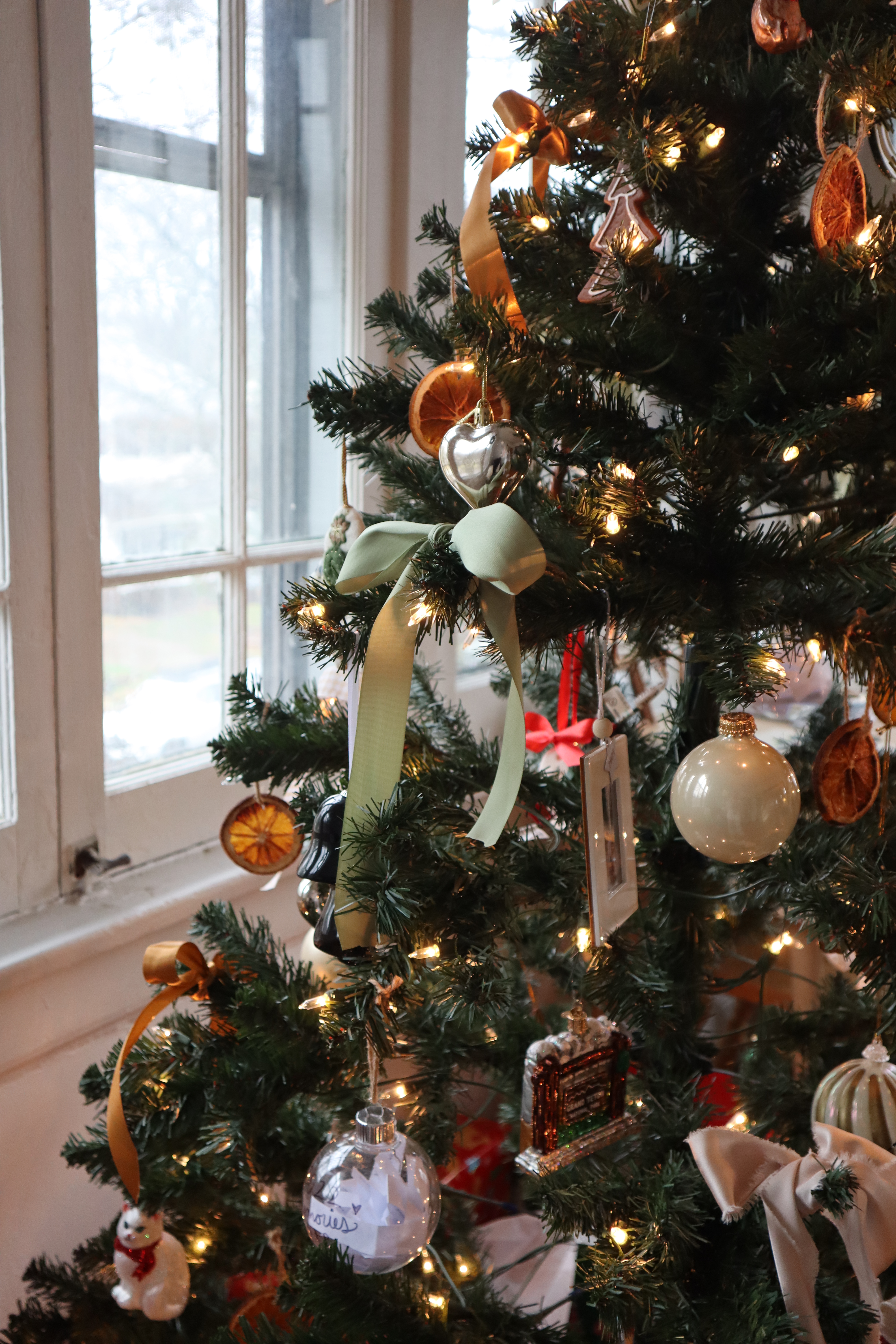
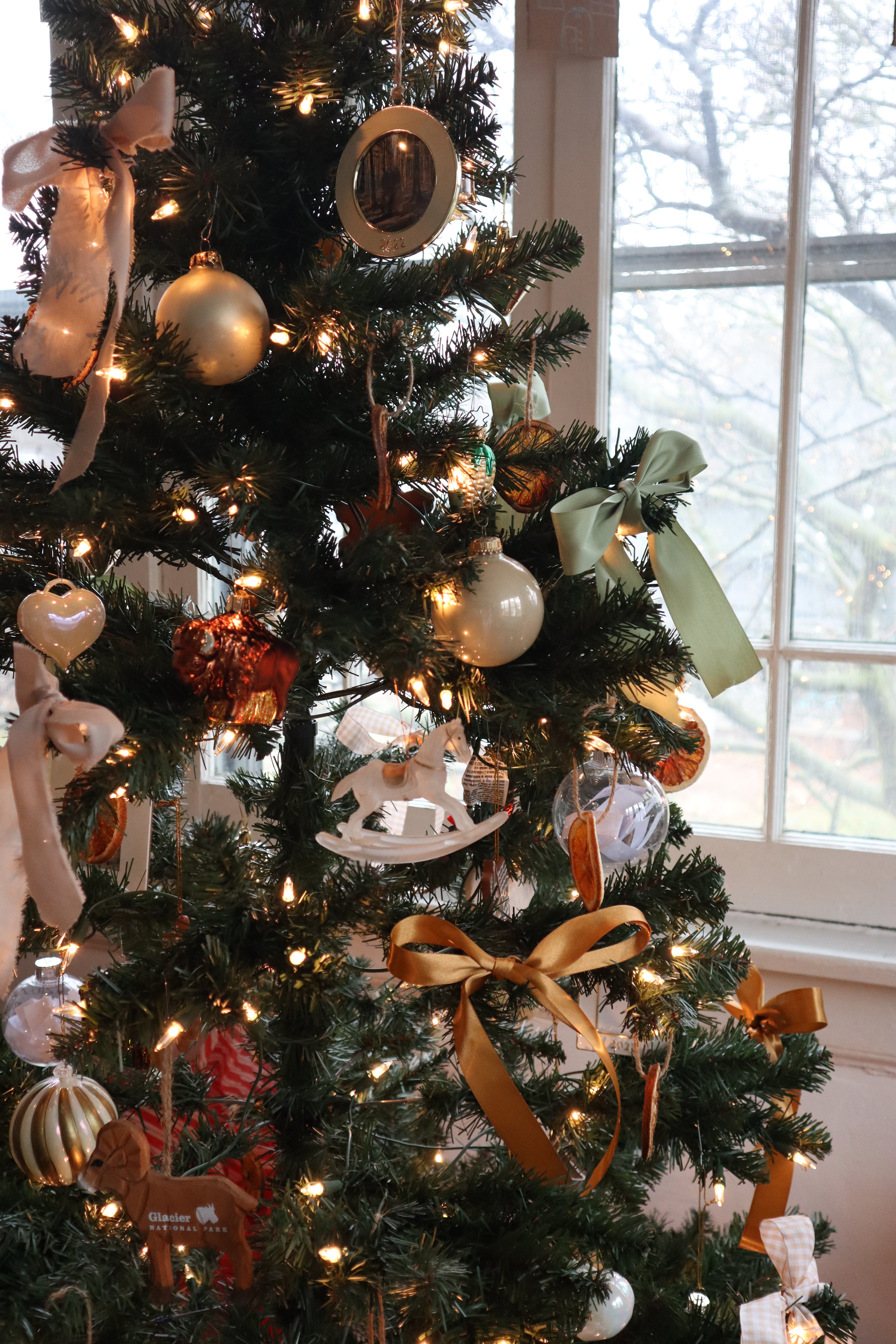
Last year was my first year in this apartment. I bought and collected several pieces that are typical when adding holiday decor to a space (a tree, stockings, throw pillows, etc.). This year I wanted to add more homemade touches to the space that felt more personal to Patrick and me. Most of the additions this year were homemade or purchased second hand. I’m hoping this could provide inspiration when decorating for the holidays. My favorite touches this year were adding bows to the christmas tree, seeing more cultivated travel ornaments, wreaths to frame the tree, and lots of garlands.

This year I also focused more on decor and warmth I could create from natural elements such as a dried orange wreath or ornaments and a simmer pot to add winter scents to the home. Here’s some simple steps if you’d also like to incorporate this into your home:

dried orange garland

  • thinly slice 1-2 oranges (1 is plenty for one garland)
  • dry each slice with a paper towel to remove some moisture
  • place orange slices on a baking pan
  • bake at 200 degrees for 3-4 hours checking occassionally to flip
  • oranges will be done once slightly brown or harden

winter simmer pot

  • add water to a pot or dutch oven
  • cut and add 1 thinly sliced orange
  • cut and add 1 thinly sliced apple
  • 2-3 cinnamon sticks
  • sprinkle of cloves or nutmeg
  • splash of vanilla extract
  • add a handful of cranberries
  • for an extra touch, add rosemary or pine
  • bring pot to a boil and lower to simmer for 30+ minutes

wishing you all happy holidays! x

this year I add garlands and wreaths to frame our tree
ribbon and embroidered initials for our stockings
wreath on our mirror
alpine trees near the fireplace
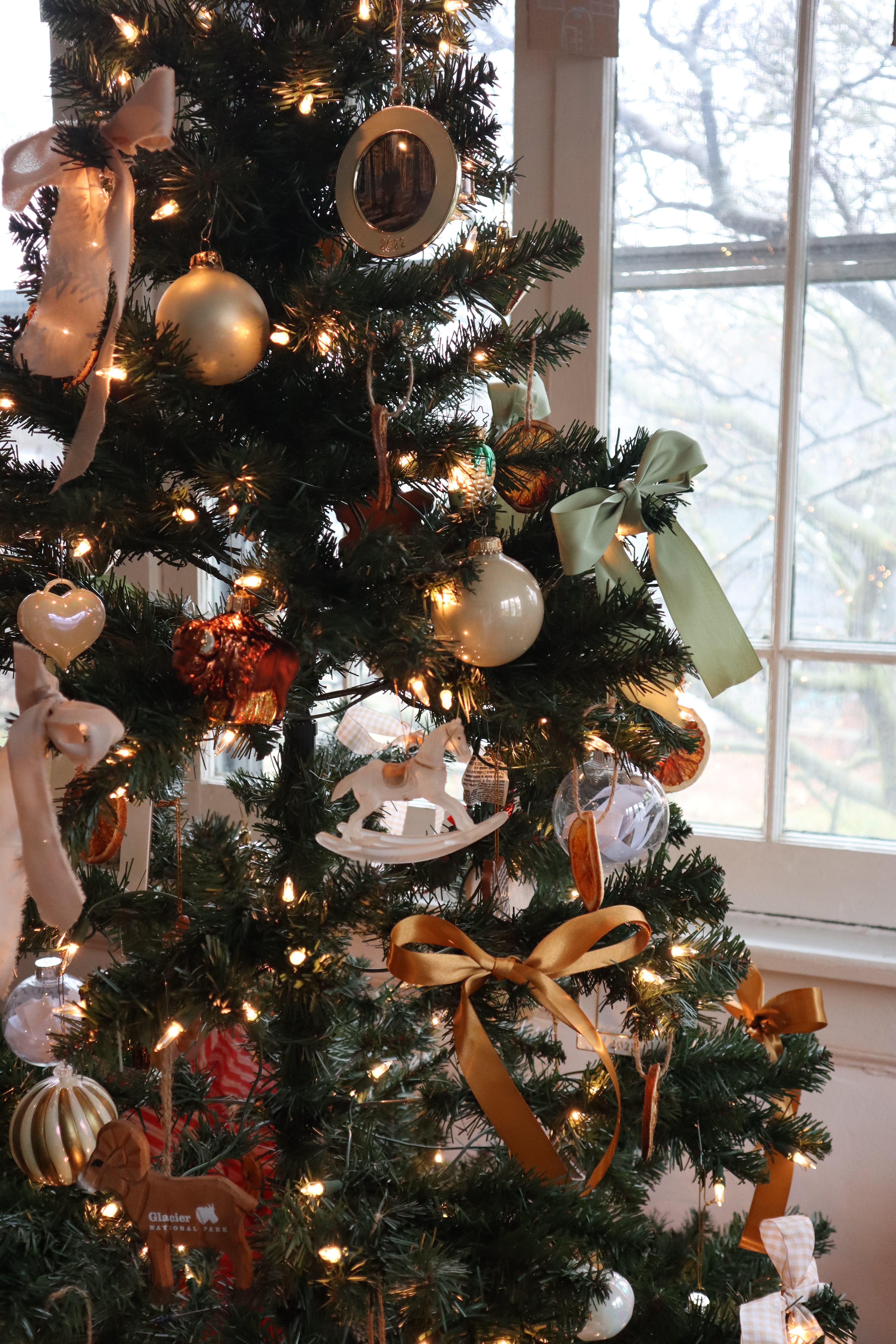
ribbon bows were the newest cozy addition to the tree this year
reading nook near the tree
my favorite scene
close up of ornaments
festive kitchen corner
festive sheets in the bedroom
holiday simmer pots

Allegheny National Forest, PA: Fall Camping Tips

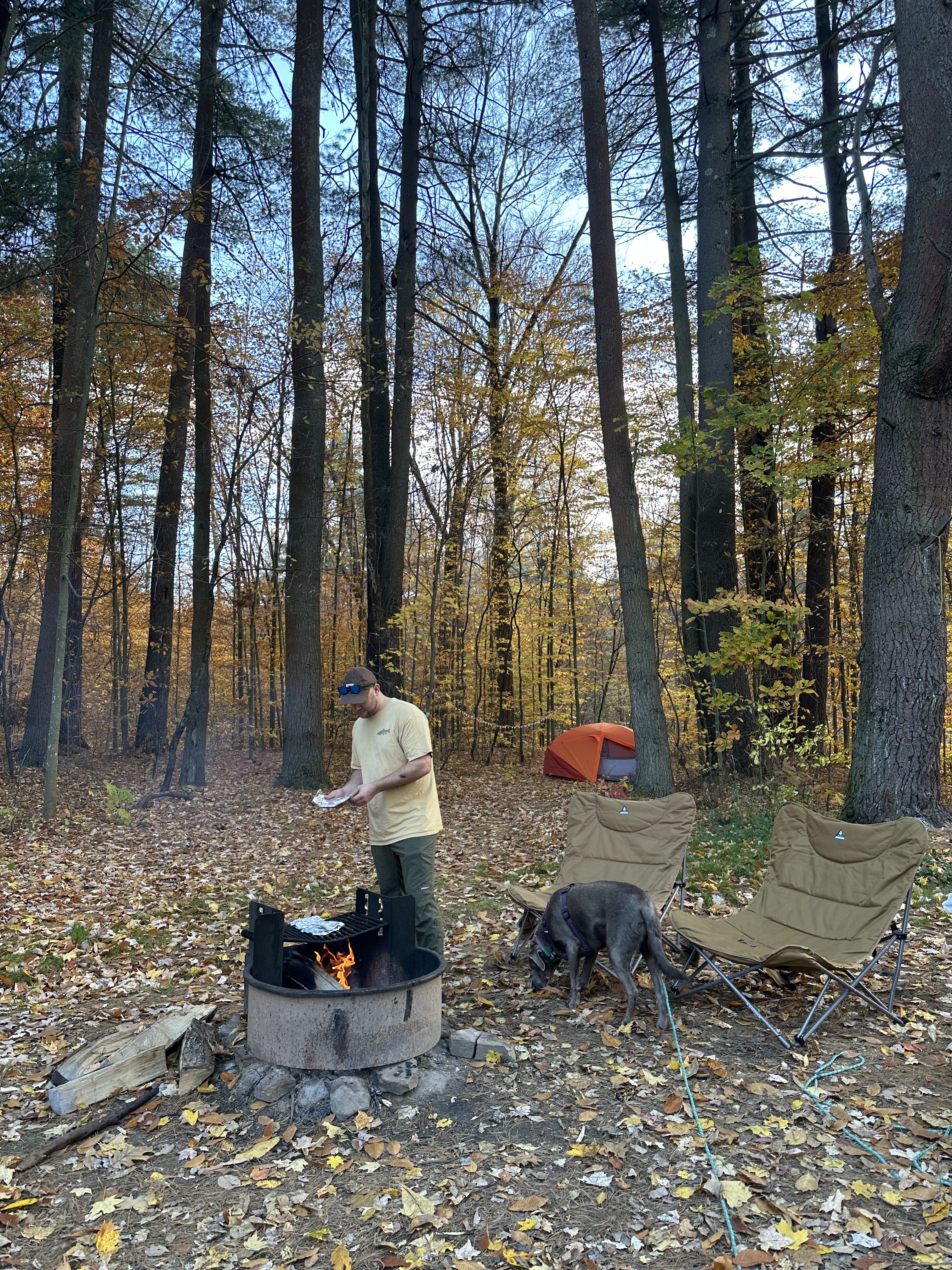
This past weekend, I was able to spend time camping in one of my favorite places, Allegheny National Forest. Patrick and I first visited Allegheny last spring and enjoyed it so much we wanted to experience the forest during the fall season. We stayed at Red Bridge campground again, one of our favorite campgrounds we’ve ever stayed at. This time we were able to reserve a campsite in advance and choose a beautiful spacious spot surrounded by stunning fall foliage. Here’s a list of extra supplies we brought this time to prep for the chillier weather in the fall and to make the experience more cozy:

Fall Camping Tips & Cozy Supply to Pack

Tips:

Check the weather. Fall camping usually brings cooler temps at night and rain depending on where you’re located. While we were in Allegheny it did rain for most of the trip.

Pack lots of layers. There’s nothing worse then being cold and wet. Packing extra layers will provide options and extra warmth on the chilly nights.

Be flexible with plans. During our camp visit, it rained majority of the time which was challenging! Being able to make the most of the trip despite the weather is a must.

Reserve a camping spot in advance. If possible, it’s always reassuring to have a camp site reserved, especially in the fall season. Most seasonal campgrounds are only open through October so it’s usually more popular during the fall months depending on the location.

Supplies to pack for fall camping & for a cozy vibe while camping:

  • Tent with rain cover
  • Awning or area to cover from rain so cooking is accessible
  • Lights (string or lanterns) to help when it gets darker earlier
  • Comforter or extra blankets for sleeping
  • Supplies for hot beverages
  • Layers of clothing
  • Comfy camp chairs
  • Table cloth for picnic table
  • Cozy shoes and socks to wear around camp
  • Waffle maker for breakfast

Although some of these supplies aren’t necessary, it definitely made for a cozier experience while camping in the fall season.

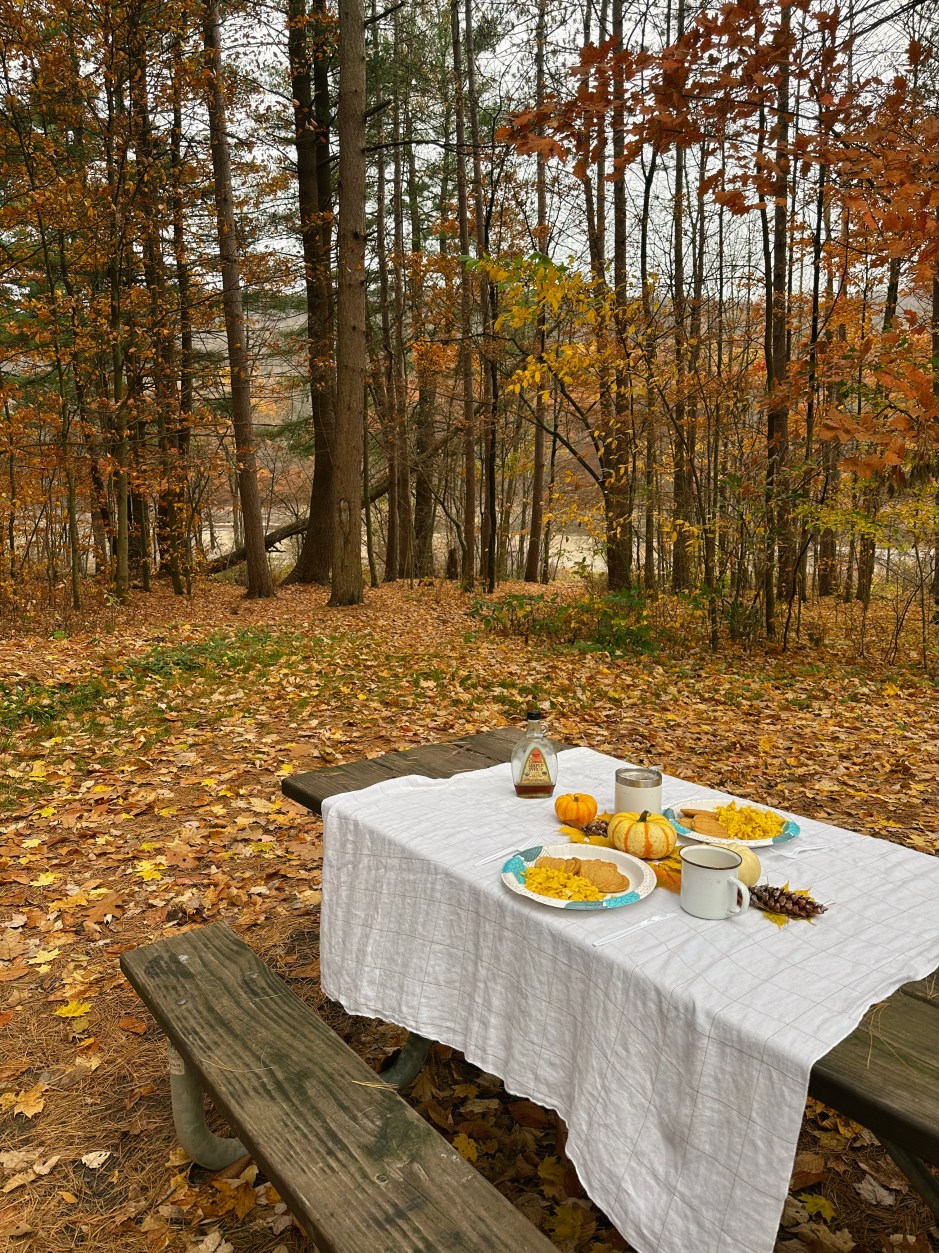
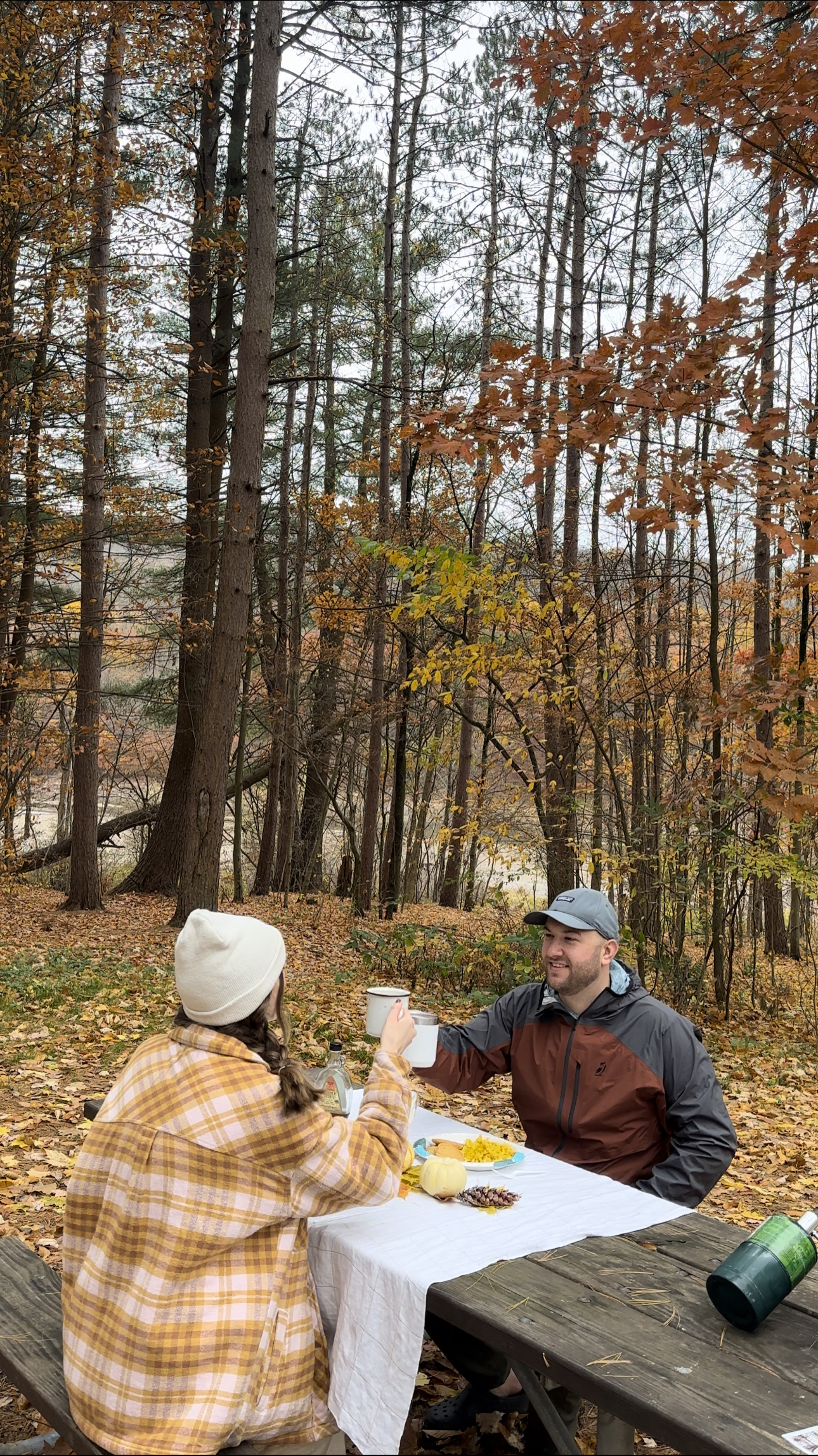
breakfast at camp
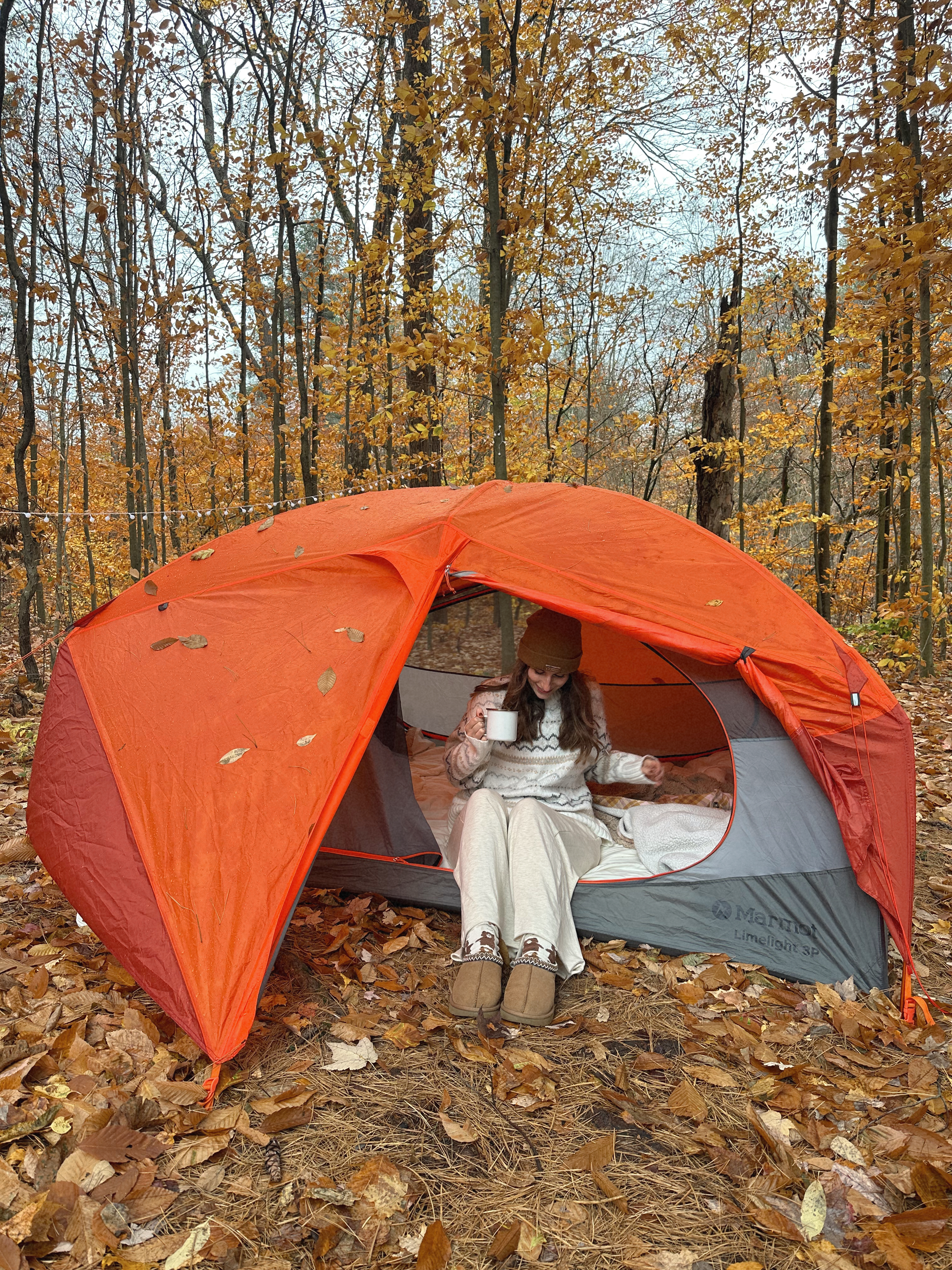
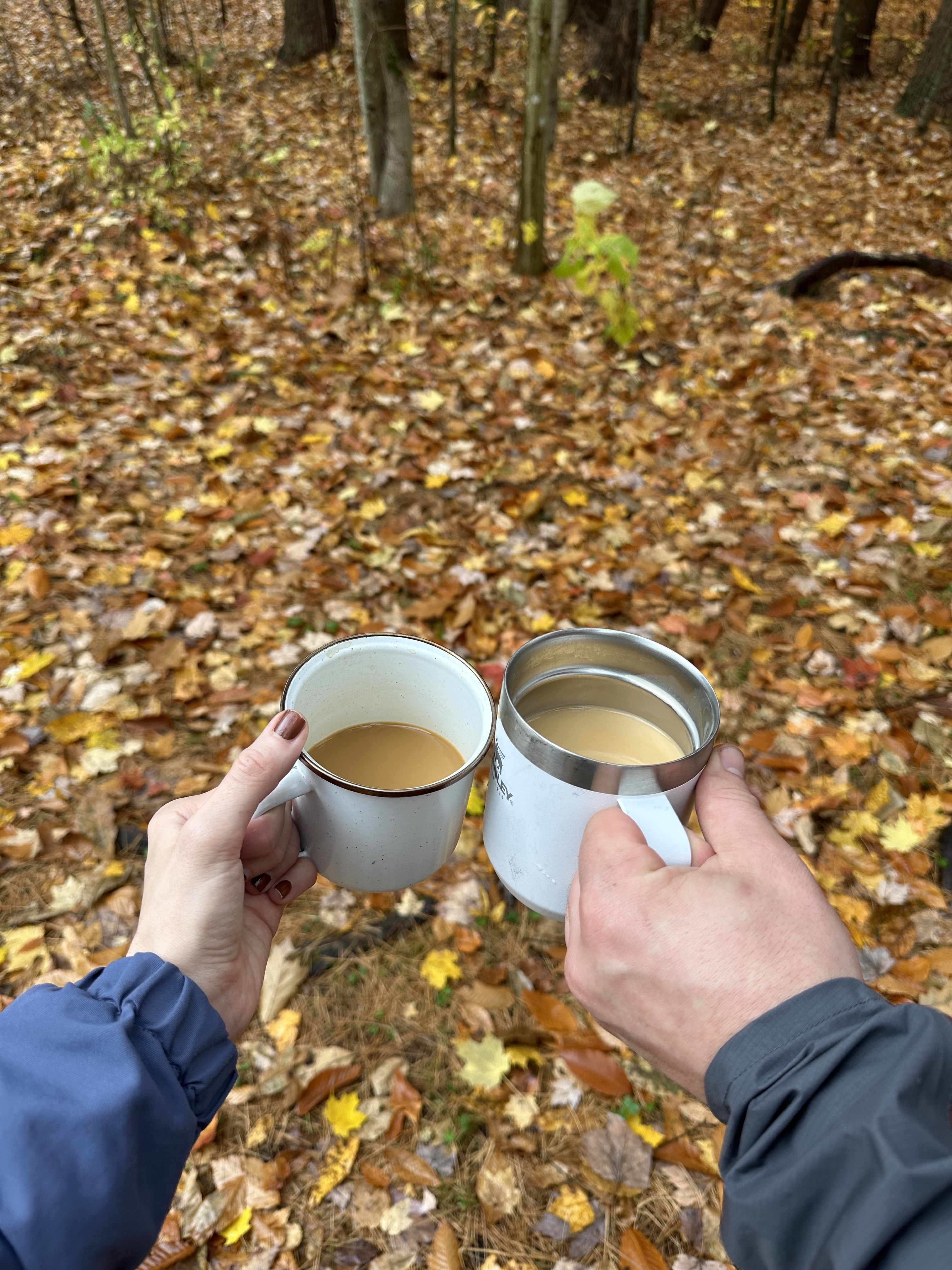
morning coffee from the tent
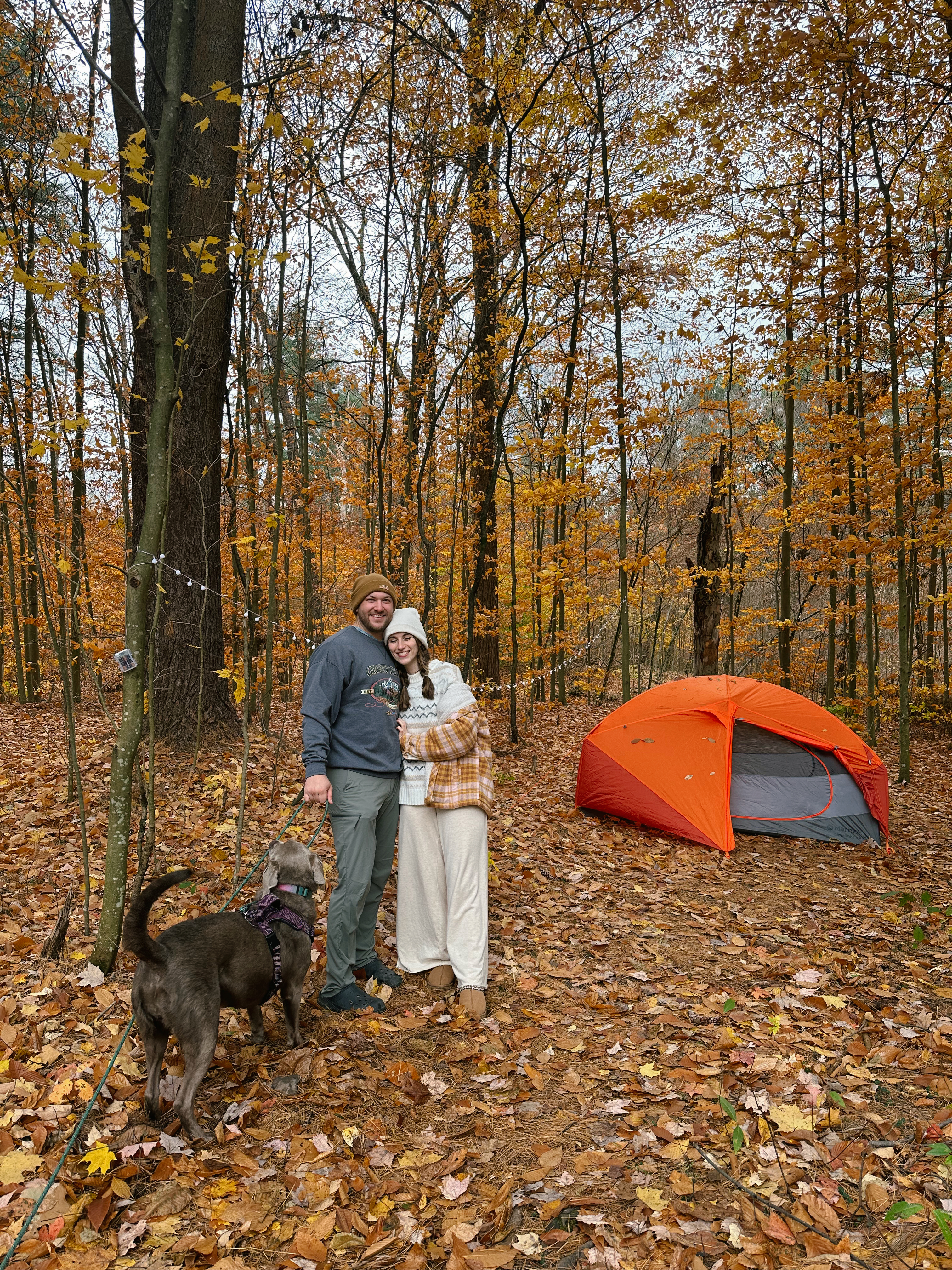
our attempt at a family picture
breakfast spread
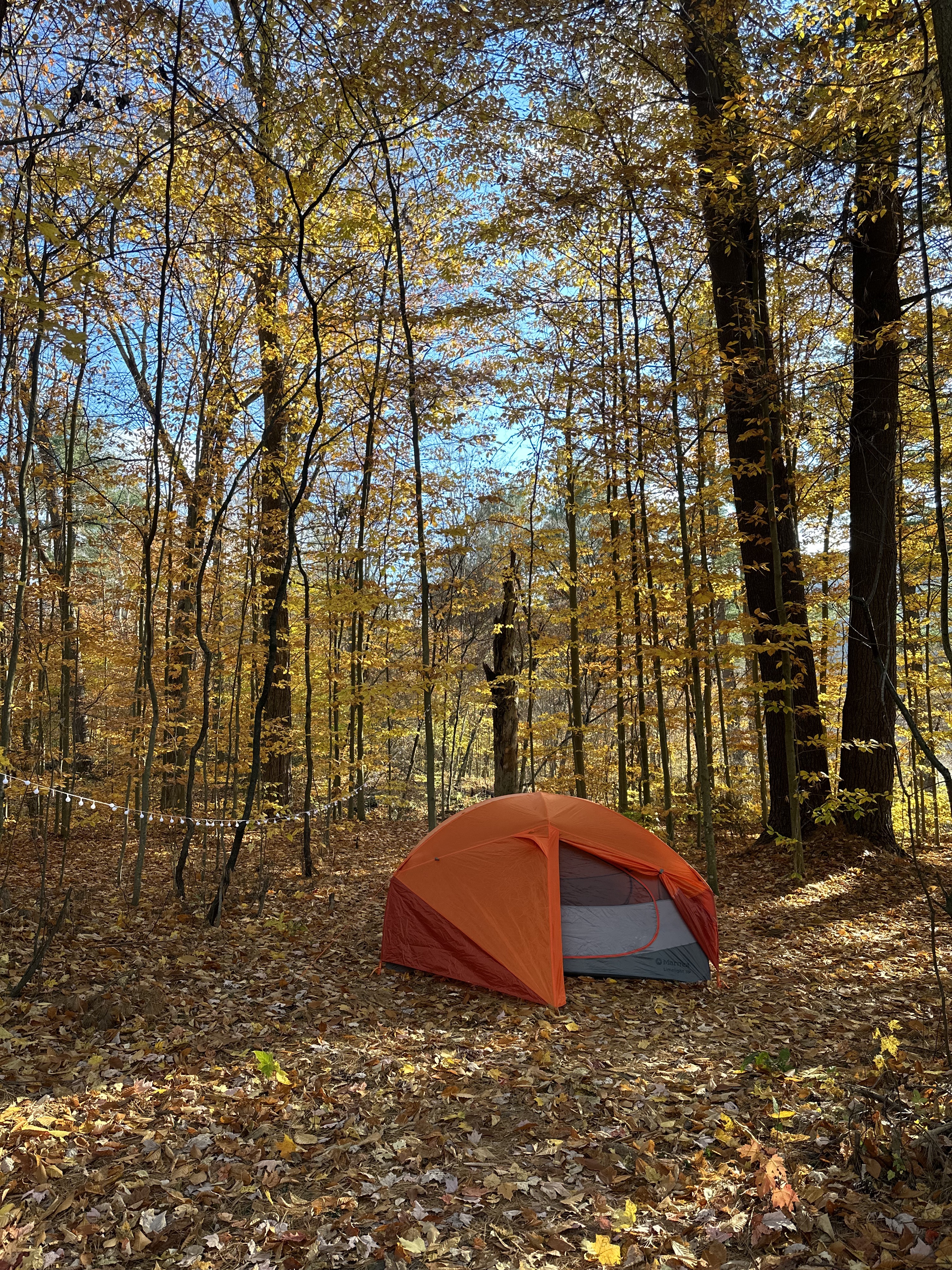
cozy tent
morning coffee
red bridge campground
tent at night
cozy layers
pumpkin waffles for breakfast
morning views from the tent
tent set up
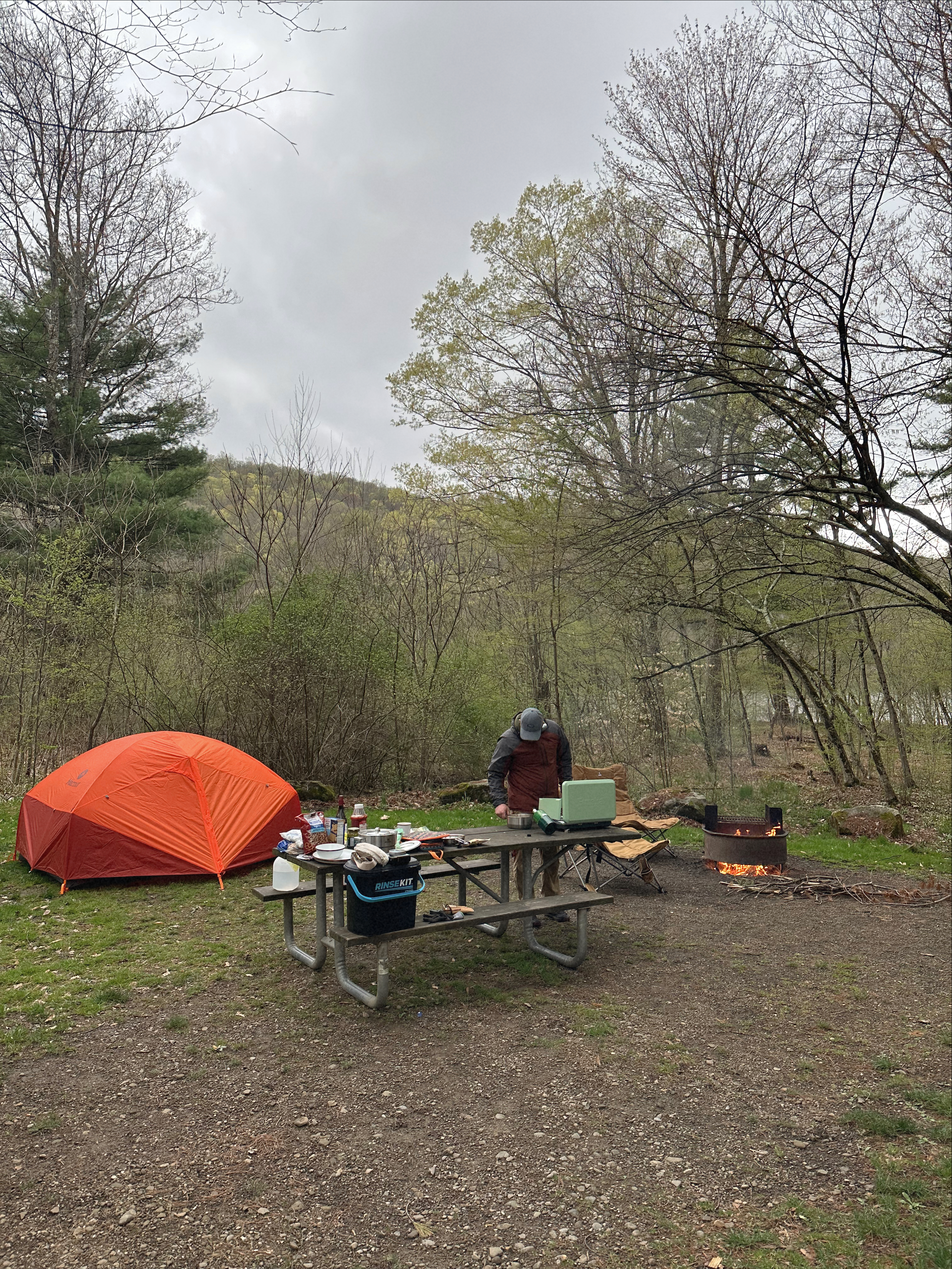
prepping dinner

Road Trip Film Photo Collection

One of my favorite ways to capture memories on a trip is through film photography. Last month I went on a two week national park road trip and brought along my Canon ae-1 35mm camera. This is my second film collection shared on the blog, and these are some of my favorite travel photos captured in timeless film. These photos were taken throughout several states and national parks highlighting the beauty of South Dakota, Wyoming, and Montana.

Film Collection 02 / Summer ’23

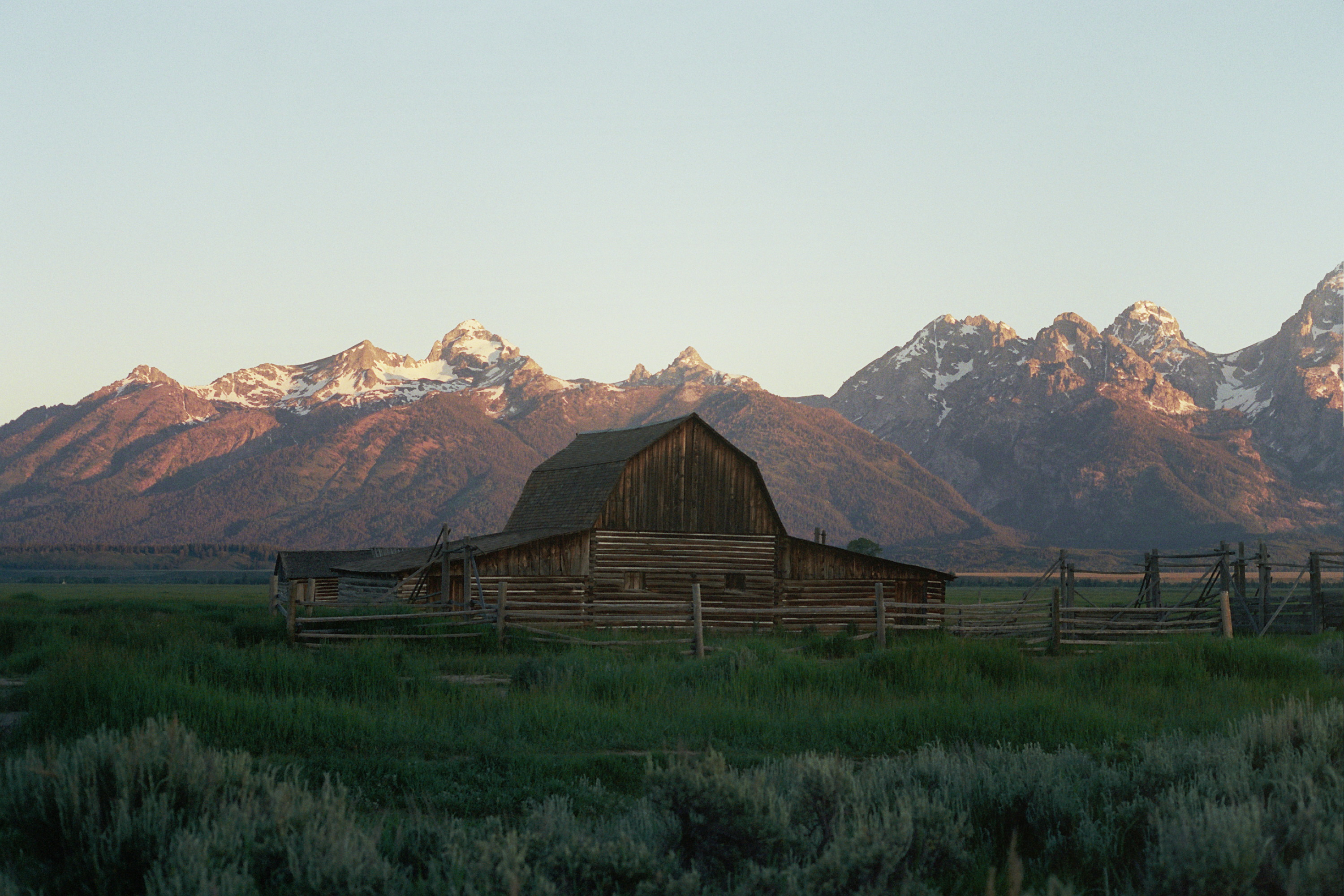
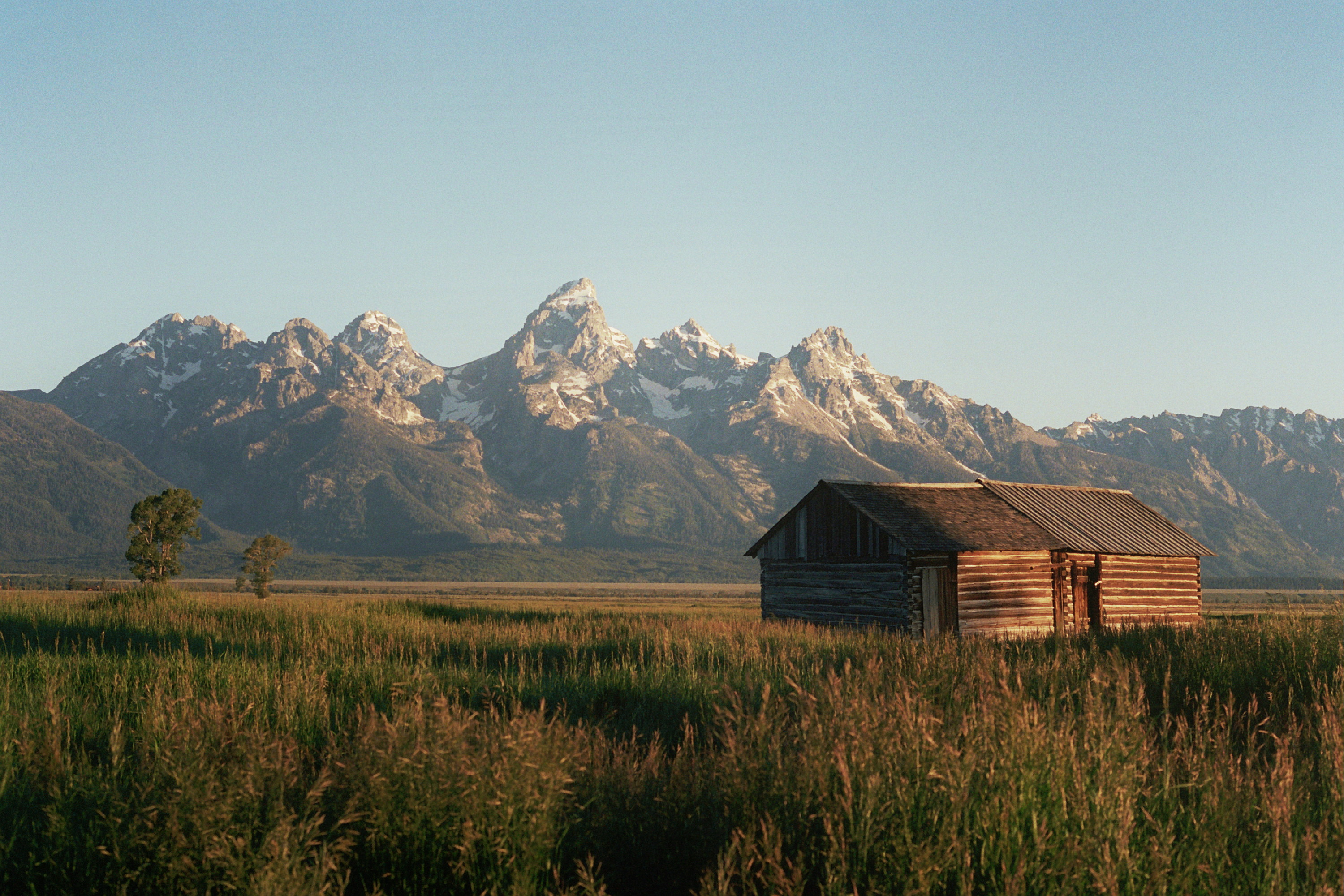
Mormon Row, Grand Tetons National Park
Overlook in Badlands National Park
Indiana Dunes National Park
Sunrise at Mormon Row, Grand Tetons National Park
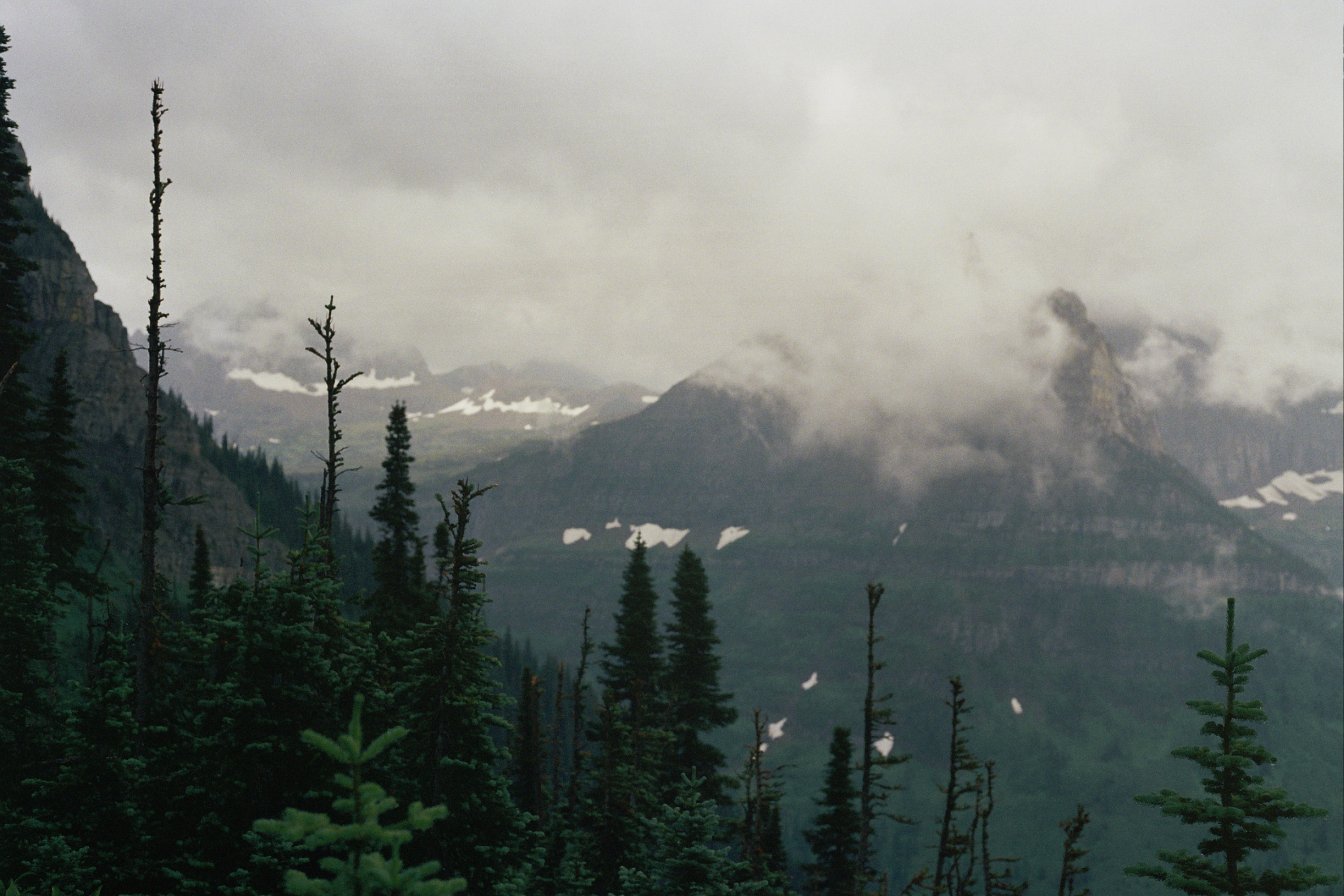
Views along the ‘going to the sun road’, Glacier National Park
Lake Mcdonald, Glacier National Park
Glacier National Park
Mount Rushmore
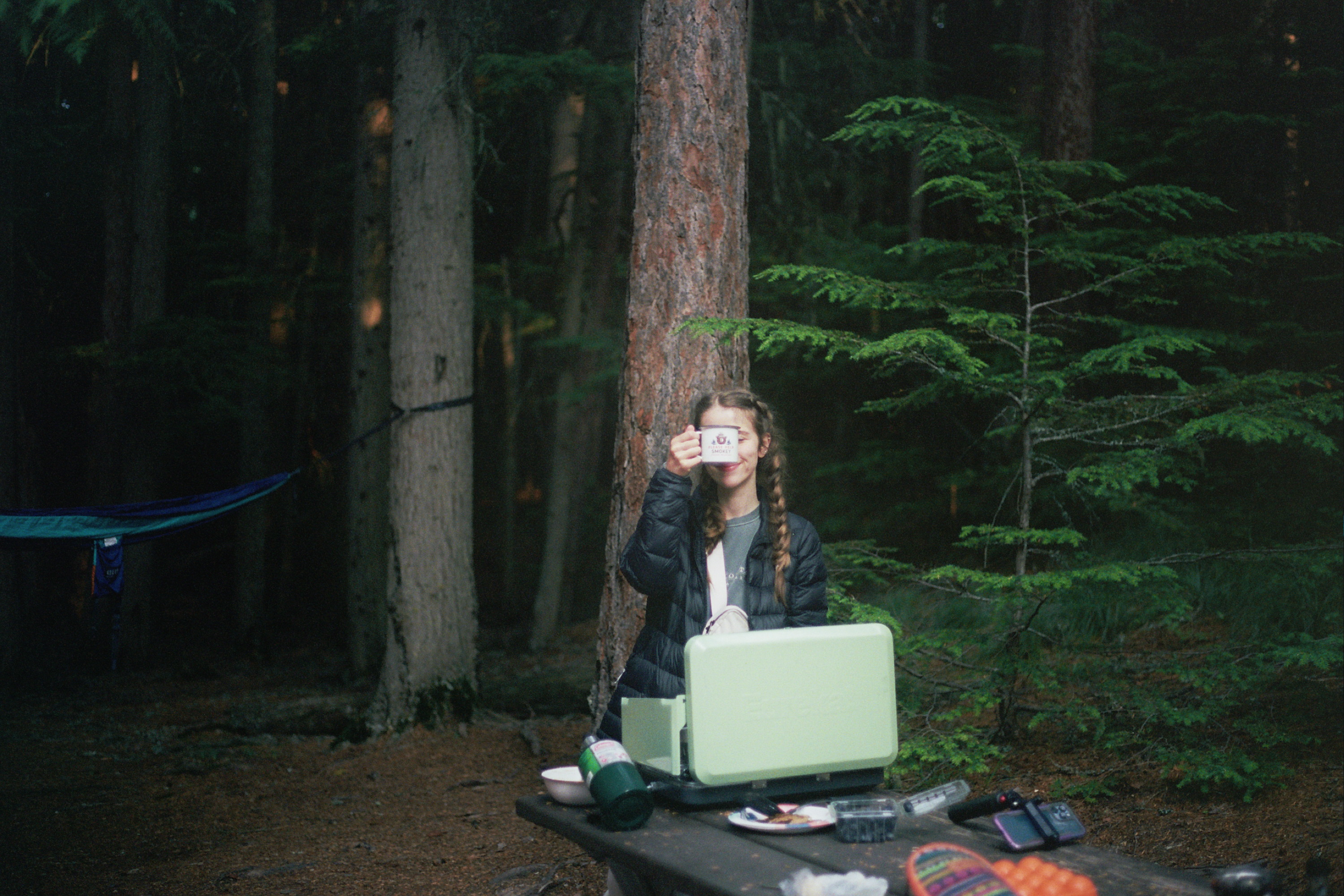
Breakfast at camp
Grand Tetons National Park
Mormon Row, Grand Tetons National Park
Badlands National Park
The high line trail, Glacier National Park
Driving into Wyoming
Oxbow Bend look out, Grand Tetons National Park
Breakfast at camp
Badlands National Park
Grand Prismatic Spring, Yellowstone National Park
Hayden Valley, Yellowstone National Park
Schwabacher Landing, Grand Tetons National Park
Car camping
Wild Goose Island, Glacier National Park
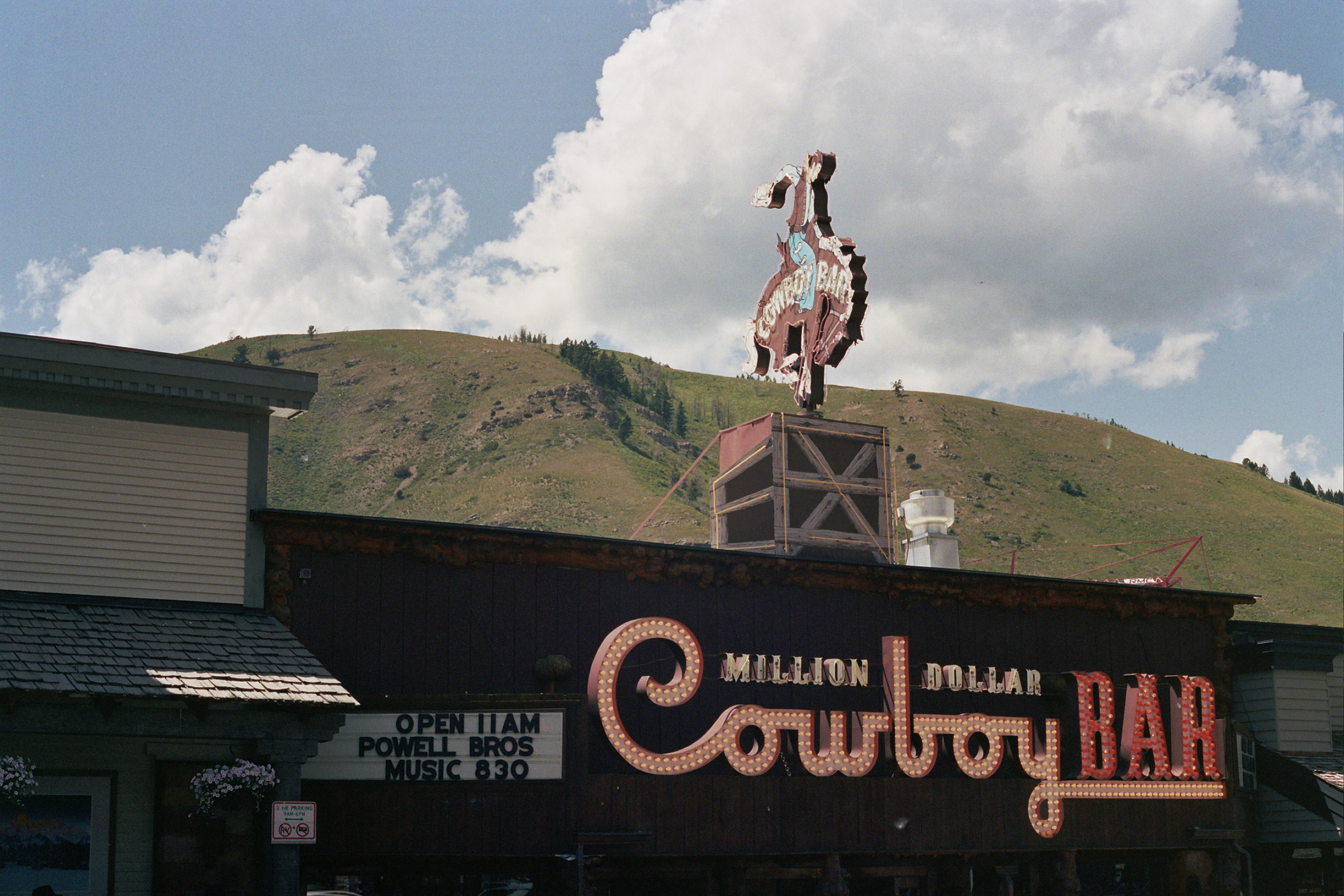
Jackson Hole, Wyoming
Grand Tetons National Park
Glacier National Park

Tips For Planning a National Park Trip

Planning a trip to a national park can feel intimidating when there’s so much to plan for! Although a trip to a national park could be planned last minute, from experience I’d recommend planning well in advance to guarantee more options and less stress. Throughout the last two years, most of my trips have been to national parks. I’ve learned so much about the planning process and wanted to share some tips. This summer I’ll be going on another cross country road trip to visit 4 more national parks and these are the tips I followed to help us plan another amazing trip!

My Tips

  • If you’re planning to stay at a campground, be sure to book at least 6 months in advance for most national parks. This is the number one tip I have. Many people want to guarantee they will have an accommodation well in advance from their trip, especially during busy season which is usually summer. We are going to Glacier National Park this summer and I booked the campground for us in January (!). If planning this far in advance isn’t an option, most national parks do save ‘first come first serve’ spots at campgrounds but it is generally competitive. This tip could also apply to hotels or other accommodations near a national park.
  • Similar to tip one, if you’re planning to stay at a campground do some research on the area you’d like to be in. The campgrounds in most national parks are spread out and not necessarily close to popular sites and trails. If this is important to you, you’ll want to try and book the most central campground in the park, which no surprise, is usually the campground that fills up the fastest!
  • Take time to plan out hikes or other activities you’d like to do. Each national park has their own website that highlights the hikes within the park, campgrounds, historic sites, and other activities. If you plan to do a lot of hiking, I’d suggest mapping out the trails you’d like to do. On the website, you’ll find how long each hike is and the difficulty level (which is important to be aware of beforehand).
  • Research other reservation requirements. Since the pandemic, several national parks have been requiring additional vehicle timed entry reservations or reservation passes for popular sites to reduce crowds. As of this year, many popular national parks are still enforcing this and it’s important to know in advance because it’s not possible to get a reservation on site. I discuss the vehicle reservation system in some of my national park posts, there are ways around this if you’re unable to get a pass in advance. These requirements will be clearly listed on each park’s website.
  • Look up trail statuses on the national park’s website. As I mentioned earlier, each national park has their own website and updates are posted daily. This is particularly helpful if you’re going to a park with lots of wildlife, or drastic weather changes. Sometimes trails close if there’s too much wildlife activity or due to weather conditions. Speaking from experience, it’s better to check before hand or else you’ll arrive at the trail feeling disappointed!
  • If you plan to visit multiple national parks in one trip, I’d recommend investing in the America The Beautiful pass, it’s $80 and gives you access to any national park for one year! Most national parks cost $35 for entry so the pass will definitely pay for itself if you have plans to visit more then one park within a year!
  • Pack extra layers. This is a tip I learned from experience, even if you’re visiting a national park during the summer months, I found most nights or early mornings were still chilly, especially if you’re hiking in higher elevations! The climate definitely changes the higher up you hike.
  • Arrive early to trailheads. Popular hikes within a national park become very crowded! I’d suggest arriving to most trailheads before 7am if you’d like to explore without crowds. This is also beneficial for securing a parking lot at a trailhead as these fill up quickly too depending on the popularity.