Things to Know About New Changes Occurring in U.S. National Parks

There’s been a lot of recent news and updates regarding the future of national parks. If you’ve read my blog before, you probably know national park travel is so important to me. If you’ve visited a national park before, you likely understand why they need to be protected. I consider it such a gift to have these stunning places throughout the country, full of beautiful scenery, incredible wildlife, and wonderful hikes and activities to explore. These places wouldn’t exist or thrive without the work and dedication of so many park rangers, forest service workers, and volunteers of the national park service.

The current administration recently fired thousands of public land and national park employees, leaving these magical places at risk. Not only for the visitors who cherish these places but for the wildlife that are able to call these places home.

The current updates have been very unsettling for me and I wanted to create a post sharing resources and things to be aware of if you also love and appreciate our national parks. I will also be sharing ways to advocate and do our part in maintaining the national parks to the best we can.

Things To Be Aware of Moving Forward

Due to the lack of staffing, there may be many changes within major national parks. It’s easy to not always recognize how much these workers contribute to the parks because of how much time and effort goes into caring for these areas. Now more than ever, it will be important for all of us to do our part. There’s a lot we still don’t know but, for now, these are things that may be a result of less staff to assist in maintaining the parks and public lands.

  • There may be unmaintained trails. With the reduction of staff, some hiking trails may not have their usual attention and care which could mean more fallen trees, rocks, or other obstacles that could interfere with the safety of a trail. Please keep this in mind when exploring and hiking. It will be important to do your own research, look up weather conditions before hiking, and use your best judgement!
  • More trash and litter. With less workers to care for and manage waste, this could possibly cause litter to accumulate in the park. Please do your part in picking up trash when you see it!
  • Less search and rescue availability. This is arguably the biggest loss with these new changes. If you run into a safety concern on a hiking trail or within the national park, there may not be help available for you. Again, it will be important to use your best judgement and come prepared with proper gear.
  • Campground and closures. There could be temporary closures and less campgrounds that can be maintained with less staff. Similarly to other tips, it’s important we are more aware of trash and leaving no trace. It will also be beneficial to check park websites to find out if there are any closures ahead of time when planning a trip.

Things We Can Do

  • Respect these parks and spaces. This should be the case anyways but with fewer staff, it will even more important to follow rules and respect these places, especially when it comes to wildlife! We are a visitor in their home, which is so important to remember when visiting a protected area like a national park.
  • Be patient. With fewer staff, national park workers will be even more overworked and understaffed. This could cause an increase in delays, lines, and less help available during your visit.
  • Sign a petition that helps protect these parks during this time. I will link a petition from the National Park Conservation Association that you can sign if interested. On the website, you’ll find a few different petitions and actions you can sign regarding the matter. Please consider signing or finding out more information on their website.
  • Call your representatives and share your feelings about the matter.
  • Volunteer at your local national park or national forest!
  • Continue to spread awareness about this with others and while visiting national parks moving forward! Share this post, write your own, talk with friends and family about this matter.

I will be sharing more information as we continue to learn more about these changes. National parks are truly so special and I hope we can all make an effort to continue to protect them.

Acadia National Park
Yellowstone National Park
Glacier national Park
Mammoth Cave national park
Zion national park
Arches national park
Bryce Canyon national park
Grand Teton national park
New River Gorge national park
Rocky Mountain national park

Changes Within the US National Parks You Need to Know Before Planning a Trip

Throughout the last few years, the national park system has changed the way visitors can access certain areas within the parks during peak seasons. Certain parks now require reservations for specific areas to limit crowds and enhance visitor’s overall experience. As of this year, there are 9 national parks that require some type of reservation when visiting.
If you’ve read other national park posts I’ve written, you know I’m frequently recommending planning at least 6+ months in advance, especially for popular parks. While I know this isn’t always possible or convenient, due to the changes with national parks, planning in advance is almost essential if you want to fully access and experience the parks as it’s not possible to purchase these reservations upon entering the park, they must be reserved in advance..

Types of Reservations that may be Required

  • Timed Entry Reservation. This kind of reservation requires visitors to reserve a ticket for a time period (ex. 6am-4pm). These kind of reservations may give you access to one section of the park, the entirety of the park, a road within the park, etc, depending on the park. If you aren’t able to access a timed entry reservation (if you’re planning a last minute visit) there are ways around this. If the time slot is 6am-4pm, that means if you enter the park BEFORE 6am, you’ll be able to get in. However, if you leave the park at any point before 4pm, you won’t be able to get back in until after 4pm. Similarly, you could access the park after 4pm.
  • Vehicle Reservation. This kind of reservation may be for a specific area in the park. For example, in Acadia National park, you need a vehicle reservation to drive up to Cadillac mountain.
  • Hiking Permit. This kind of reservation is necessary if you want to hike a particular trail in the park that requires a permit. For example, Old Rag trail in Shenandoah national park now requires a permit to access.

Parks that Require Reservations

*As of December 2023*

  • Acadia National Park, Maine– requires a vehicle reservation to access Cadillac mountain if visiting between May-October. This reservation costs $6 and can be purchased on the park’s website.
  • Arches National Park, Utah– requires a timed entry reservation (7am-4pm) between April-October. This reservation costs $2 per vehicle. Learn more on the park’s website.
  • Glacier National Park, Montana– requires a vehicle reservation (6am-3pm).
    • Due to Glacier’s popularity, the park has split the major areas of the park into three sections that ALL require reservations if you plan to visit. All sections require a reservation between the hours of 6am-3pm during the months of May-October. The sections within the park that all need a reservation include:
    • Going to the sun Road
    • North Fork
    • Many Glacier
  • Haleakala National Park, Hawaii– requires a vehicle reservation (3am-7am) that costs $1 per vehicle to watch the sun rise above the clouds at Haleakala Summit. Learn more on the park’s website.
  • Rocky Mountain National Park, Colorado-requires a timed entry ticket from May through October. RMNP has split the timed entry tickets into two sections:
    • Bear Lake corridor, timed entry reservation required to access the bear lake trails + access to the rest of the park, costs $2. Timed entry from 5am-6pm.
    • Rest of the park, timed entry reservation for the Rocky Mountains national park, excluding the bear lake trails, costs $2. Timed entry from 9am-2pm.
  • Shenandoah National Park, Virginia– requires a day use hiking permit if you desire to hike ‘Old Rag trail’ which is one the most popular trails in the park. Reservation required from March-November and costs $1 (each person is required to have a ticket). Learn more on the park’s website.
  • Yosemite National Park, California– requires a timed entry ticket to access areas in the park and a hiking permit for the Half Dome trail. The park has different types of reservations if you plan to visit this year:
    • Horsetail Fall reservation– ticketed entry during the months of February on the weekends of February 10–11, February 17–19, and February 25–26, 2024. Note, this reservation is only required if you plan to visit on the listed days in February. This is a big attraction during the month of February in the park, so the reservations are listed for the weekends. This reservation costs $2 and is per vehicle. Purchase tickets on the park’s website.
    • Peak Hour Plus reservation– timed entry ticket valid to enter the park from 5am-4pm and good for 3 conservative days! This reservation is required during the months of April-October. It’s $2 and per vehicle. Purchase tickets on the park’s website.
    • Half Dome hiking permit– this popular trail now requires a permit to hike as an attempt to reduce crowds. Learn more about how to obtain a permit through the park’s lottery system here.
  • Zion National Park, Utah– requires hiking permits for Angel’s Landing, Subway, and the Narrows from top-down.
    • Angel’s Landing– the park now requires a permit to hike the entirety of this trail (without a permit you can hike all the way to “scout lookout”). Similarly to Yosemite, permits are selected by a lottery system. It costs $6 to apply and if selected it’s $3 per person to hike this trail. Learn more on the park’s website.
    • The Subway- this hike requires a permit if you plan to hike it between the months of April-October and is selected through a lottery system as well. Learn more here.
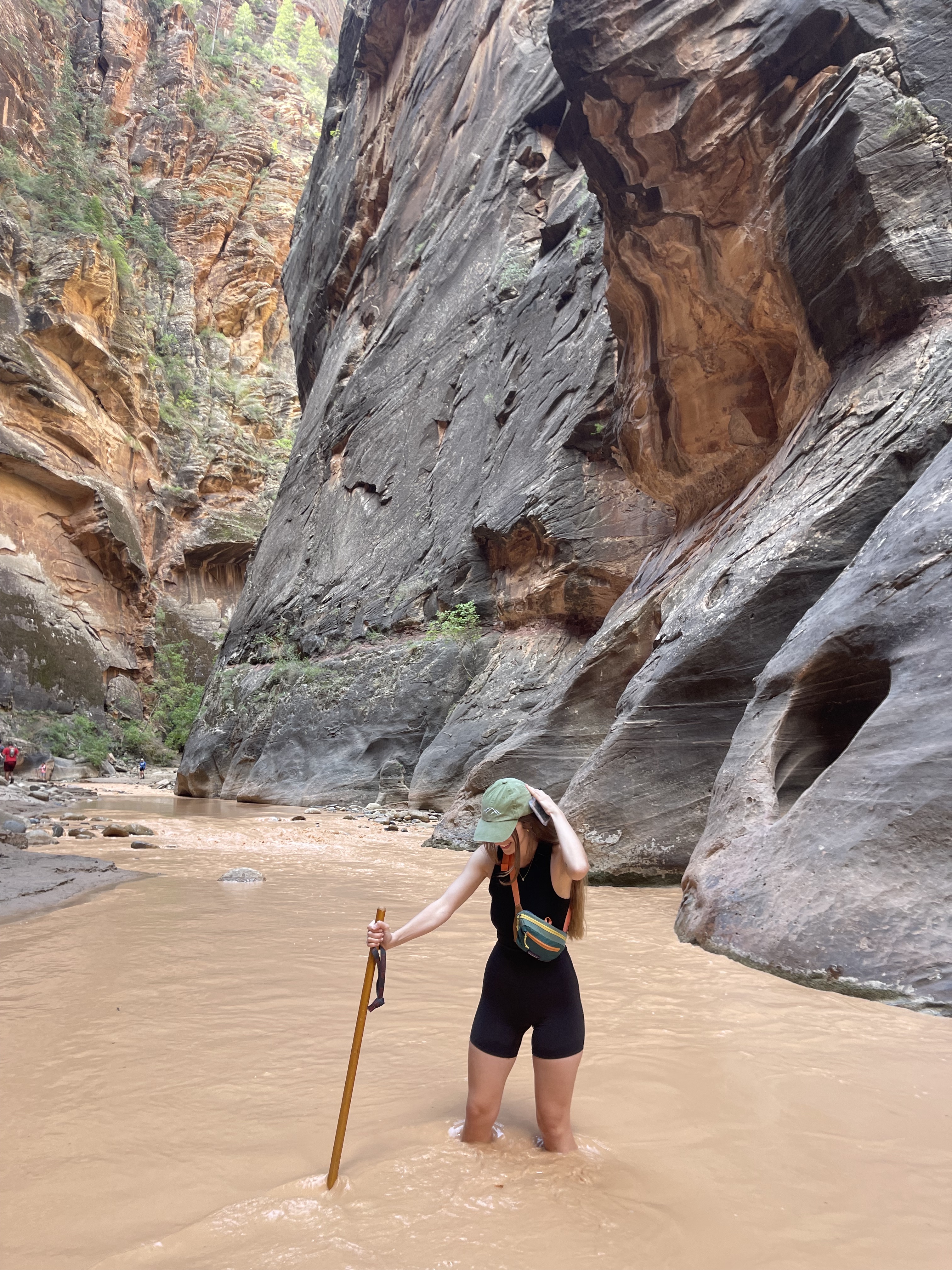
    • The Narrows from top down– the narrows is one of the most incredible hiking experiences within the park! Many visitors hike this from the bottom up (I did!) but if you wish to hike the trail from the top down (16miles total), you’ll need a wilderness permit. Learn more here.
  • Muir Woods, California– requires a parking reservation to access this national monument. Learn more here.

Tips & Things to Know

  • Book the reservations as soon as you are able. On the park’s websites, there will be a time when you are able to book. Some parks allow you to book a couple months in advance, and if you miss out, they reopen more reservations 1-2 days before your visit for additional chance. It can definitely be stressful so I recommend logging on to purchase tickets as soon as the window opens (for example, most tickets become available on the park’s website at 10am).
  • Usually if you book a reservation for a campground within the park, the park counts this as your reservation for timed entry or vehicle reservations, depending on the park. Be sure to check exceptions to purchasing reservation tickets if you have a campground booked in the park.
  • If you can’t purchase timed entry tickets, find ways to experience the park outside of the timed restrictions (i.e., if timed entry reservations start at 6am, enter the park before then).
  • Do some research to determine which areas, activities, and hikes you may want to do that require reservations.