Throughout the last three years, taking a road trip has become Patrick and I’s favorite way to vacation. We’ve seen some incredible places throughout the country and we do so all from our own car, driving across several states. There’s something about long car rides that I love and that make the trip even more memorable because of the journey involved to get to the destination. One of the main reasons we started driving everywhere on our trips was primarily to save money. The expenses on any trip will inevitably add up so it’s helpful to find some ways to reduce cost if that’s your goal! In this guide, I’ll be sharing my tips on how to save and budget money for a road trip.
Budget Tips
Camp
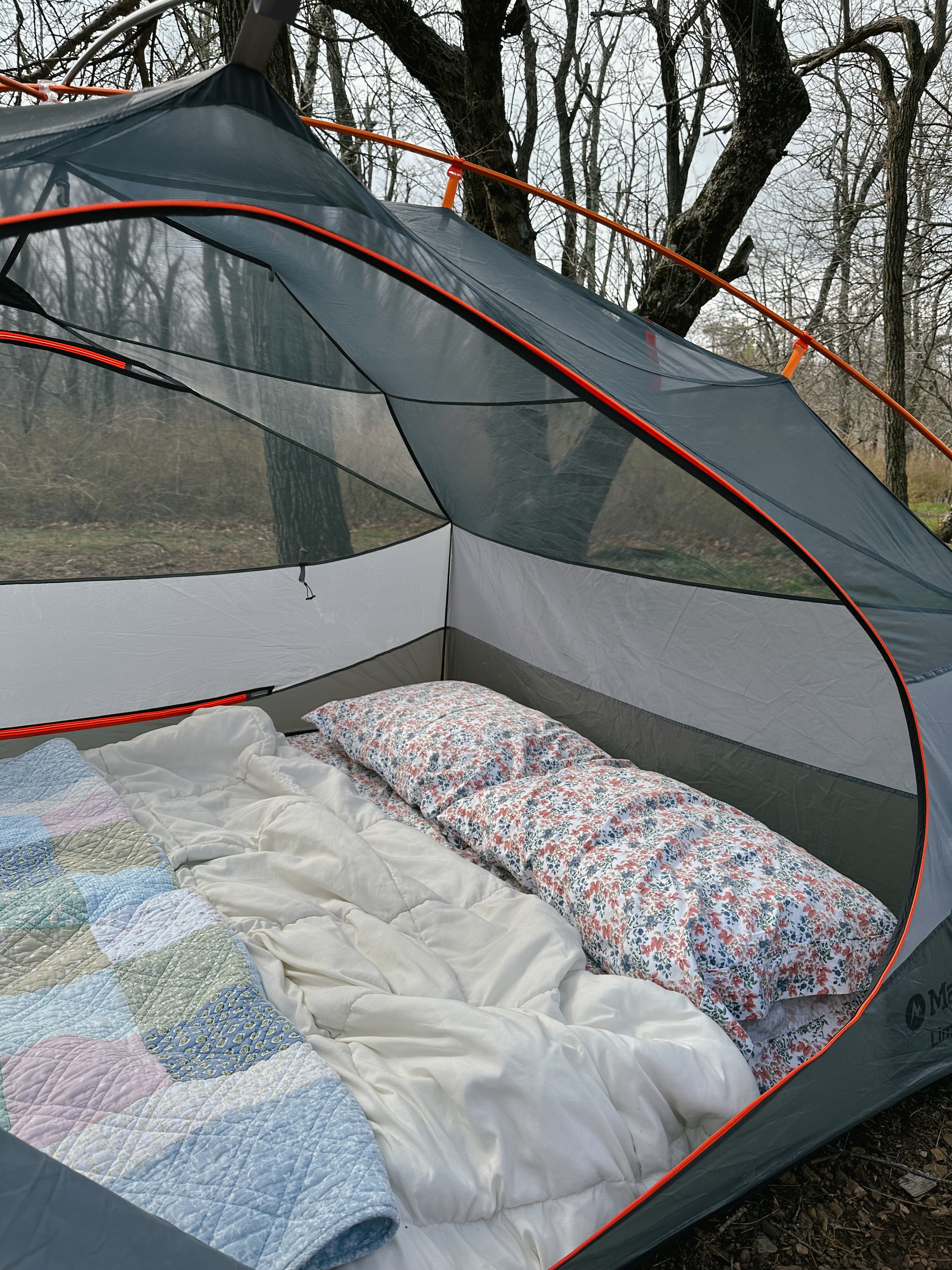
Camping can either be free or much less expensive than other accommodations. I was never a big camper until we started road tripping to various national parks and forests, but now it’s usually all we book when traveling. We found that campgrounds typically charge anywhere from $25-$50 per night which is much cheaper than nightly costs of hotels or airbnb’s! Free camping is also possible too, we’ve had luck finding free campsites by using apps or other online resources. Keep in mind, free camping is definitely different than an established campground, mostly because there aren’t any amenities and it’s all first come first serve. For finding campgrounds or free spots I’d recommended:
For the last three years, we’ve planned a big road trip and one thing that has made the whole experience less stressful was following a packing list. Writing out everything needed for a big road trip from clothes, food, camping equipment, and other necessities made the packing and planning process so much smoother! When following a list, you’re more likely to pack everything you need and not have to buy things along the way. Another plus is you can pack more when driving compared to flying.
Select Budget Friendly Activities
Depending on where you are road tripping to, there will likely be activities you are looking forward to. I’d recommended finding as many free or less expensive activities as possible to save money. If you like national park travel, like me, one of the main things I enjoy are the hikes (which are usually free!). However, depending on where you’re going, there may be activities on your bucket list that do cost something and that’s okay! It’s all about balancing and prioritizing what you want to do and spend money on.
Plan to Make Most Meals
One of the luxuries of road tripping vs. flying is you can pack as many snacks and food items as you want! Making your own meals while road tripping will be a huge cost saver! If you’re planning to stay at hotels, take advantage of free breakfast if offered too. Of course we love to eat out but we usually plan to make majority of our meals + coffee while traveling.
Plan Road Trip Route in Advance
Planning your route in advance will not only save money but also time. It’s a big relief to know the route you’ll be taking, if there are tolls, how many hours til your destination, where you’ll be stopping to sleep, etc. Planning out stops in advance, will make it more likely for you to budget expenses for each spot which can really save money! Another helpful tip is to use navigation (i.e., apple or google maps) to find the fastest route, a route without tolls, if there will be any traffic delays, etc.
Save On Gas
The biggest expense while road tripping is gas. If possible, in the planning process you can consider how many miles per gallon you need to fill up or when you’ll likely have to stop. We’ve used the app gasbuddy too to try and find cheap gas in the areas we’re in. While saving money and budgeting for your trip, keep in mind, gas is something that will add up and that you’ll have to stop for the most while road tripping.
Planning a trip can be overwhelming and stressful at times, especially larger trips. The planning process can take time depending on where you’re planning to go. I always recommended planning early if possible to relieve stress and give yourself plenty of time to make reservations and develop a plan for your trip. If planning in advance isn’t a strength of yours, I’m hoping this guide gives you some ideas to make it a little less stressful!
Where to Start When Planning a Trip
📍Pick your desired destination, the fun part! Sometimes this is easy but if you aren’t sure where you’d like to go, consider what types of activities you’d like to do, if you’d rather relax or adventure, and how far you’re willing to fly or drive to reach your destination.
⏰ Determine timeframe. I like to start the planning process with a general idea of when I’ll be going on a trip. This may be depend on the area you’re visiting and whether there’s a better time to visit or it may be based on your availability. I usually gravitate towards traveling in the summer or fall months, the weather is usually better and there’s more opportunity for activities.
🚐 Decide whether driving or flying makes the most sense. Driving can take more time but it saves you the hassle of having to find a rental car or other means of transportation at your destination. Plus, there’s no limit to what you can bring, if you’re an over packer like me!
🎟 If you have/want to fly, I’d book flight tickets pretty soon after deciding on dates. Similarly, if you decide to drive, plan out any reservations you’ll need for accommodations or tickets needed for various activities.
How to Develop an Itinerary
Once you have a general timeframe decided, know where you’ll be going, and choosen whether to drive or fly, it’s time to start forming an itinerary.
I typically create my itineraries in Notion but any word doc, excel sheet, or even hand written will work fine!
An itinerary can be as detailed as you want it to be! If you feel more confident with a detailed plan of activities and sites to see while on a trip, a list of several things may be better for you. Or, if you’d rather go with the flow on your trip but still resort to a list of ideas of what to do some days, a lighter itinerary may work better. Reflect and be realistic with what will work for you! It is vacation after all so nothing with an itinerary has to be set in stone, it’s really just to have something to guide you, especially if it’s a new destination you’ll be visiting.
I like to list out all the days I know I’ll be on a trip and include:
Where we are sleeping that day
Any “must sees” if it’s a specific area
How much drive time is required between sites
Resturants to try
A collection of hikes, sites, or other attractions I want to visit that given day
On the itinerary, I also include reminders for myself if I need to reserve tickets for an activity or if I should check the weather before committing to a particular activity on a given day, etc.
How to Find Things to Do
I usually always start by browsing on Pinterest to find blog posts or other online sources that others have shared from visiting the area. I love hearing about other’s experiences and gaining a visual of what the area I’ll be visiting looks like. It really inspires me and excites me while planning a trip!
Social media will be your friend. Similarly to Pinterest, I’ll browse instagram, youtube or TikTok to gain video sources of what others did in the area I’ll be visiting to give me ideas.
I also recommend making a list of what you find through research. This will help you keep organized on things you’d like to do and see throughout your trip and then add to the itinerary later.
Tips
Be flexible with plans! Things can change so easily while traveling so even with an itinerary, it’s important to have an expectation that things may not go according to plan and that’s ok! Whenever I’ve gone on a larger trip, there are always changes to plans that happen just depending on weather, crowds, fatigue, etc. In my experience, because I had a list of so many places and activities I wanted to see for a trip, I would sometimes switch days or plans around if needed while on the trip which worked so well and gave me alternate ideas if I needed to be flexible.
I always recommended planning at least 3-6 months in advance, more for ease of mind that things are booked and there’s a plan in place.
Start a check list of packing necessities you’ll need to bring, especially if it’s a big trip. This is so helpful to ensure you don’t forget anything!
If you’re a visual person, I’d recommend adding photos of certain spots you’re excited to see on the trip to your itinerary or planner. I do this and it always helps to see what I’lll be doing and makes me even more excited for the trip to come!
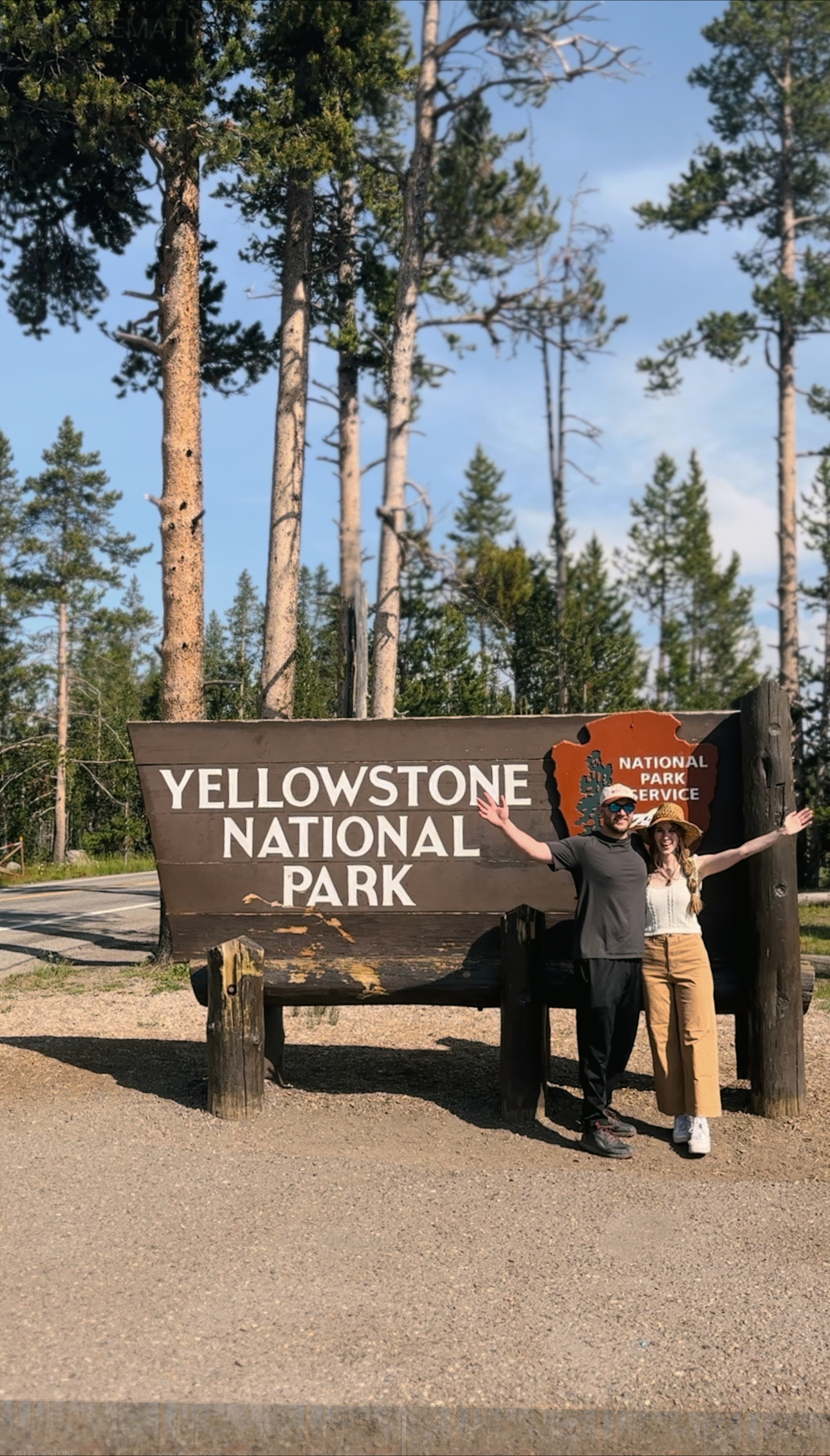
One of my favorite road trips I’ve ever done was exploring the national parks throughout Wyoming. Two of the most popular national parks in the country are also located here, Grand Teton and Yellowstone! These two parks are very close to each other which makes road tripping between the two convenient. In this guide, I’ll be sharing tips I gathered throughout my own experience from visiting these two incredible parks.
Things to Know Before Visiting
Best time of year to visit
It seems like the ideal time of year to visit either of these parks is the Summer or Fall. I also think Spring and Winter would be beautiful, but access to the park may be limited due to snow. By Summer time (May-August) the snow has melted, it’s warmer throughout the day, and the majority of the park is open.
Wildlife
Yellowstone and Grand Teton national parks are well known for their incredible wildlife. It’s important to respect the wildlife you may see by observing from a safe distance. The national park recommends you keep a 100 yard distance from bears and wolves, and 25 yards from bison and other animals. Both of the parks are also home to grizzly bears. And while this can seem scary, usually bears aren’t searching for you. However, if you plan to hike there’s a chance you may see or encounter a bear. If you can, it’s recommended you hike in small groups of three or more and carry bear spray or bells at all times. When we hiked, we also played music on some remote parts. The park also recommends making noise from the bells, music, or by talking to fellow hikers, this way, bears will know humans are in the area and will likely avoid that area.
Where to stay
If you like to camp, there are various campgrounds within the Grand Teton national park as well as free spots to camp for the night as well. Throughout our trip, we stayed at Jenny Lake campground and a few free camp spots I found on Campendium. Throughout the summer months there are also cabins and lodges within the park, check out here. Yellowstone national park also has a variety of campgrounds spread across the park. While we were in Yellowstone, we stayed at Canyon campground and loved it! There was laundry and shower amenities included in the reservation as well which was amazing. If you aren’t a camper, luckily, Grand Teton is close to Jackson Hole which is an amazing town with plenty of overnight accommodations. Similarly, Yellowstone has a variety of lodging options! As always, I’d recommend making any sleeping accommodations as far in advance as you can since the summer is peak season for both parks.
Park passes
I’d recommended buying the America the Beautiful park pass if you plan to visit both parks. Especially if you plan to continue on to other national parks nearby. The pass is $80 and gets you into national parks for a year. Otherwise it’s $35 to enter each park.
What to pack
Hiking shoes. Hiking boots or shoes will work best for the trails and long walks you’ll be taking while visiting both parks.
Hiking poles. These definitely come in handy when hiking up steep trails.
Layers. Even in the summer, the mornings and nights at both parks were chilly.
Backpack. This is handy when hiking or walking around to various sights.
Camera. A phone is great for this but if you do have a camera, bring it along too! There’s so much to capture on film while visiting both parks.
Navigation. I’d recommend downloading maps a head of time, both parks have limited cell service within the park. We love using google maps and park wolfe (free maps of the national parks that don’t require wifi or cell service to see) to navigate routes throughout the parks and AllTrails to download hikes in advance to follow the trail via your phone (helpful if you get lost or turned around on a trail!).
Headlamp. We love our headlamps for early morning hikes or adventures.
Water bottle.
Sunscreen.
Bug spay.
National park passor entrance passes.
Camping or lodging reservations.
Itinerary Outline
Starting the trip will depend on where you are coming from. Since we were driving in from the East, we started our trip at Grand Teton. If you fly in, you can decide which location you’d rather start at (you can’t go wrong either!). For this itinerary, I’ll be sharing things to do in the Grand Teton and Yellowstone national parks based off our experience and I’lll also be adding a few stops and sights we didn’t get to see but I’d recommend!
Grand Teton National Park
Grand Teton national park is one of my favorite parks I’ve visited yet. There’s so much to see and do while visiting and I loved how close the park is to Jackson Hole. We spent about four days throughout the park which I thought was the perfect amount of time, but you definitely could see most highlights in two to three days if that’s all you have.
Must Do’s in the Tetons
Wake up early to catch a sunrise. Grand Teton was my favorite place to watch the sunrise. There was something so magical about the way the Teton mountains changed colors while the sun came up. A few great places to catch the sunrise are:
Mormon Row
Schwabacher Landing
Oxbox bend
Take a drive on the scenic roads within the park. Grand Teton offers two scenic routes, the outer road, also known as Highway 191 and the inner road, also known as the Teton Park road. See the map above for reference.
Inner road pull off spots to see:
Windy point turnout
Teton Glacier turnout
Jenny Lake overlook
Cascade Canyon turnout
Mountain View turnout
Mount Moran turnout
Potholes turnout
Oxbow Bend turnout
Outer road pull off spots to see:
Elk ranch flats turnout
Snake river overlook
Teton point turnout
Schwabacher landing road
Glacier view turnout
Take a hike! The Grand Tetons has some incredible hikes that offer some of the best views! A few hikes I’d recommend are:
Hiking to Hidden falls and Inspiration point. There’s a boat shuttle available you can take from Jenny Lake that drops you right near the trail head to hike up to hidden falls. If you feel up for a longer hike, continue on past Inspiration point and hike towards Cascade Canyon. This is a long hike but it’s worth doing parts of it!
Cascade Canyon. This is a long hike but we were able to hike parts of it and combined it with the Jenny lake loop so we could also see hidden falls and inspiration point like I mentioned above.
Delta lake. This is a stunning but strenuous hike that takes you to delta lake. We attempted to hike this trail but had to turn around after a few miles due to Patrick getting elevation sickness. Make sure you go prepared with plenty of water and snacks as well as giving yourself time to adjust to the elevation in the area.
Taggart Lake. This is a fairly moderate 4 mile hike that takes you to Taggart Lake. The views along this trail were beautiful and gives you another lake to spend time at within the park.
Stop by the Jenny Lake visitor’s center for some park souvenirs.
Drive the scenic Jenny Lake road and take a walk along the lake. This was such a hidden gem! It was such a special view of Jenny Lake, and both times we stopped by, there were barely other people there.
Spend time in Jackson Hole, Wyoming. Such a great town with a fun western vibe!
Drive to the Cotler Bay village area and spend time by the water. There’s also options to kayak or swim here.
Sunrise at Mormon RowOxbox Bend pull off spot along scenic “inner” roadMountain View turnout spot along scenic roadViews along trail towards Cascade CanyonHidden fallsSunrise at Schwabacher landingDowntown Jackson HoleCowboy Bar in Jackson HoleJenny Lake scenic area
Yellowstone National Park
Yellowstone National park is so big, it’s technically in three different states (Wyoming, Montana, and Idaho!). For this guide, I’m recommending things we did on our trip that were mostly in Wyoming. We spent two days exploring but I’d recommend at least three to full experience the park. Yellowstone is divided into two loops: the northern and southern. If you can, I’d recommend spending part of the trip in the north loop and the other in the south loop if you want to cut down on driving time per day. We ended up driving back and forth between the loops throughout our trip and it was doable but more time consuming to get to various points so keep that in mind. For this guide, I’ve divided activities into the north and south loops to make it easier to plan and follow.
Must Do’s in Yellowstone
North Loop must do’s
Drive to Hayden or Lamar valley to watch wildlife. These are two valleys the park recommends that usually have bison and other wild life grazing. We had so much luck at Hayden valley, it was so incredible to see bison up close! We were able to marvel at these beautiful animals for the safe distance within our car. Hayden valley is closer to the Grand Canyon of Yellowstone and Lamar is more north on the northern loop of the park.
Check out the Grand Canyon of Yellowstone. This was one of my favorite experiences while visiting the park, it’s stunning and there are multiple few points to give different perspectives of the canyon. Our favorite few points to check out:
South Rim drive: Artist’s point and upper falls lookout point.
North Rim drive: brink of lower falls, inspiration point, grand view point, and lookout point
Stop by Tower Falls. We didn’t have the chance to see this but I’ve heard it’s a great spot to add on your Yellowstone itinerary.
Drive to see Mammoth hot springs. The lower terrace of the hot springs was so unique and stunning we were in shock. This is a fairly quick stop but I’d say it’s a must see while visiting Yellowstone.
Spend time exploring the Norris Geyser Basin area to see more beautiful geysers and springs. This area is similar to the old faithful area, with boardwalks that lead you to view points of the various geysers and springs.
South Loop must do’s
Stop by Gibbon Falls. Around this area is also the Gibbon river which is a nice spot to fish if that’s your thing!
See ‘Old Faithful’ erupt! This is one of the most popular geysers to see, mostly because it erupts consistently every 60-90 minutes. We used the website, geyser times, to check in advance when the next predicted time frame was for Old Faithful to erupt so we didn’t have to wait too long.
See other geysers and pools in the old faithful area. There’s so many geysers and spring pools in this area connected by boardwalks which make it easy to site see. Some other geysers or pools I’d recommend checking on in this area:
Castle geyser
Daisy geyser
Spa geyser
Morning Glory pool
Grotto geyser
Grand geyser
Beauty pool
Check out the Grand Prismatic spring. This is another iconic spot in the park that is a must see! We drove to the fairy falls trailhead to hike to the overlook which gives you an above view of the spring. The hike to the overlook is about 1.5mile and a bit steep at times, but the view is definitely worth it! There’s also the option of viewing the grand prismatic at ground level, but I’ve heard this angle makes it harder to see all of the vibrant colors.
Watch the sunset. I’d recommend watching the sunset back at Hayden valley, which is what we did, and it was beautiful!
Stop at any ‘Yellowstone General Store.’ While we visited, there were so many of these stores throughout the park that offer restrooms, souvenirs, and food options.
Old Faithful viewing areaSpring poolsBison! Grand Spring PrismaticMammoth Hot SpringsGeyser poolsGrand Canyon of YellowstoneExploring geysers and poolsMorning glory Bison at Hayden Valley
Over the summer, Patrick and I explored four national parks within a two week road trip. It was definitely one of my favorite trips we’ve ever taken so I wanted to share the itinerary I created. Of course with any big trip, plans can change so we didn’t get to everything listed on this itinerary, but most! I’m mentioning it here to give various ideas if you are planning a similar trip! We wanted to have options and back up plans which is why some days are packed. Combining these locations across a two week trip is convenient and makes for a perfect road trip! I mention the campgrounds we stayed at for reference and those that I’d recommend. Keep in mind, most campgrounds within the parks book up quickly, typically up to 6 months in advance so be prepared if you plan to camp! We also used the app campendium to find free campsites.
Check out my other blog posts to prepare and plan for a national park trip if you are looking for more tips.
Badlands National Park & Wall Drug Store, South Dakota
day one 🚐
After driving in from the East, we officially started our trip in South Dakota with the intent of spending time in Badlands National Park. We only planned for one full day within the park and while we could stayed for longer, it was doable to see most highlights within a day.
Badlands highlights in one day:
Take a picture at the Badlands national park sign upon entering the park
Stop at big badlands overlook
Hike notch trail (1.3mi) *be sure to get here early if you want to experience this hike with less people!
Hike window trail (.3mi) same parking lot as notch
Hike door trail (.8mi) same parking lot as notch
Stop by visitor’s center
Drive badlands loop road and view overlooks
yellow mounds
pinnacles overlook
On the way out of the park, stop by Wall Drug store and check out some iconic historical highlights:
free ice water
5 cent coffee
Drive to Center Lake campground (1.5 hr from wall drug)
We spent four days in Grand Teton national park. This was by far one of our favorite parks we’ve ever been to. Since there’s so much to see and do between the park and the nearest town, Jackson Hole, I’d allow at least three days to fully explore. To save a little money, we stayed at a free campsite for a couple nights before going to a campground. The free campsites in the area are primitive and aren’t reservable so there’s no guarantee you’ll find a spot each night which can add stress, but the benefit is it’s a safe and free place to sleep!
Sunrise at schwabacher landing (wear layers in the early mornings, it’s cold even in the summer!)
Drive into Jackson hole and stop by cowboy coffee for coffee and breakfast
Drive along the Teton park road and see outlook areas for wildlife:
Oxbow Bend Turnout
Cascade Canyon Turnout
Teton Glacier Turnout
Glacier View Turnout
*Schwabacher Landing
Teton Point Turnout
Snake River Overlook
Elk Ranch Flats Turnout
Stop at visitor’s center
Spend time exploring Jackson Hole
Dinner in town: hand fire pizza
🌛 Upper Teton View – Toppings Lake Dispersed Campsites
Sunrise at schwabacher landing
day four 🏔
Watch sunrise at mormon row
Hike to Delta lake (9 mi roundtrip) via lupine meadows access
We unfortunately didn’t get to finish this hike because Patrick got altitude sickness in the middle of the hike! Learn from our mistake and prep yourself with plenty of snacks, water, and time to adjust to the altitude in the area before taking on a big hike.
Drive along scenic highway and stop at pull off spots
our favorite was mountain view turnout :)
Sunset at schwabacher landing
🌛 Upper Teton View – Toppings Lake Dispersed Campsite
🚿 Showers are available at Colter Bay, Signal Mountain, and Headwaters at Flagg Ranch.
Mormon row at sunrise
day five 🥾
Wake up early to hike parts of cascade canyon (we started at string lake)
Yellowstone National Park, Wyoming, Montana, Idaho
day seven ⛲️
We spent a day and a half exploring Yellowstone. We definitely could have spent much more time exploring, Yellowstone is massive! However, we were able to see some nice highlights throughout our short but sweet time in park. One thing to note about Yellowstone is you will spend a lot of time driving to various spots (especially if your time is limited like ours was) but the views while driving are stunning and worth being in the car!
Drive to Yellowstone NP (2 hr from Grand Teton)
Explore the old faithful area
See old faithful erupt (you can look up predicted eruption times online) this iconic geyser does erupt every 60-90 minutes!
Walk along boardwalks to see other geysers and pools in the area. Some of our favorites:
Castle geyser
Daisy geyser
Spa geyser
Morning Glory pool
Grotto geyser
Grand geyser
Beauty pool
Stop by visitor’s center
Drive to grand prismatic spring and hike to overlook (1.5mi)
Wake up early and drive to Hayden valley to watch bison! (our favorite experience in the park)
Drive to see the Grand Canyon of the Yellowstone and stop by various look out points:
park in South Rim Rd to see view with Artist Point
drive to North Rim Rd to see lower Lookout Point
drive down the road to Grand View
inspiration point to see a farther view
Drive to Lamar valley to view more wildlife. We unfortunately didn’t see many bison in this area due to the construction occurring in the park at the time.
Drive to see mammoth hot springs to see minerva terrace
Drive to camp for dinner
Catch the sunset back at Hayden valley (we ended up seeing a bison herd commuting to find a place to rest for the night, such an amazing experience to witness).
🌛 Canyon Campground
Bison in Hayden valley
Glacier National Park, Montana
We ended our two week road trip with our last few days in Glacier national park. This part of the trip offered us some of the most incredible views we’ve ever seen! Glacier is extremely popular and crowded so it requires advance planning to ensure you book vehicle reservations (needed during peak season) and campgrounds. During peak season, the park is separated into four sections that require reservation tickets to enter during designated time periods as an attempt to limits crowds. More information on this can be found on the park’s website. Also, be sure to have bear spray on every hike in Glacier!
day nine 🚐
Drive to Glacier national park (7 hours from Yellowstone)
Walk the trail of the cedars nature trail (1mi loop) continue hiking to avalanche lake (4.5 mi round trip)
Drive and stop along the ‘going to the sun’ road
Stop to see look out points along the way to take pics:
The Loop– Hair pin turn on the road that allows views of stunning mountains
Weeping Wall– Named after a cliffside that has water dripping from snowmelt onto the road and your car!
Big Bend – Located just after the Weeping Wall, the best spot for photos or to watch the sunset :)
Logan Pass – The highest point on the road, also where the visitor’s center is located
Jackson Glacier Overlook– Pull off area to view Jackson Glacier
Saint Mary Falls – Trail head for Saint Mary Falls starts at this pull off
Wild Goose Island – Stop here to get a photograph of the famous island in the middle of Saint Mary lake!
Rising Sun– Cute area to stop in for a restroom break or snacks
Get huckleberry ice cream as a reward!
Check into camp
🌛 Fishcreek campground
Avalanche lake!
day eleven 🏔
Wake up early to drive to logan pass visitor’s center to hike the high line trail (parking lot here fills up extremely quickly!)
Hike the high line trail (~14 mi round trip)
Due to extreme rainy and snowy weather conditions, we weren’t able to finish the entire hike but it was still one of the best experiences we had while visiting the park! We were hiking within the clouds at times! These kinds of weather conditions are typical while hiking in higher altitude, be sure to check the weather before hiking in some areas.
The high line trail is definitely worth trying even if you only plan to hike for a few miles, the views are incredible!
Stop by lake McDonald and go for a swim to relax after a long hike.
🌛 Fishcreek campground
Views along the highline trail
day twelve 🥞
Sleep in and enjoy breakfast at camp
Drive to Polebridge area of the park
Explore the area, check out the Polebridge general store (super cute and has amazing pastries!)
Drive back up to the going to the sun road to explore pull off areas
Watch sunset at big bend
🌛 Fishcreek campground
Big bend stop along the ‘going to the sun’ road
day thirteen 🥾
Drive to logan pass visitor’s center to park
Hike to hike hidden lake overlook trail (2.7 mi)
We were only able to hike to the overlook area and not down to the lake due to bear activity. Be sure to look up park closures in advance before planning certain hikes!
Drive to the Many Glacier area
Explore and stop in the Many Glacier hotel
Hike the grinnell glacier viewpoint trail (10 mi roundtrip)
After a long last day of exploring and hiking, get some huckleberry ice cream!
Our road trip this summer started with some time in South Dakota. As someone who has never visited South Dakota, I was surprised by it’s beauty and unique features throughout the state. We planned to spend our short time in South Dakota stopping by Badlands National Park, the iconic Wall Drug store and Mount Rushmore before moving on to Wyoming. Combining these three destinations within two days worked out well for us before moving on to other parks. Here’s an overview of how we spent time in South Dakota.
Badlands National Park
Badlands is a park that truly surprised me! From the highway, this area of South Dakota seems pretty rural and green but as soon as you enter the park, there are desert like features and stunning badlands. Badlands is a small park but it did offer a lot of activity and sites to see in our short visit.
Things to do:
Check out the visitor’s center.
Hike the Notch trail. This trail is beautiful and offers a fun ladder to climb partially through the hike. Unfortunately we didn’t get to hike the entirety of this trail due to crowds. We made the mistake of trying to hike this mid day and once we reached the ladder, there was a huge line.
Hike the Window and Door trails. These are short trails along boardwalks that take you to a beautiful opening of more badlands.
Drive along the scenic road within the road. The road that takes you through the park is the scenic road and there are several pull off areas to stop to enjoy more badlands views.
Badlands overlookDriving along the scenic roadBadlands overlookBadlands overlookThe notch trailEntering the park
Wall Drug store
I didn’t know about Wall Drug until I started researching things to do in South Dakota. This is a huge tourist attraction about 15 minutes from Badlands National Park. The day we drove into South Dakota, we started seeing signs and billboards for Wall Drug 3 hours out! Although it’s a tourist stop, it was definitely a fun experience and I’d recommend stopping. The whole place feels western and old fashion which is part of the charm. Wall Drug is famous for it’s 5 cent coffee and free ice water which was historic years ago for travelers passing through.
After exploring Badlands and Wall Drug, we drove about an hour and a half to a campground in Custer State park, Center Lake campground, to be closer to our next destination. This was a wonderful campground for the night and the best part was we were only 30 minutes from Mount Rushmore!
Wall Drug5 cent coffeeFree ice waterThe original drug store frontMenu at cafe Souvenir shopping
Mount Rushmore
We woke up bright and early to visit Mount Rushmore before the crowds. If you can, I’d highly recommend this. We arrived around 5:30am and were one of the only ones visiting the monument. It was so peaceful and relaxing to experience this iconic monument without having to fight crowds. We spent a lot of time taking photos before walking the presidential trial. This trail is a little less then a mile and well paved with boardwalks and steps that give you an up close view of the monument. There’s also the sculptor’s studio along this trail that gives more information about the building process, practice sculptures that were built and the overall history of the monument. Since we were there so early this was closed (opens at 8am) but I would have loved to explore this part as well. Keep in mind, the monument itself is free to visit, however, it does cost $10 to park.
Mount Rushmore after sunriseOne of the only ones there this earlyPolaroid shot of monumentSculptor’s studioUp close view along Presidential trailPresidential trail
There is so much to see throughout South Dakota and I wish we would’ve had more time. Wind Caves National Park is also extremely close to this area too if you want to add another stop along the way. If you’re short on time like us or just passing through, these three stops are must sees!
Planning a trip to a national park can feel intimidating when there’s so much to plan for! Although a trip to a national park could be planned last minute, from experience I’d recommend planning well in advance to guarantee more options and less stress. Throughout the last two years, most of my trips have been to national parks. I’ve learned so much about the planning process and wanted to share some tips. This summer I’ll be going on another cross country road trip to visit 4 more national parks and these are the tips I followed to help us plan another amazing trip!
My Tips
If you’re planning to stay at a campground, be sure to book at least 6 months in advance for most national parks. This is the number one tip I have. Many people want to guarantee they will have an accommodation well in advance from their trip, especially during busy season which is usually summer. We are going to Glacier National Park this summer and I booked the campground for us in January (!). If planning this far in advance isn’t an option, most national parks do save ‘first come first serve’ spots at campgrounds but it is generally competitive. This tip could also apply to hotels or other accommodations near a national park.
Similar to tip one, if you’re planning to stay at a campground do some research on the area you’d like to be in. The campgrounds in most national parks are spread out and not necessarily close to popular sites and trails. If this is important to you, you’ll want to try and book the most central campground in the park, which no surprise, is usually the campground that fills up the fastest!
Take time to plan out hikes or other activities you’d like to do. Each national park has their own website that highlights the hikes within the park, campgrounds, historic sites, and other activities. If you plan to do a lot of hiking, I’d suggest mapping out the trails you’d like to do. On the website, you’ll find how long each hike is and the difficulty level (which is important to be aware of beforehand).
Research other reservation requirements. Since the pandemic, several national parks have been requiring additional vehicle timed entry reservations or reservation passes for popular sites to reduce crowds. As of this year, many popular national parks are still enforcing this and it’s important to know in advance because it’s not possible to get a reservation on site. I discuss the vehicle reservation system in some of my national park posts, there are ways around this if you’re unable to get a pass in advance. These requirements will be clearly listed on each park’s website.
Look up trail statuses on the national park’s website. As I mentioned earlier, each national park has their own website and updates are posted daily. This is particularly helpful if you’re going to a park with lots of wildlife, or drastic weather changes. Sometimes trails close if there’s too much wildlife activity or due to weather conditions. Speaking from experience, it’s better to check before hand or else you’ll arrive at the trail feeling disappointed!
If you plan to visit multiple national parks in one trip, I’d recommend investing in the America The Beautiful pass, it’s $80 and gives you access to any national park for one year! Most national parks cost $35 for entry so the pass will definitely pay for itself if you have plans to visit more then one park within a year!
Pack extra layers. This is a tip I learned from experience, even if you’re visiting a national park during the summer months, I found most nights or early mornings were still chilly, especially if you’re hiking in higher elevations! The climate definitely changes the higher up you hike.
Arrive early to trailheads. Popular hikes within a national park become very crowded! I’d suggest arriving to most trailheads before 7am if you’d like to explore without crowds. This is also beneficial for securing a parking lot at a trailhead as these fill up quickly too depending on the popularity.
Last Summer, I went on my first cross country road to explore five different National Parks within Colorado and Utah. Traveling from Ohio, I knew very little about States out west and I spent several months doing research, making reservations in advance, and planning out a two week itinerary for my boyfriend and I. This trip included time in the Rocky Mountains National Park and time within Utah exploring 4 out of the 5 National Parks in the state. If you’re planning a similar trip, I hope this itinerary I developed is useful or gives some ideas to add to your own road trip itinerary!
Two Week Itinerary
Day One: Travel Day
Since we were traveling from Ohio, we decided to break the drive out to Colorado into two days. We stopped in Nebraska on our way after about 13 hours of driving. We found a hotel near Omaha, NE for the night.
🌛 Hotel in Omaha, NE
Day Two: Travel Day
On our second day, we left Omaha bright and early for a 7 hour drive to Boulder, CO. Once we arrived in Boulder we spent time walking around town and exploring Pearl St. which is an iconic spot in downtown Boulder that features fun shops and restaurants. My favorite part of this day was spending time at a free campsite we found just outside of Boulder, CO. This campsite was about an hour from downtown Boulder and 45 minutes to Rocky Mountains National Park.
Tips:
I found all of our free campsites off the Campendium or freecampsites.net
We purchased the America the Beautiful National Park pass which was $80 and covers entrances to all National Parks.
🌛 Beaver Reservoir Dispersed Camping
DayThree: Rocky Mountains National Park
On day three, we woke up bright and early to enjoy sunrise at our campsite before heading into Rocky Mountains National Park. On our way into the park, we stop in downtown Estes Park for some breakfast. We found Kind Coffee which was definitely a favorite stop of ours! After some coffee and breakfast we spent our first day hiking in the Bear Lake area and hiked to Bear, Nymph and Dream lakes. After hiking in this area, we stop at the visitor’s center and explored more of Estes Park. For the next two nights we stayed at one of the campgrounds in the Park, Glacier Basin.
Tips:
I wrote a blog post about our experience in RMNP if you’re looking for an in depth guide, read here.
Campground reservations can be made 6 months in advance, so if you know your dates book as soon as you can!
Rocky Mountains National Park requires a vehicle reservation to enter the park during certain hours. I discuss this in depth in my post dedicate to RMNP.
🌛 Glacier Basin Campground
Day Four: Rocky Mountains National Park
Our second full day in RMNP was a busy one! We spent our entire morning hiking to Mount Ida. From the Glacier Basin campground, this trailhead is about an hour away. The best part about the drive there is driving along the iconic Trail Ridge Road which is the highest highway road in the country! It was incredible to experience the views and the road during sunrise. We saw so much wildlife and almost had the entire road to ourselves since it was so early. To hike Mount Ida, you can park at Milner Pass parking lot. This hike was a strenuous 9 mile hike but the views were some of the best I’ve ever seen! After this hike, we went into town to take a shower. We found a local laundry mat that had showers for visitors that cost $4. That evening we had dinner in town at the Bird & Jim, which was delicious!
🌛 Glacier Basin Campground
Day Five: Travel Day
We were pretty exhausted after a long hike the day before so we slept in and took our time leaving Colorado. We stopped in Estes Park for the last time and got another cup of Kind Coffee before starting a 6 hour drive to Moab, UT. We planned to car camp once we arrived to Moab and we were surprised to find several camping areas off the main road that were first come first serve. We picked the first one we could find which was Upper Big Bend Campground and paid $20 for a spot that night. This night was extremely hot compared to the nights we just experienced in Colorado. The campsite we chose was about 15 minutes from Arches National Park which was super convenient.
Tips:
I have a blog post dedicated to our time in Arches National Park with more details of our experiences, read here.
Arches National Park requires a vehicle reservation to enter the park during certain hours. I discuss this in depth in my post dedicated to ANP.
All campgrounds in the area we stayed were $20 per night for a camp spot.
The campgrounds off the main road that we found had no running water, no showers, and no flush toilets.
Moab, UT is known as boondocking country, meaning there’s a lot of free camp spots surrounding Moab! Check out Campendium or freecampsites.net to find a free spot. Most are quite a drive from the park which is why we decided to pay $20 to be close.
🌛 Upper Big Bend Campground
Day Six: Arches National Park
We woke up around 3:30am tired but excited to drive into Arches National Park for the day. We drove to Delicate Arch trailhead to begin a sunrise hike to this iconic arch. It took about an hour to hike to the top and we made it just before the sun started to rise. Delicate arch is incredible in person and much bigger than I imagined. We spent a couple hours admiring Delicate Arch before hiking back down. Afterwards, we explored more Arches in the park. It was extremely hot so we didn’t last long out in the heat. This night we ended up booking a hotel room to escape the heat and it was definitely worth it!
🌛 Scenic View Inn and Suites Moab
Day Seven: Arches National Park/Travel Day
We slept in and explored downtown Moab before heading back into Arches National Park. We spent some more time driving through Arches National Park admiring Arches from a distance and stopping along viewpoints. We also took some time to explore Park Avenue which was one of the coolest spots we visited in the park. Afterwards, we prepared for a 4.5 hour drive to Bryce Canyon National Park. Once we arrived, we stayed at a free camp spot, Tom’s Best Spring Dispersed Camping which is about 15 minutes from the park.
🌛 Tom’s Best Spring Dispersed Camping
Day Eight: Bryce Canyon National Park
We only planned for one day in Bryce Canyon so we woke up early to make the most of our time. We started the morning at Inspiration Point for sunrise, this was an incredible spot but I imagine any spot in the park is amazing to watch sunrise. After sunrise, we drove to Sunset Point to hike the Navajo and Queen’s Garden loop trail. This was the perfect hike to do with only a day in the park. We were able to see the highlights of the park and spend time admiring all of the hoodoos! We ended the day by driving to Zion National Park which was a 2 hour drive.
Once we arrived in Zion, we went to Zion Outfitters to pick up rented gear for the Narrows hike. We then went to a free camp spot we found but ended up booking a reservation at Gooseberry Lodges last minute due to extreme heat temperatures and a thunder storm that was predicted. This was a great decision and gave us a comfortable place to sleep each night while visiting Zion. Gooseberry Lodges offer small private cabins for an affordable price and the location is about 45 minutes from the park.
Tips:
I have a blog post dedicated to our time in Bryce Canyon National park, read here.
Tom’s Best Spring Dispersed Camping was an awesome free spot, the spaces were spread out and there was cell service which was a first!
I have a dedicated post to our time in Zion, read here.
🌛 Gooseberry Lodges
Day Nine: Zion National Park
Our first day in Zion was a full day! We started the day bright and early with a sunrise hike to Canyon Overlook which was one of my favorite memories, the views from this one mile hike were amazing. Afterwards we drove into Springsdale which is the closest town to Zion and got breakfast sandwiches from Deep Creek Coffee. Our next hike was The Narrows which was one I was most looking forward to as we planned our trip. We had already picked up our gear the night before which saved time. We got on the shuttle near the visitor’s center to begin our hike to The Narrows and got off at shuttle stop #9. We spent about 4 hours hiking in the Narrows. That night, we ordered dinner from a local spot near our cabin and enjoyed some time out by the fire after a long day of adventuring!
Tips:
During busy season, Zion requires visitors to use their shuttle system to access most trailheads. The shuttle is free and the easiest spot to pick up the shuttle is at the visitor’s center.
Canyon Overlook is one of the only areas you can drive in your personal vehicle to get to.
I would definitely recommended renting the gear if you plan to hike the Narrows.
🌛 Gooseberry Lodges
Day Ten: Zion National Park
On our second full day in Zion, we planned to hike to Observation Point. This hike offers one of the best views in Zion and a lot safer then Angel’s Landing! Be sure to read my blog post about Zion if you’re planning to hike to Observation Point as there’s a lot to know in advance. After an afternoon hike to Observation Point we spent the rest of the day walking around Springsdale, souvenir shopping and catching up on laundry.
🌛 Gooseberry Lodges
Day Eleven: Travel Day
We slept in and drove into Springsdale to stop at our favorite coffee shop one last time, Deep Creek Coffee. Our last National Park on this road trip was Capitol Reef National Park, which is about 3.5 hours from Zion National Park. The drive to Capitol Reef from Zion is a bit boring and as you enter the nearby towns to Capitol Reef, it feels like you’re in a Western movie. Capitol Reef is quite literally in the middle of nowhere so restaurants and shops are very limited. Since we arrived to the park later in the afternoon, we didn’t hike but spent time exploring the scenic drive which is about 8 miles one way to Capitol Gorge. This is a historic drive that offers stunning views of the park, definitely a must see. After a long day of traveling, we checked into our hotel for the next two nights, Capitol Reef Resort.
Tips:
I wrote a separate blog post about our time in Capitol Reef that provides more information about our time in the park, read here.
🌛 Capitol Reef Resort
Day Twelve: Capitol Reef National Park
Our first full day in Capitol Reef was actually my birthday so I picked the activities we did this day! I was most looking forward to hiking to Cassidy Arch which is an iconic spot in Capitol Reef. The hike to Cassidy Arch was tough but definitely worth the view at the end. Afterwards, we explored the fruita district of the park and stopped by Gifford Homestead for fresh pies, which were amazing! We also planned to hike the grand wash trail which is another popular spot in the park, but due to extreme heat temperatures we only hiked the beginning on this trail before turning back.
🌛 Capitol Reef Resort
Day Thirteen: Travel Day
We woke up early and enjoyed breakfast at the hotel before leaving Capitol Reef. We started our trip back to Colorado with a plan to stop in Vail, CO for the night. Vail is about 5.5 hours from Capitol Reef National Park. This trip felt longer than other days, most likely due to general exhaustion from a long road trip! Once we arrived in Vail, we camped at Camp Hale Memorial campground. This campground was stunning and so scenic and quiet. It truly was the perfect way to end our road trip. This campground was about $30 for the night and it was available to reserve in advance but when we arrived there were plenty of empty spots available as well.
🌛 Camp Hale Memorial Campground
Day Fourteen: Travel Day
From Vail, CO we woke up around 4am to drive towards Des Moines, IA for our stopping point. We drove about 12 hours to get to a hotel for the night. We arrived around dinner time and ordered in food at a nearby restaurant and went to bed early to prepare for another long travel day!
🌛 Hotel near Des Moines, IA
Day Fifteen: Travel Day
We left Des Moines bright and early and headed back towards Ohio which was about an 10 hour drive. We arrived home mid afternoon after a long two week road trip! This road trip gave me some of my best memories and it was definitely worth all the early mornings, days without service, heat exhaustion, and long days in the car.




 skylarbeck.com