Tips On How To Prioritize Travel

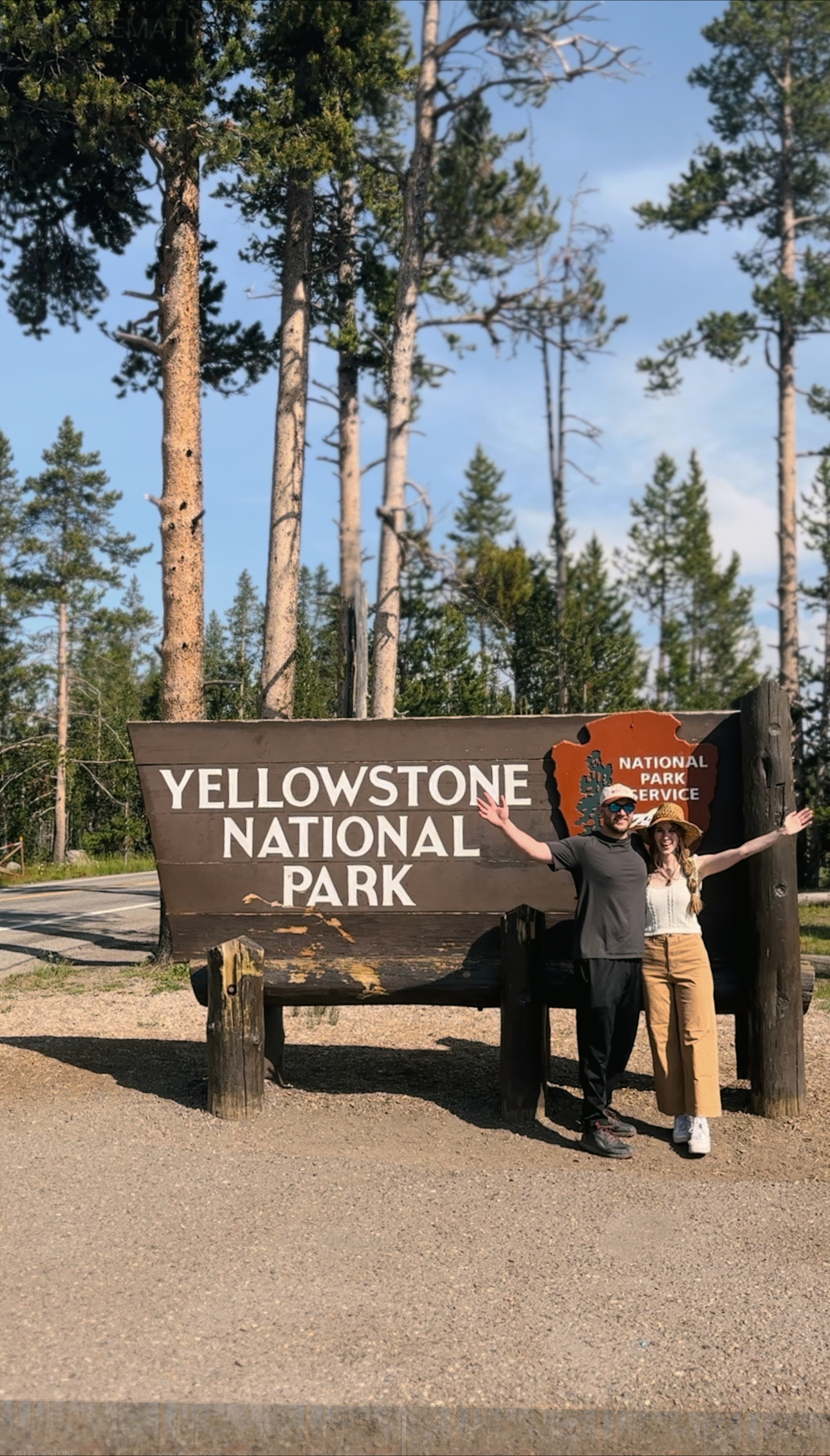
Traveling is something I love because it brings so much to my life and has introduced me to so many amazing places. For the last decade, I’ve made travel a priority in my life even when I’m working full time and balancing other life needs. I truly believe it’s possible and I wanted to create a small guide of some tips on how to prioritize travel for those who would like to travel more in the new year or make it more of a priority.

My Tips

  1. Start close. I would recommend starting with a destination that’s close to your home town if traveling often is new for you. Travel is really whatever you want it to be! Exploring somewhere an hour away could still be exciting and new.
  2. Go on a weekend trip. One of the best ways to start traveling is to plan a weekend trip. Patrick and I love to go away for the weekend and usually are willing to drive up to 6 hours away but even 1-2 hours away, makes for a great weekend getaway! This kind of trip is fun because it’s nice to explore other areas within your home state or a neighboring state. I find weekend trips to be worth prioritizing because it’s a fun way to end the work week and reset yourself before a new week.
  3. Make a list of trip destinations. At the start of every year, Patrick and I like to sit down and plan out some trip ideas we have. This usually includes weekend trips and a longer trip. It gives us something exciting to look forward to and it always helps make travel plans a priority because it’s something we are preparing for.
  4. Create a budget friendly plan. We like to camp which saves some money and we also enjoy outdoor activities which are usually free. We also always drive to our trip destinations within the U.S. Traveling in this way, helps the cost and preparation required which seems to make it more likely for us to plan several trips per year. Additionally, staying with family or a friend while exploring a new area is another great way to save some travel costs.
  5. Start planning early! One of my favorite traditions has become our annual two week road trip that we’ve prioritized for the last four years. There’s a lot of planning that goes into these kinds of trips but because we plan in advance, it creates less stress and makes it a priority for the year.
  6. Create a travel fund. Patrick and I both have a travel fund we contribute to regularly that makes it more manageable to save for trips each year. It really helps make the planning process more realistic and affordable.
  7. Take a day trip. Even if going far away isn’t realistic right now, take some time to explore an area near home that wouldn’t require an overnight accommodation. A day trip is still worth prioritizing and romanticizing! I guarantee there are some fun activities or attractions nearby your home that could be done in a day trip.
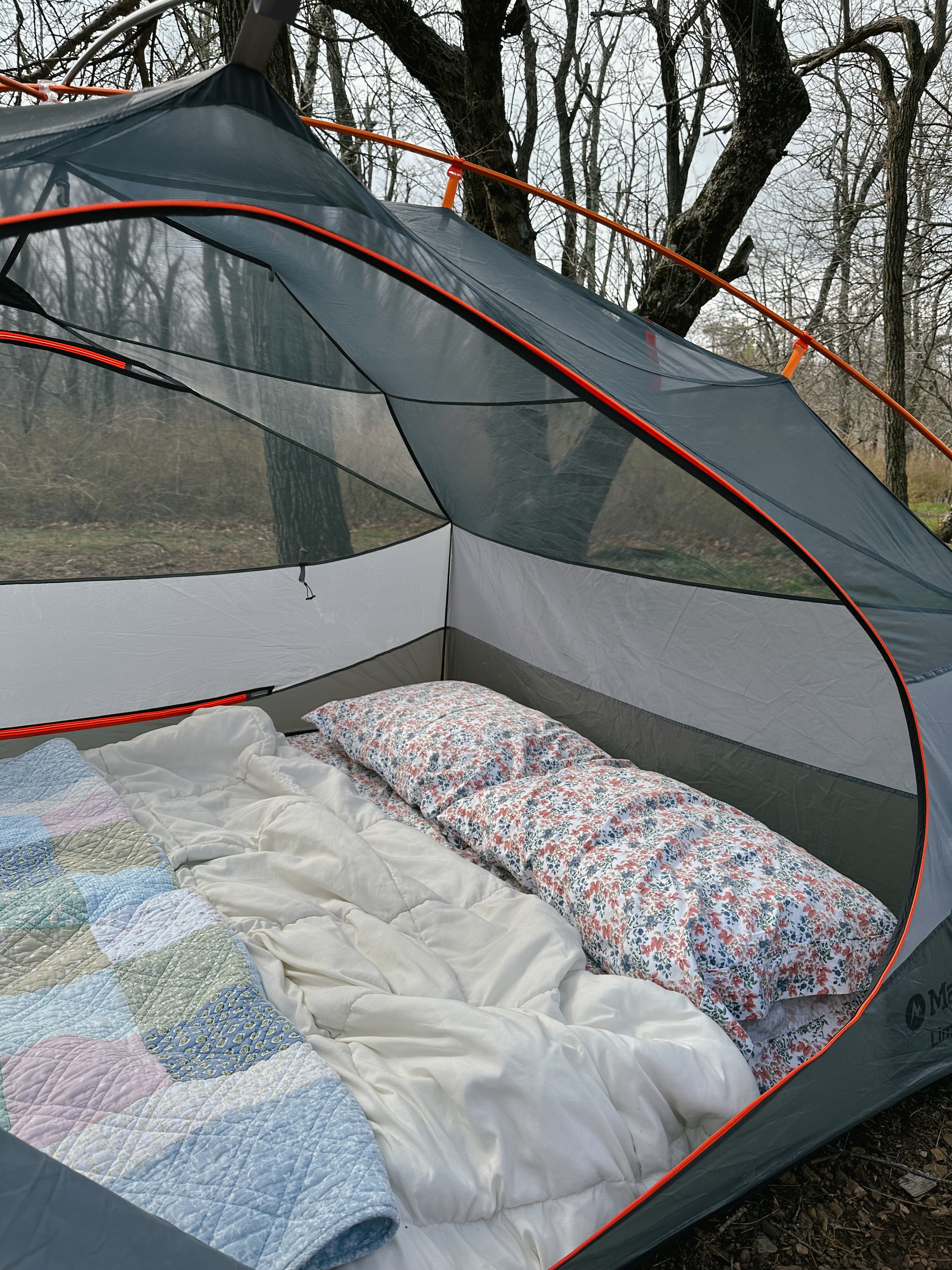
Camping is one our favorite budget friendly ways to travel

Where to Start with Trip Planning

Planning a trip should be fun! I recommend starting with a list of places you’d love to go to, this could be bucket list places or places close to home. If a big and far trip is possible, definitely go for it! If you’re looking for starting off slow, I’d recommend pulling up a map and looking around the areas that are closest to your home. This could be neighboring towns, neighboring states, or a place that are within driving distance of a few hours. Once you’ve selected a spot you want to visit, the planning can begin!

Looking For More Tips? Check Out Some Of My Other Posts:


Tips on How to Plan a Trip

Planning a trip can be overwhelming and stressful at times, especially larger trips. The planning process can take time depending on where you’re planning to go. I always recommended planning early if possible to relieve stress and give yourself plenty of time…

How To Take a Road Trip on a Budget

Throughout the last three years, taking a road trip has become Patrick and I’s favorite way to vacation. We’ve seen some incredible places throughout the country and we do so all from our own car, driving across several states. There’s something about…

Camping Essentials for Beginners

I still consider myself new to the camping world. Before I met Patrick, I could count on one hand the amount of times I had camped. Camping became more frequent in my life when Patrick and I started traveling to national parks…

Camping Essentials for Beginners

I still consider myself new to the camping world. Before I met Patrick, I could count on one hand the amount of times I had camped. Camping became more frequent in my life when Patrick and I started traveling to national parks and forests and wanted a budget friendly way to sleep. Although it was an adjustment at first, I can now say, it’s one of my favorite ways to travel.

Since I’ve learned a lot from experience the last few years, I thought I’d share some camping essentials I’d recommend if you’re just starting out or if you’d like to camp more.

Camping Essentials

🏕 Tent: Having a tent is an obvious essential while camping! Although we’ve done our fair share of car camping, tent camping is more spacious and there’s better air ventilation. We recently invested in a new tent, REI base camp 4 and I’m so excited to test it out on our next camping trip.Before we were using the marmot limelight and loved it! Either are perfect options for first time campers. I’d recommend doing some research when picking a tent, it’s important to find a tent that will be durable and hold up during weather conditions.

🧊 Cooler for food storage : Having a cooler for your food is a must especially if you’re planning to camp. I’d recommend a basic cooler like this one for a weekend camping trip.

🍳 Cooking Prep: The convenience of cooking your own food while camping is so important! We love our Eureka stove, it’s perfect for cooking any meal and storing it easy! Having your own stove is also ideal if a campsite doesn’t have a stove top over the fire pit. We also use a pots and pan set from stanley and have enjoyed the easy set up of this equipment.

🛏 Sleep Prep: If you want something more than a sleeping bag while tent camping, I’d recommend a mattress! While camping we’ve tried an air mattress, a trifold mattress, and sleeping bags. For the last three years, we’ve been consistently using a full sized trifold mattress that fits well in our tent and car. We’ve learned throughout the years how essential proper sleep gear is while camping and it’s definitely worth the extra money! I’d recommend doing some research to determine what would be most comfortable for you.

🛋 Lounging: While camping, it’s also important to consider the gear you’ll use outside of your tent for relaxing. We love our camp chairs from Woods, they are so big and cozy, perfect for relaxing by a camp fire!

💧Water Jug: It’s important to have plenty of water while camping. We like to carry a water jug, especially during our longer trips. Most campgrounds and national parks also have water fill up spots which comes in handy if you have a big jug to fill up.

🔦 Lighting: Lighting is essential while camping, especially if you are camping during the fall and winter months when the sun goes down sooner. We like to have head lights, a lantern, and sometimes string lights to maximize our lighting if needed.

🩹 First aid kit: It’s always a good idea to have a first aid kit to prepared for any accidents.

Extra Things to Consider

These items are more of an investment and I’d recommend if you plan to camp often or for long periods of time. Although camping is meant to be minimalistic, I believe it’s still important to have some items that bring comfort and enhance the experience.

☎️ Satellite Phone: We always carry our garmin in reach mini while camping and hiking in more secluded areas. Typically most campgrounds have little to no service and it’s nice to have some security of reaching out for assistance if needed in an emergency or to reach out to people at home if needed.

🚽 Travel Toilet + Biodegradable waste bags: We invested in a travel toilet a couple years ago and it is amazing! It definitely comes in handy if the campground toilet is far away from our site or when we camp in primitive areas that don’t have any bathroom facilities. This travel toilet set up is so easy and you can purchase biodegradable waste bags and waste gel to ensure you are disposing properly. We also use a privacy tent at times if the campground is less secluded and we need to use the travel toilet.

🧊 Travel refrigerator: This cooler is great when traveling long distances or camping for long periods of time. No ice required and it has a refrigerator and freezer side. It does have to be plugged in but if you have the right equipment, it’s a nice investment piece to ensure proper food storage and care while camping.

🚰 Jet boil: This is convenient for quick food prep. The jet boil is able to boil water very quickly and definitely worth the extra money.

🚿 Rinse Kit: The rinse kit is great for showers if needed or for rinsing off dishes. Sometimes campgrounds have showers and dish stations, and sometimes not so we like having this as a backup solution for both.

🔌 Jackery: Another investment piece that may be necessary if traveling and camping long distances. This device charges our electronics and cooler throughout our entire trip. The battery lasts a decent amount but does have to charged up when running low. It can be recharged through a typical outlet or through solar panels which you can purchase on their website.

🔋 Jump start battery: This was a new purchase for us, for a long time we had been borrowing it from my sister, and although it’s an investment item, I consider it a necessity. There were a few times, our car battery died on us when camping out west and this was a relief to have this for a quick charge!

How To Take a Road Trip on a Budget

Throughout the last three years, taking a road trip has become Patrick and I’s favorite way to vacation. We’ve seen some incredible places throughout the country and we do so all from our own car, driving across several states. There’s something about long car rides that I love and that make the trip even more memorable because of the journey involved to get to the destination. One of the main reasons we started driving everywhere on our trips was primarily to save money. The expenses on any trip will inevitably add up so it’s helpful to find some ways to reduce cost if that’s your goal! In this guide, I’ll be sharing my tips on how to save and budget money for a road trip.

Budget Tips

Camp

Camping can either be free or much less expensive than other accommodations. I was never a big camper until we started road tripping to various national parks and forests, but now it’s usually all we book when traveling. We found that campgrounds typically charge anywhere from $25-$50 per night which is much cheaper than nightly costs of hotels or airbnb’s! Free camping is also possible too, we’ve had luck finding free campsites by using apps or other online resources. Keep in mind, free camping is definitely different than an established campground, mostly because there aren’t any amenities and it’s all first come first serve. For finding campgrounds or free spots I’d recommended:

Make a Packing List to Follow

For the last three years, we’ve planned a big road trip and one thing that has made the whole experience less stressful was following a packing list. Writing out everything needed for a big road trip from clothes, food, camping equipment, and other necessities made the packing and planning process so much smoother! When following a list, you’re more likely to pack everything you need and not have to buy things along the way. Another plus is you can pack more when driving compared to flying.

Select Budget Friendly Activities

Depending on where you are road tripping to, there will likely be activities you are looking forward to. I’d recommended finding as many free or less expensive activities as possible to save money. If you like national park travel, like me, one of the main things I enjoy are the hikes (which are usually free!). However, depending on where you’re going, there may be activities on your bucket list that do cost something and that’s okay! It’s all about balancing and prioritizing what you want to do and spend money on.

Plan to Make Most Meals

One of the luxuries of road tripping vs. flying is you can pack as many snacks and food items as you want! Making your own meals while road tripping will be a huge cost saver! If you’re planning to stay at hotels, take advantage of free breakfast if offered too. Of course we love to eat out but we usually plan to make majority of our meals + coffee while traveling.

Plan Road Trip Route in Advance

Planning your route in advance will not only save money but also time. It’s a big relief to know the route you’ll be taking, if there are tolls, how many hours til your destination, where you’ll be stopping to sleep, etc. Planning out stops in advance, will make it more likely for you to budget expenses for each spot which can really save money! Another helpful tip is to use navigation (i.e., apple or google maps) to find the fastest route, a route without tolls, if there will be any traffic delays, etc.

Save On Gas

The biggest expense while road tripping is gas. If possible, in the planning process you can consider how many miles per gallon you need to fill up or when you’ll likely have to stop. We’ve used the app gasbuddy too to try and find cheap gas in the areas we’re in. While saving money and budgeting for your trip, keep in mind, gas is something that will add up and that you’ll have to stop for the most while road tripping.

Tips on How to Plan a Trip

Planning a trip can be overwhelming and stressful at times, especially larger trips. The planning process can take time depending on where you’re planning to go. I always recommended planning early if possible to relieve stress and give yourself plenty of time to make reservations and develop a plan for your trip. If planning in advance isn’t a strength of yours, I’m hoping this guide gives you some ideas to make it a little less stressful!

Where to Start When Planning a Trip

📍Pick your desired destination, the fun part! Sometimes this is easy but if you aren’t sure where you’d like to go, consider what types of activities you’d like to do, if you’d rather relax or adventure, and how far you’re willing to fly or drive to reach your destination.

⏰ Determine timeframe. I like to start the planning process with a general idea of when I’ll be going on a trip. This may be depend on the area you’re visiting and whether there’s a better time to visit or it may be based on your availability. I usually gravitate towards traveling in the summer or fall months, the weather is usually better and there’s more opportunity for activities.

🚐 Decide whether driving or flying makes the most sense. Driving can take more time but it saves you the hassle of having to find a rental car or other means of transportation at your destination. Plus, there’s no limit to what you can bring, if you’re an over packer like me!

🎟 If you have/want to fly, I’d book flight tickets pretty soon after deciding on dates. Similarly, if you decide to drive, plan out any reservations you’ll need for accommodations or tickets needed for various activities.

How to Develop an Itinerary

  • Once you have a general timeframe decided, know where you’ll be going, and choosen whether to drive or fly, it’s time to start forming an itinerary.
  • I typically create my itineraries in Notion but any word doc, excel sheet, or even hand written will work fine!
  • An itinerary can be as detailed as you want it to be! If you feel more confident with a detailed plan of activities and sites to see while on a trip, a list of several things may be better for you. Or, if you’d rather go with the flow on your trip but still resort to a list of ideas of what to do some days, a lighter itinerary may work better. Reflect and be realistic with what will work for you! It is vacation after all so nothing with an itinerary has to be set in stone, it’s really just to have something to guide you, especially if it’s a new destination you’ll be visiting.
  • I like to list out all the days I know I’ll be on a trip and include:
    • Where we are sleeping that day
    • Any “must sees” if it’s a specific area
    • How much drive time is required between sites
    • Resturants to try
    • A collection of hikes, sites, or other attractions I want to visit that given day
  • On the itinerary, I also include reminders for myself if I need to reserve tickets for an activity or if I should check the weather before committing to a particular activity on a given day, etc.

How to Find Things to Do

  • I usually always start by browsing on Pinterest to find blog posts or other online sources that others have shared from visiting the area. I love hearing about other’s experiences and gaining a visual of what the area I’ll be visiting looks like. It really inspires me and excites me while planning a trip!
  • Social media will be your friend. Similarly to Pinterest, I’ll browse instagram, youtube or TikTok to gain video sources of what others did in the area I’ll be visiting to give me ideas.
  • I also recommend making a list of what you find through research. This will help you keep organized on things you’d like to do and see throughout your trip and then add to the itinerary later.

Tips

  • Be flexible with plans! Things can change so easily while traveling so even with an itinerary, it’s important to have an expectation that things may not go according to plan and that’s ok! Whenever I’ve gone on a larger trip, there are always changes to plans that happen just depending on weather, crowds, fatigue, etc. In my experience, because I had a list of so many places and activities I wanted to see for a trip, I would sometimes switch days or plans around if needed while on the trip which worked so well and gave me alternate ideas if I needed to be flexible.
  • I always recommended planning at least 3-6 months in advance, more for ease of mind that things are booked and there’s a plan in place.
  • Start a check list of packing necessities you’ll need to bring, especially if it’s a big trip. This is so helpful to ensure you don’t forget anything!
  • If you’re a visual person, I’d recommend adding photos of certain spots you’re excited to see on the trip to your itinerary or planner. I do this and it always helps to see what I’lll be doing and makes me even more excited for the trip to come!

Tips For Planning a National Park Trip

Planning a trip to a national park can feel intimidating when there’s so much to plan for! Although a trip to a national park could be planned last minute, from experience I’d recommend planning well in advance to guarantee more options and less stress. Throughout the last two years, most of my trips have been to national parks. I’ve learned so much about the planning process and wanted to share some tips. This summer I’ll be going on another cross country road trip to visit 4 more national parks and these are the tips I followed to help us plan another amazing trip!

My Tips

  • If you’re planning to stay at a campground, be sure to book at least 6 months in advance for most national parks. This is the number one tip I have. Many people want to guarantee they will have an accommodation well in advance from their trip, especially during busy season which is usually summer. We are going to Glacier National Park this summer and I booked the campground for us in January (!). If planning this far in advance isn’t an option, most national parks do save ‘first come first serve’ spots at campgrounds but it is generally competitive. This tip could also apply to hotels or other accommodations near a national park.
  • Similar to tip one, if you’re planning to stay at a campground do some research on the area you’d like to be in. The campgrounds in most national parks are spread out and not necessarily close to popular sites and trails. If this is important to you, you’ll want to try and book the most central campground in the park, which no surprise, is usually the campground that fills up the fastest!
  • Take time to plan out hikes or other activities you’d like to do. Each national park has their own website that highlights the hikes within the park, campgrounds, historic sites, and other activities. If you plan to do a lot of hiking, I’d suggest mapping out the trails you’d like to do. On the website, you’ll find how long each hike is and the difficulty level (which is important to be aware of beforehand).
  • Research other reservation requirements. Since the pandemic, several national parks have been requiring additional vehicle timed entry reservations or reservation passes for popular sites to reduce crowds. As of this year, many popular national parks are still enforcing this and it’s important to know in advance because it’s not possible to get a reservation on site. I discuss the vehicle reservation system in some of my national park posts, there are ways around this if you’re unable to get a pass in advance. These requirements will be clearly listed on each park’s website.
  • Look up trail statuses on the national park’s website. As I mentioned earlier, each national park has their own website and updates are posted daily. This is particularly helpful if you’re going to a park with lots of wildlife, or drastic weather changes. Sometimes trails close if there’s too much wildlife activity or due to weather conditions. Speaking from experience, it’s better to check before hand or else you’ll arrive at the trail feeling disappointed!
  • If you plan to visit multiple national parks in one trip, I’d recommend investing in the America The Beautiful pass, it’s $80 and gives you access to any national park for one year! Most national parks cost $35 for entry so the pass will definitely pay for itself if you have plans to visit more then one park within a year!
  • Pack extra layers. This is a tip I learned from experience, even if you’re visiting a national park during the summer months, I found most nights or early mornings were still chilly, especially if you’re hiking in higher elevations! The climate definitely changes the higher up you hike.
  • Arrive early to trailheads. Popular hikes within a national park become very crowded! I’d suggest arriving to most trailheads before 7am if you’d like to explore without crowds. This is also beneficial for securing a parking lot at a trailhead as these fill up quickly too depending on the popularity.

Brussels, Belgium

Belgium has always been a place in Europe I’ve wanted to visit but never seemed to make it a priority. I recently spent two days in Brussels and I can now say I wish I would’ve visited sooner! Brussels is a small city with stunning architecture, rich history, and amazing food…I could write a whole post based on the food alone. If Brussels has ever been in the back of your mind, I highly suggest visiting!

Eats:

* Waffles: Maison Dandoy

* Frites: Cafe Georgette

* Chocolate: Elisbeth, Le Comptoir de Mathilde

* Brunch/Lunch: Peck 47, The Sister Brussels Cafe

* Dinner: Cafe Georgette

Things to Do:

* Walk around the Grand Place. This square is full of stunning architecture and gold detailing. The Grand Place square is also a great place to sit and eat a waffle or frites and people watch.

* Eat, eat, eat. Brussels is home to the most amazing waffles, frites, and chocolate!

* Take a day trip. Brussels is located close to other parts of Belgium and close enough to Amsterdam for a convenient day trip.

Tips and Tricks

* There are two types of Waffles to pick from: Belgium and Leige. The Belgium waffle is long, fluffy, and crispy. The Leige waffle is thicker, a bit sweeter, and chewier.

* There are several waffle places around the city but after tasting a couple different places, Maison Dandoy was my favorite. There is also the option to add toppings such as whip cream, fruit, chocolate, but the traditional way to eat a waffle in Belgium is plain with just powdered sugar.

* There are a few different train stations in Brussels, so be sure to know where you are staying in relation to the station.

IMG_8777.JPG

IMG_8828.JPG

IMG_8779.JPG

IMG_8778.JPG

IMG_8790.jpg

IMG_8846.JPG

IMG_9027.JPG

IMG_9028.JPG

IMG_9026.JPG

Europe Travel Tips

There are so many beautiful places to see while traveling through Europe. Although traveling in Europe is wonderful, especially for a first timer, while planning a trip there may be things you don’t know about a new country. Throughout my travels I’ve noticed certain acts most European countries seem to follow and I thought I’d share for anyone planning on traveling to Europe.

  1. Try Speaking the Language. Even learning how to say “hello” “goodbye” “please” and “thank you” will take you a long way. In most European countries, it’s polite to greet whoever you are interacting with first, for example a waitress or waiter, before going into what you want. The manners you present will usually get you manners in return.
  2. Be Aware of Mid Day Closings. This was an adjustment for me before traveling in Europe. It’s common for several restaurants and stores to take a mid day closing break. Typically stores and restaurants will be open in the morning until about 2pm and reopen around 7pm. This is also important to remember if you plan on eating out for dinner.
  3. Avoid Restaurants and Stores near Major Tourist Sites. I’ve learned the hard way that several stores and restaurants near tourist locations are much more expensive than they should be and the quality is not as great. The extra walk away from the beautiful location you’re touring will make your tastebuds and bank account much happier!
  4. Buy Tickets in Advance. This is an important tip. Even in the “off” season around Europe I still think it’s best to purchase tourist tickets in advance. It seems silly to waste time standing in a line you could avoid with pre-booked tickets. Almost every tourist attraction has a website that gives visitors the option to purchase tickets in advance.
  5. Be Conscious of Belongings. It goes without saying that you should always be aware of your personal belongings while traveling. But it’s important to always keep your phone, wallet, and passport in front of you at all times. Pickpockets are common in large cities with tourists!
  6. Wake Up Early to See Major Tourist Locations! The atmosphere in the morning in a large city is dramatically different in the afternoon. A lot of tourists don’t wake up and get out extra early but you’ll be happy you did! Every time I’ve explored a city early, it creates a magical feeling, as if the city is my own. Plus this allows you to  capture pictures without a lot of tourists in the background!
  7. Water is Rarely Free. Asking for a glass of water at a restaurant or cafe will not be free. If you want free water, most foundations around the city (especially in Italy) offer clean water. But check on this for other European countries.
  8. Public Restrooms (parks, stations, on the streets) Usually Cost Money. Public Restrooms are cleaned and maintained by workers which makes them a little more clean than usual so a fee of 50cent to 2 euros is common before entering.
  9. Validate Tickets. If you feel like trying public transportation while in Europe (which is an adventure in itself) be sure to validate tickets. On most buses, trains, and trams, even though you purchase a ticket doesn’t mean you won’t get charged if an officer sees it’s not validated. There are machines that stamp the ticket in order to validate it. This is important because the fee if you don’t validate is extremely high!
  10. Explore! If you are able to spend more than a few days in a new city, research unique activities to do or see. The typical tourist locations and attractions are definitely a must for a first timer, but making time to see unique parts of a new city will be so memorable.