
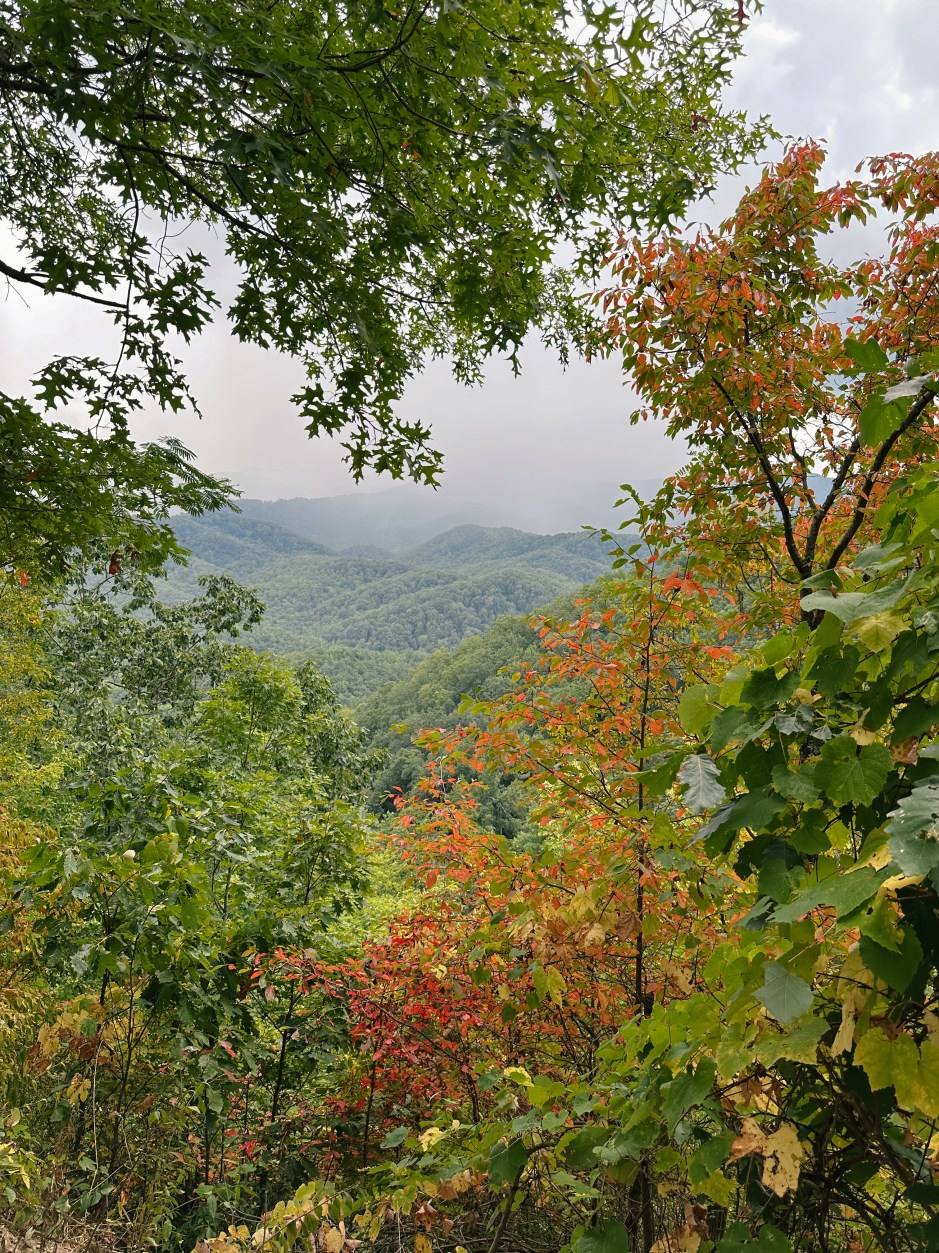
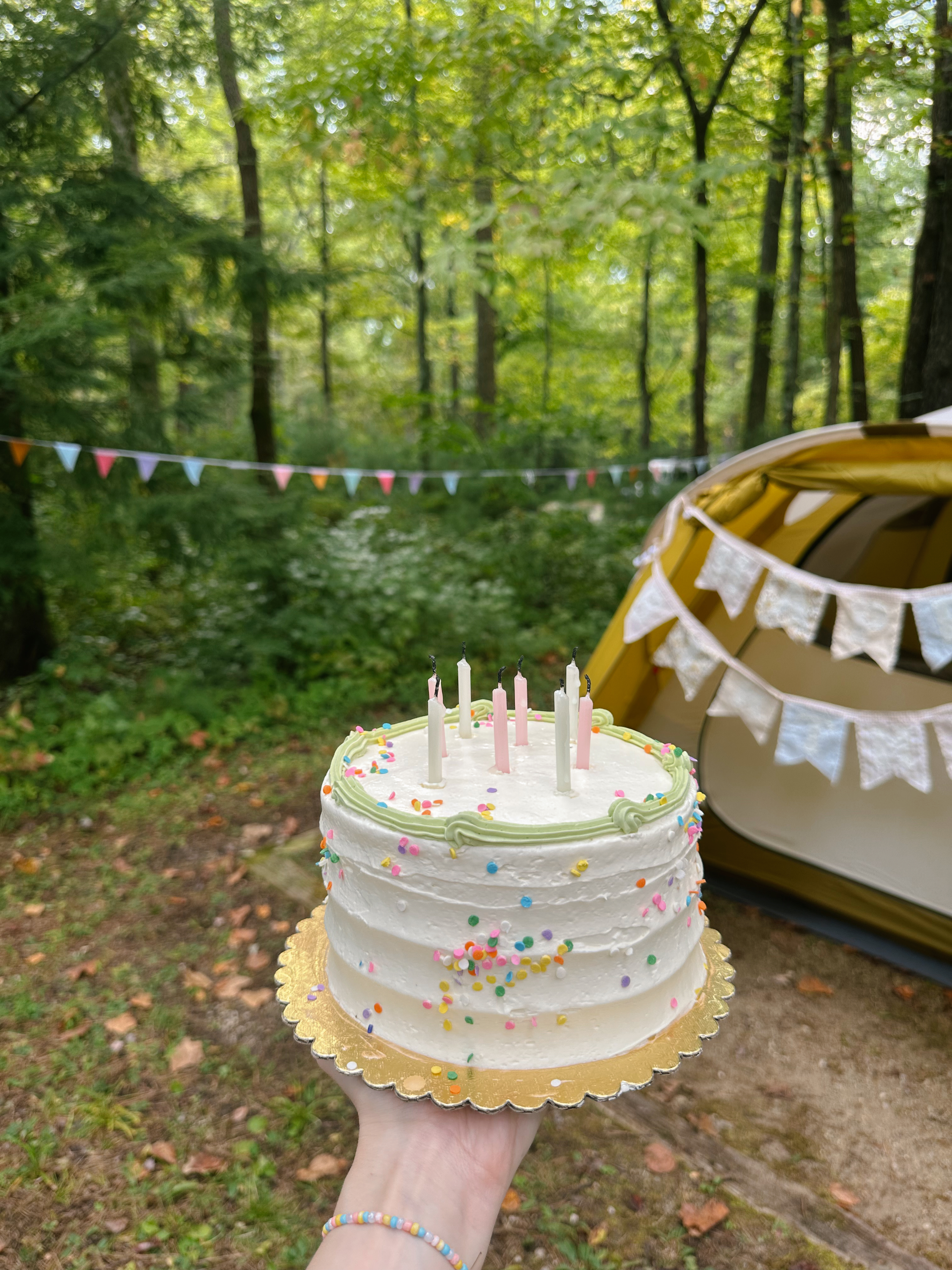

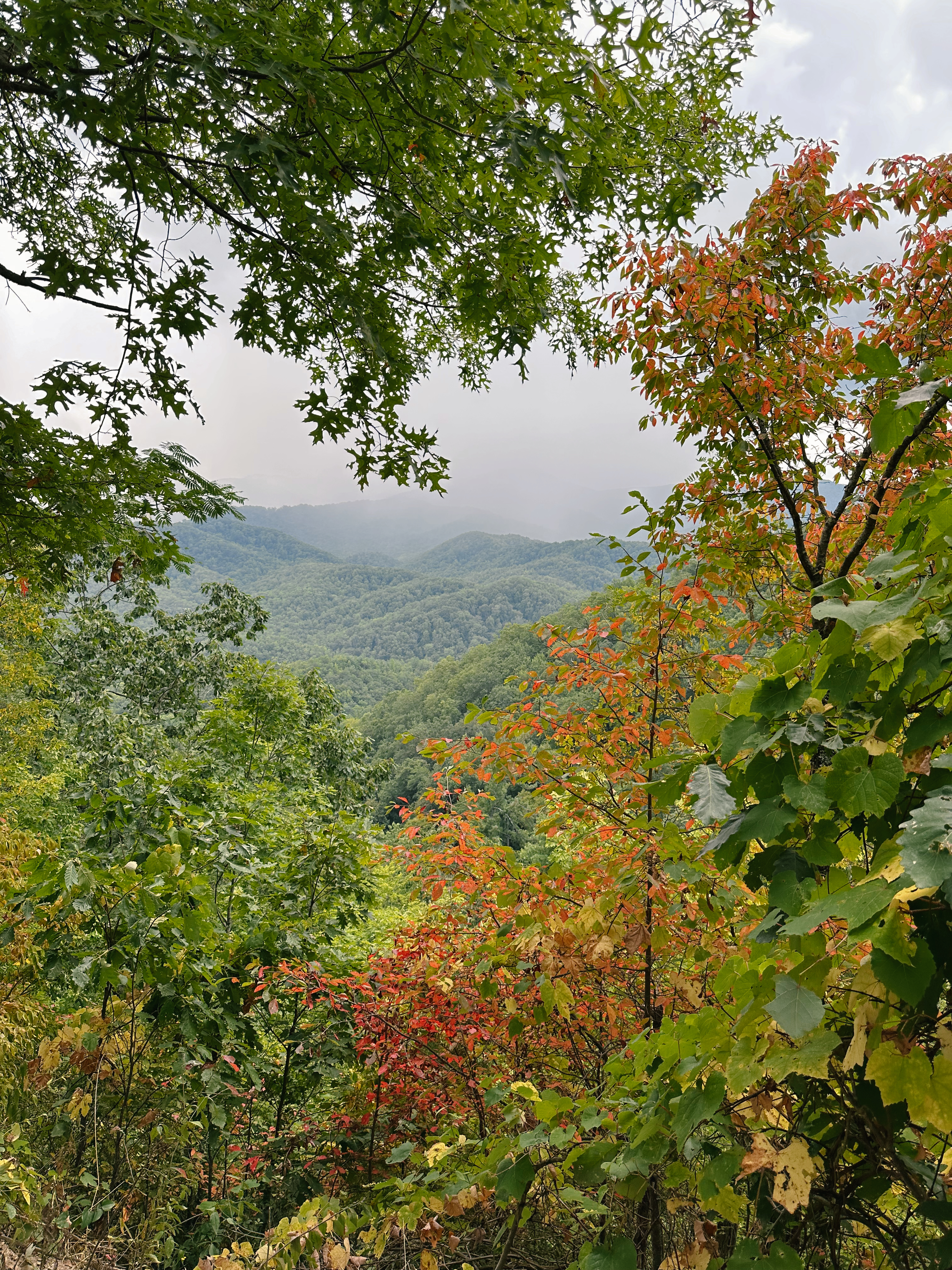
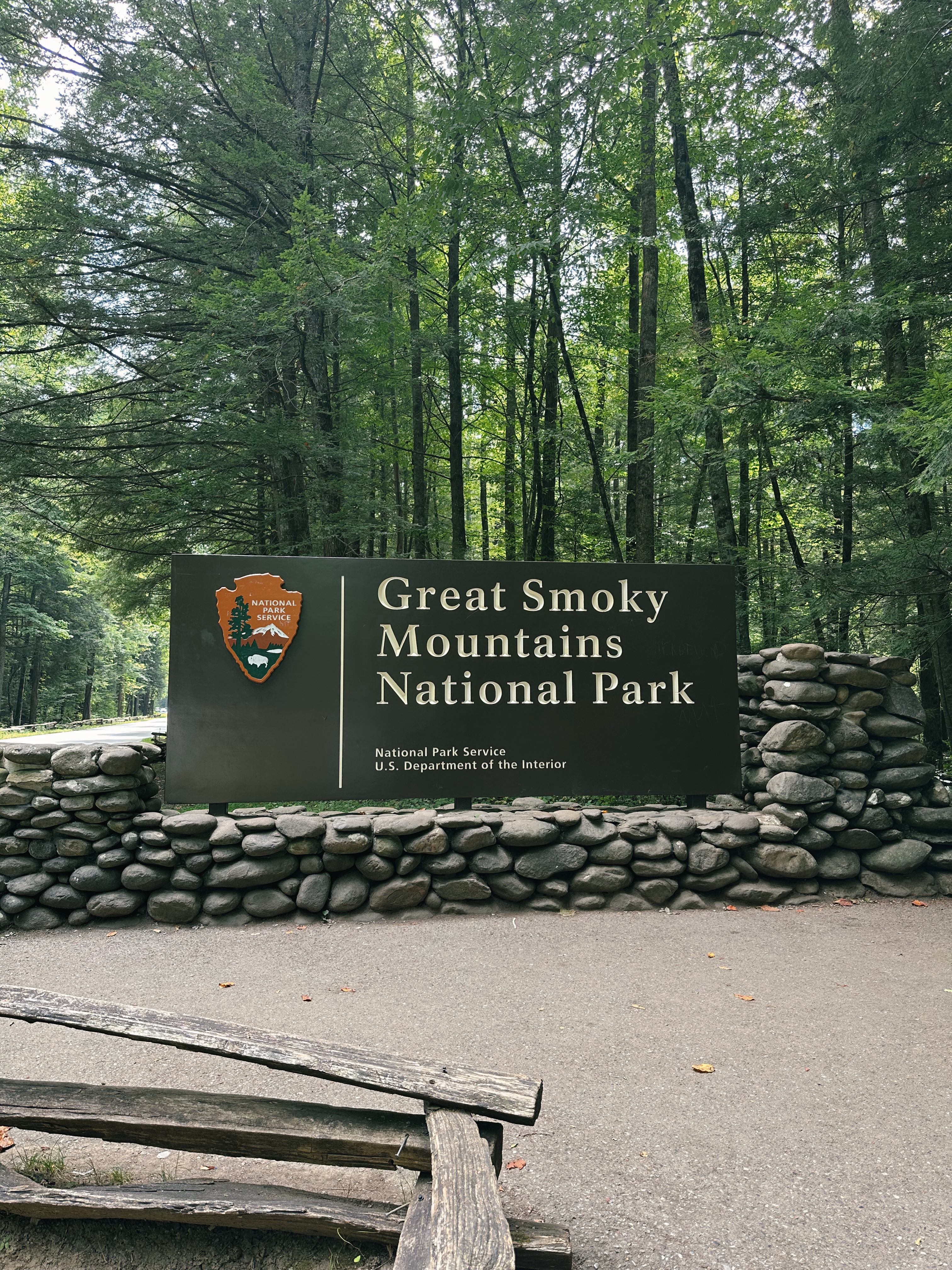
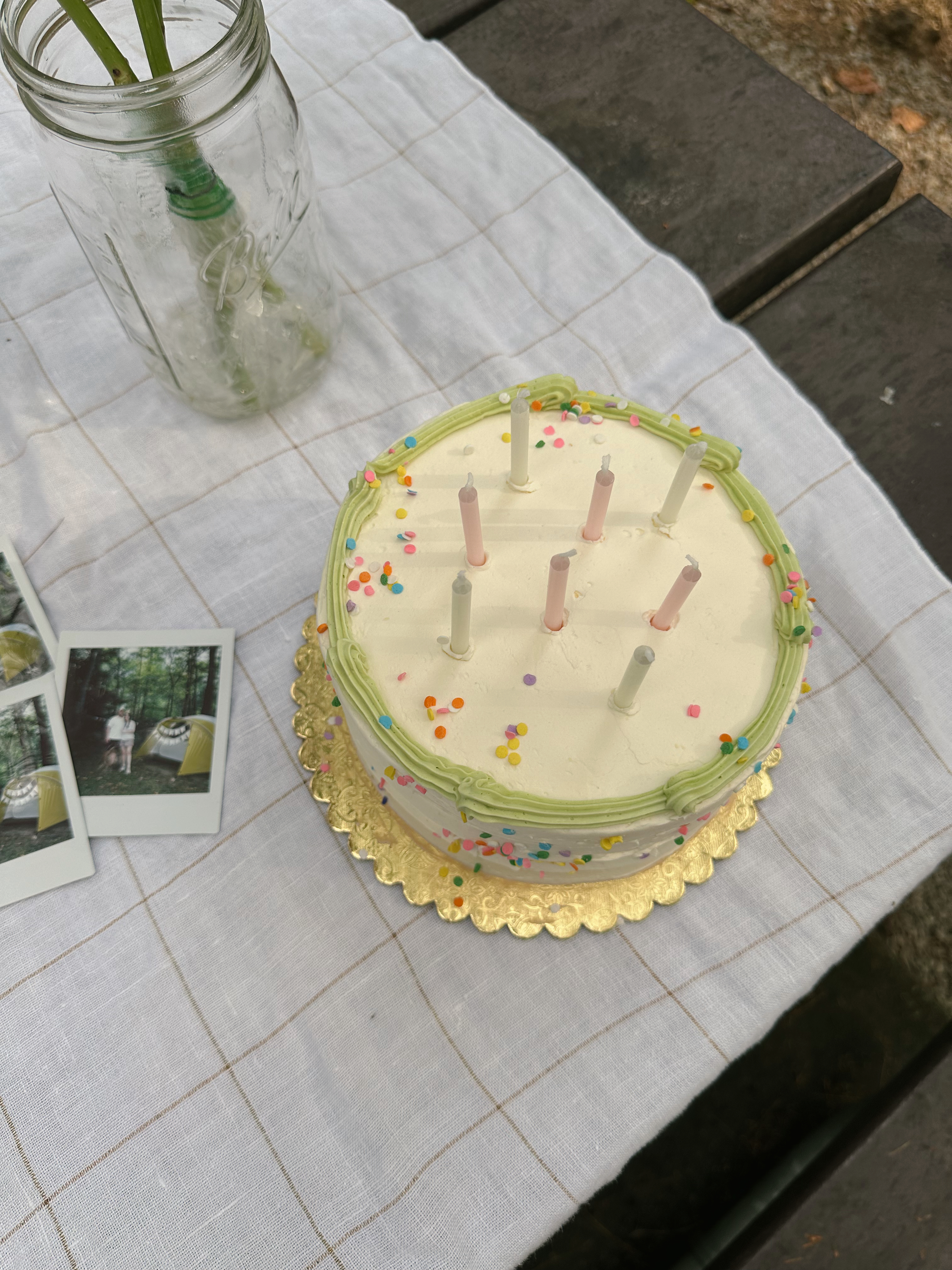
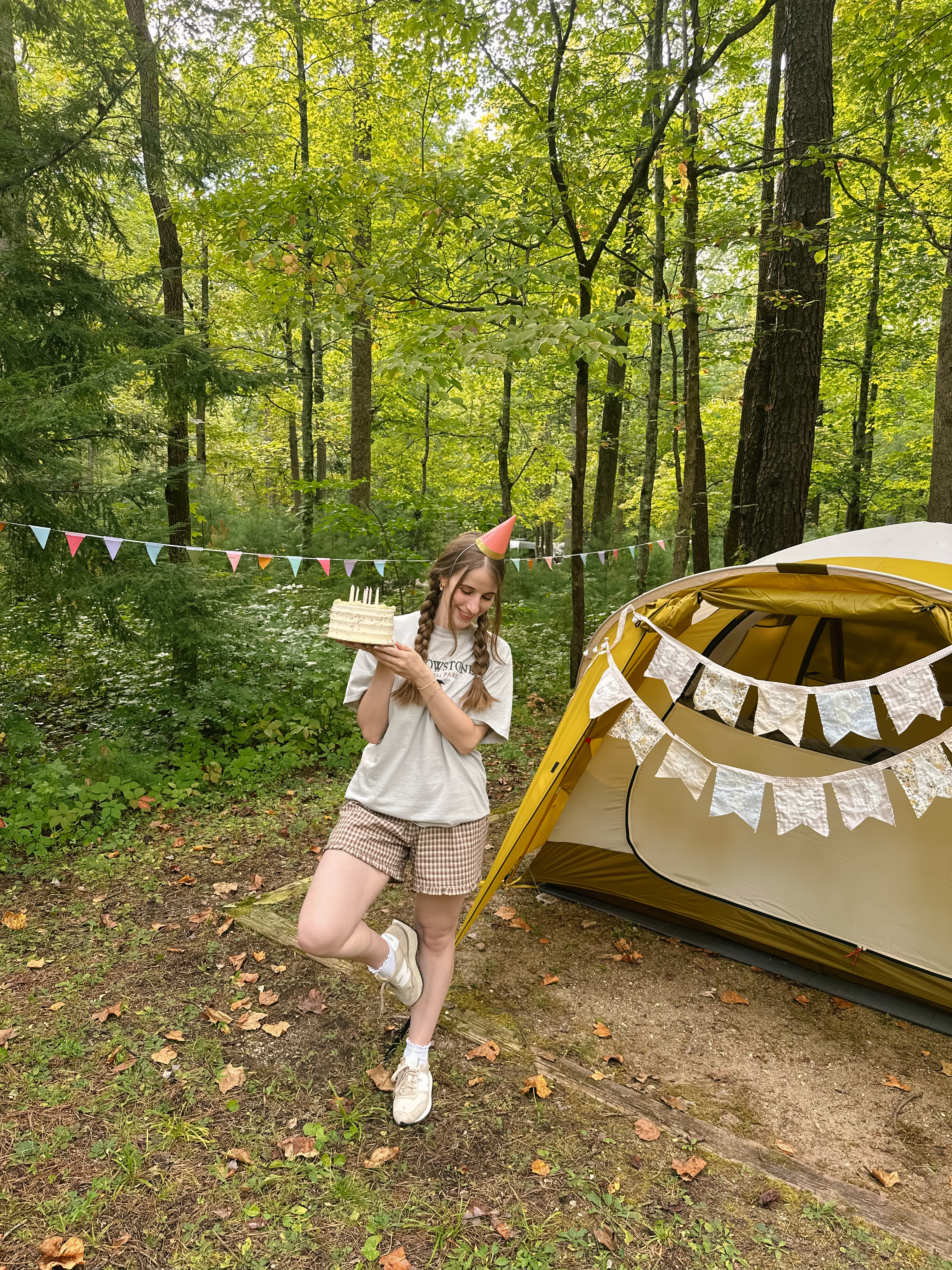
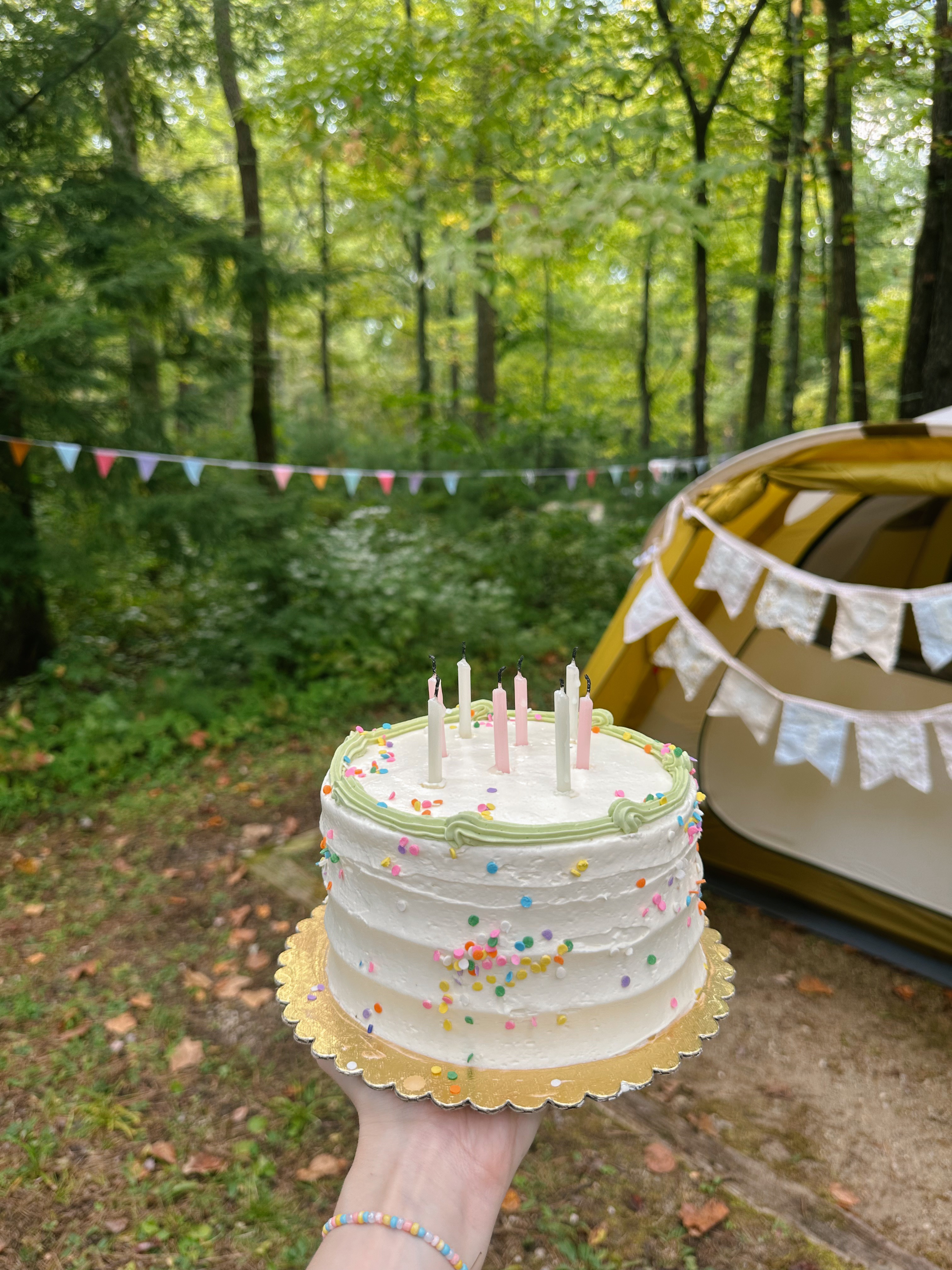
Patrick and I recently spent a long weekend in the Great Smoky Mountains national park. This was our second time visiting the park and it was just as magical as we remembered it being three years ago. This trip was special because it’s the first time we’ve gotten to revisit a national park we’ve already been to and we were celebrating my birthday. This trip, we were able to do and see a lot more compared to our first trip in the park. Here’s a weekend guide to the park based on some things we did:
Things to Know About the Smoky Mountains
- It is FREE to enter the Great Smoky Mountains national park, which is such a plus for visitors!
- As of last year, the park requires a parking pass if you plan to park your car anywhere inside the park for longer than 15 minutes. There are a few parking pass options you can select. For a one day pass it’s $5, for a weekly pass it’s $15. There are kiosks in several areas of the park where you can purchase a parking pass which takes card only. It’s also possible to purchase a pass online before visiting the park.
- If you plan to stay inside the park overnight, there are a few campground options. There are 10 campgrounds located within the park:
- Smokemount
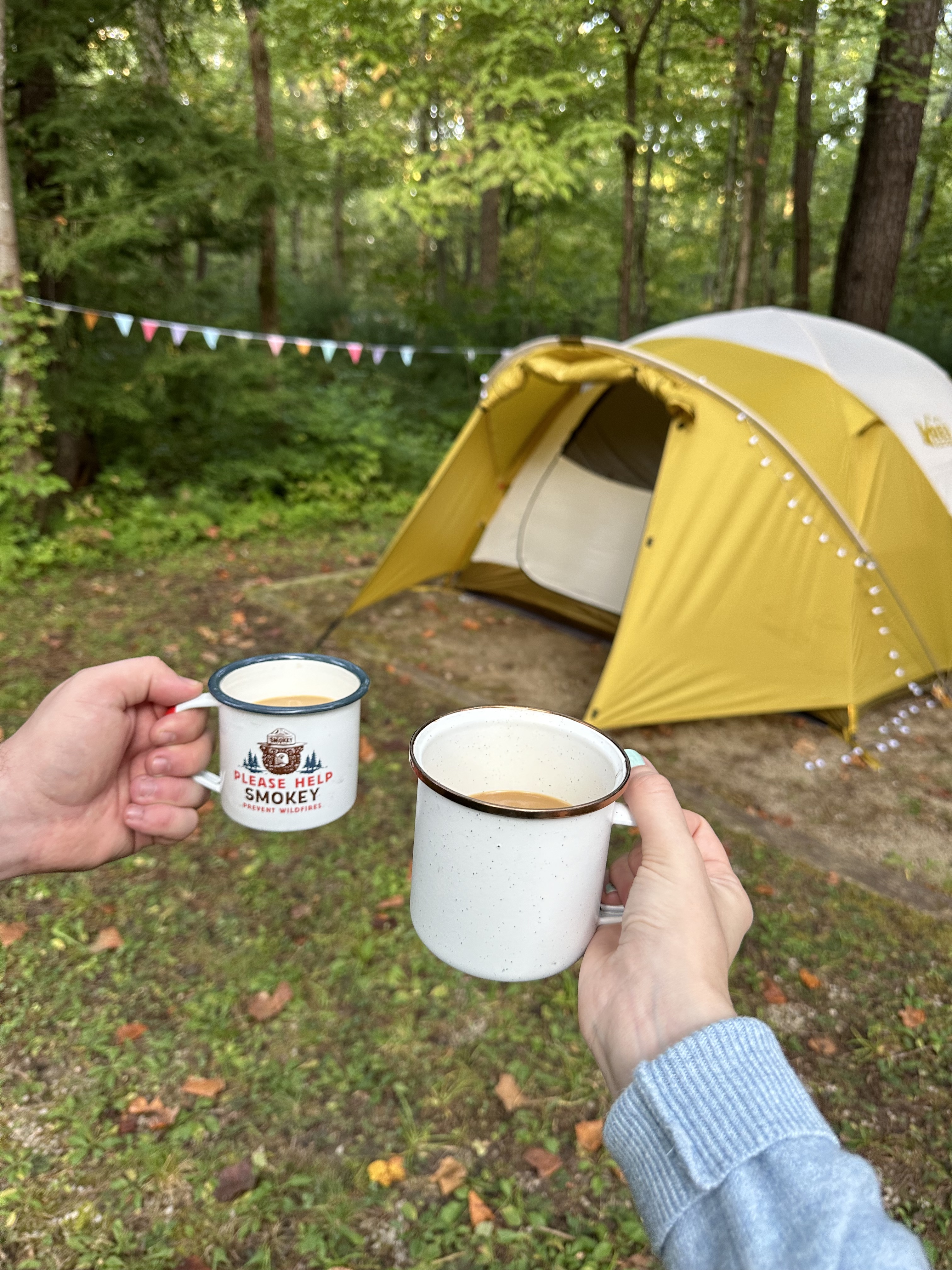
- Cades Cove (we stayed here one night this trip)
- Elkmount
- Cosby
- Abrams Creek
- Big Creek
- Cataloochee
- Deep Creek
- Balsam Mountain
- Look Rock
- Keep in mind, the campgrounds are located in various areas of the park (the Smokies are huge!) so it’s important to pick a campground central to the area you’ll be exploring. The campgrounds don’t offer showers so also be prepared for this as well. We stayed at Cades Cove for one night this trip and enjoyed how central the location was to the cades cove scenic loop area.
- If you’d rather sleep in a hotel, cabin, or another accommodation, it would be best to look in the towns surrounding the park; Gatlinburg, Pigeon Forge, Sevierville, and Townsend. We ended up finding a cabin just outside of Gatlinburg for the remainder of our stay and it was great!
Things to do in the Smoky Mountains
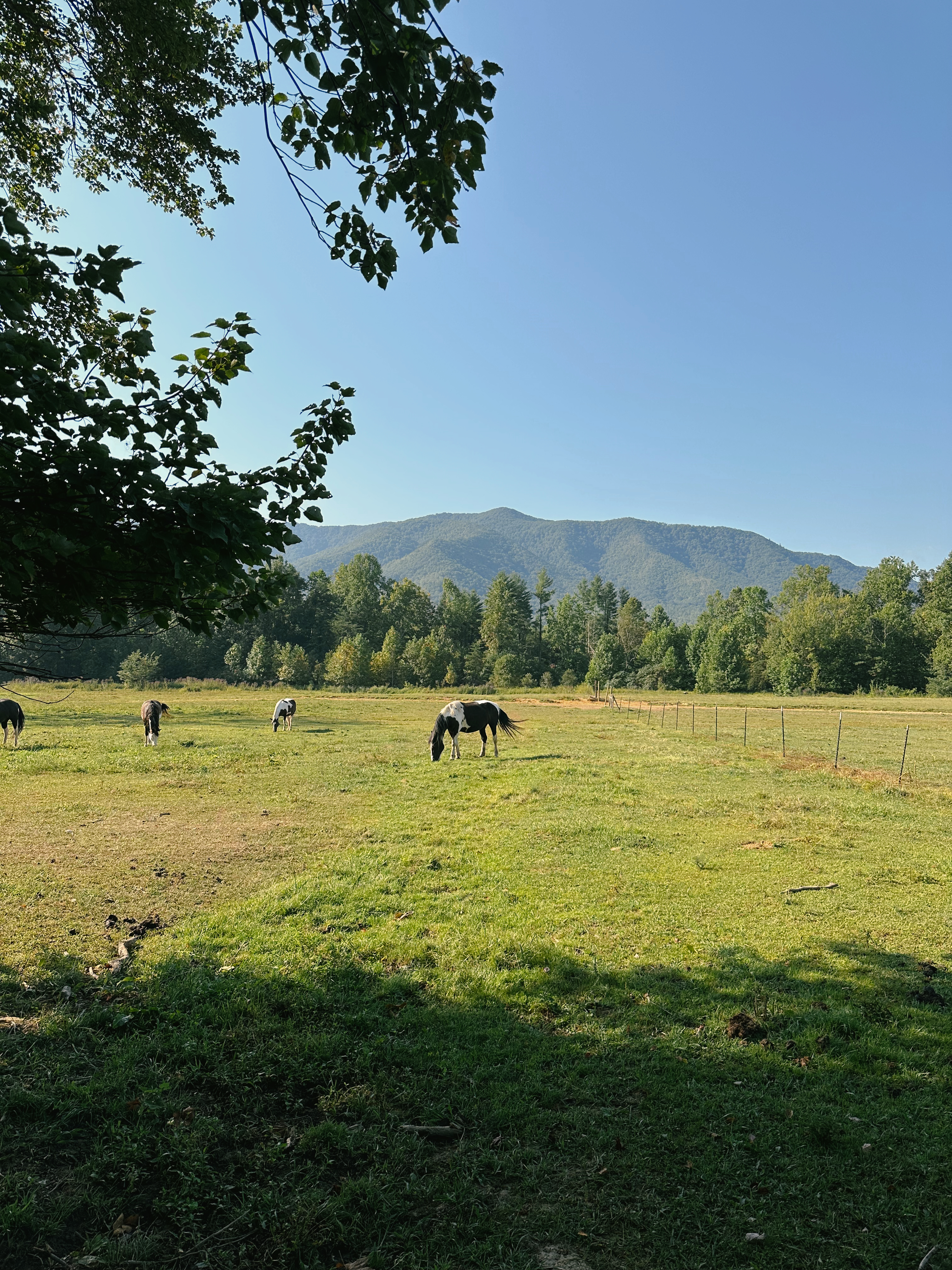
Cades Cove loop. This is the top activity I’d recommend doing while visiting the park. Cades Cove offers a scenic 11 mile one way that you can drive along. There are so many pull off spots you can use to soak in the stunning views. You will definitely see wildlife here while driving through, this past trip we saw black bears from a distance but three years ago, we saw a family of black bears pretty close to the road which was incredible! This area does get crowded since it’s so accessible, so be prepared for lots of crowds and people driving slow to soak in the views and capture photos. There’s also an option to bike the loop and you can rent bikes at the convenience store before starting the loop. The Cades Cove visitor’s center is located along the loop, there are bathrooms there and a store you can stop by as well.
Newfound Gap Road. Another scenic road I’d recommend driving along is the Newfound Gap, it’s extremely scenic and also offers plenty of pull off spots. This road also takes you to popular hikes like the chimney tops trail and the alum cave trail.
Drive parts of the Blue Ridge highway. We had this on our list for the weekend, but weren’t able to fit it. The south end of the Blue Ridge highway is located close to the North Carolina part of the Smoky Mountains. It’s a long highway but worth driving along parts to soak in more mountain views!
Visit popular towns nearby. As I mentioned, the park is located around so many towns that offer lodging, restaurants, and souvenir shops. We spent some time exploring Gatlinburg and Pigeon Forge. I’d recommended exploring or checking out a restaurant in town. These towns are definitely overcrowded, especially in the summer time but still worth driving through.
Hike! Of course when visiting any national park, there will likely be some great hikes to try. This trip we planned for two popular hikes and I’m so glad we had the opportunity to hike these trails. Keep in mind, during the summer months, the parking lots for the trails fill up extremely quickly! We weren’t able to get to either hiking trail early in the day so we had to circle around a few times to find a parking spot. Some hikes I’d recommended adding to your list:
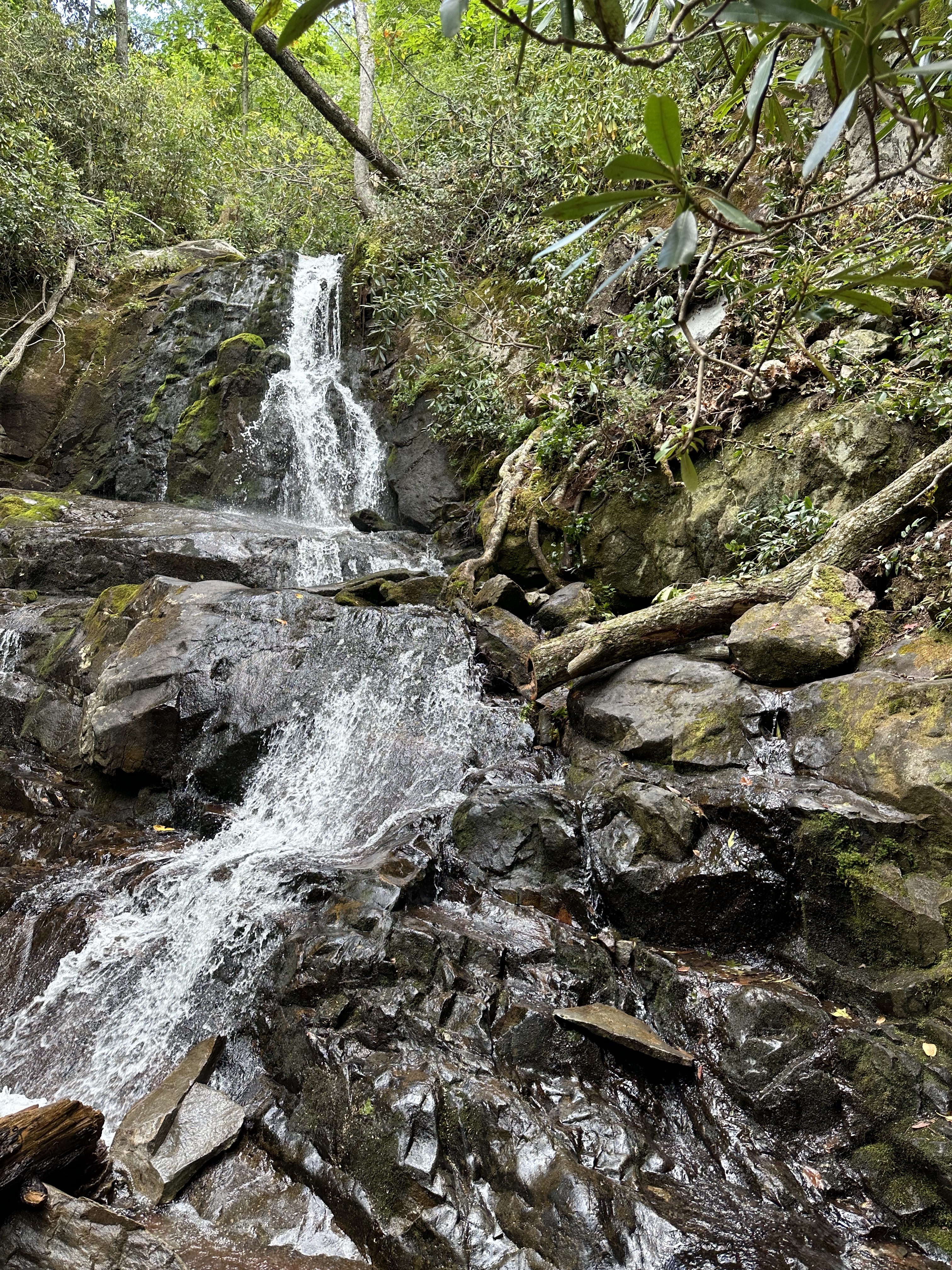
- Laurel Falls. This is one of the most popular trails in the park and likely because it’s fairly easy to complete. Hiking to the falls is about 2.5 miles round trip. Once you get to the falls, there’s an upper and a lower area to explore. Accessing the lower falls is a bit risky so we decided to stay near the upper falls.
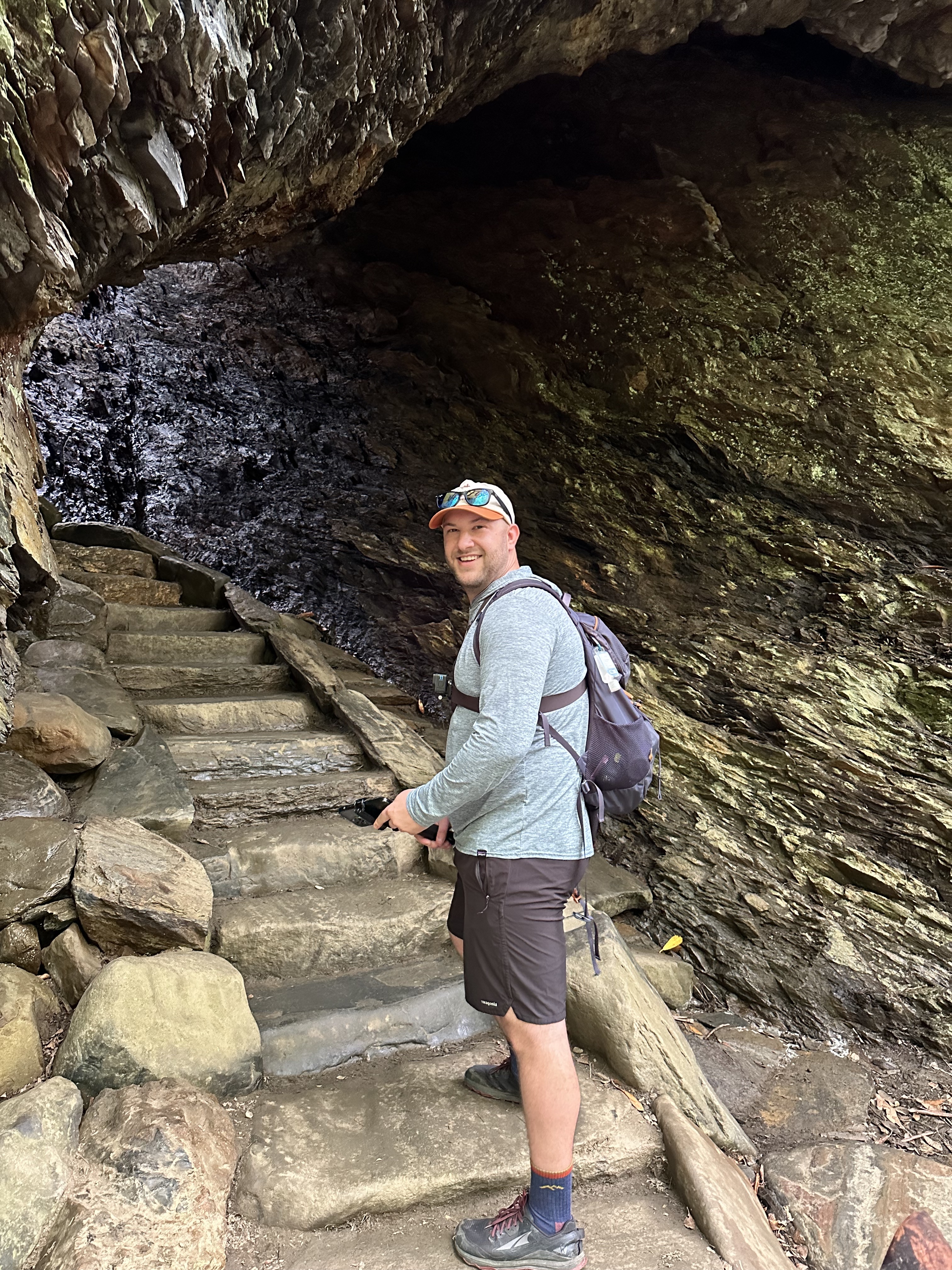
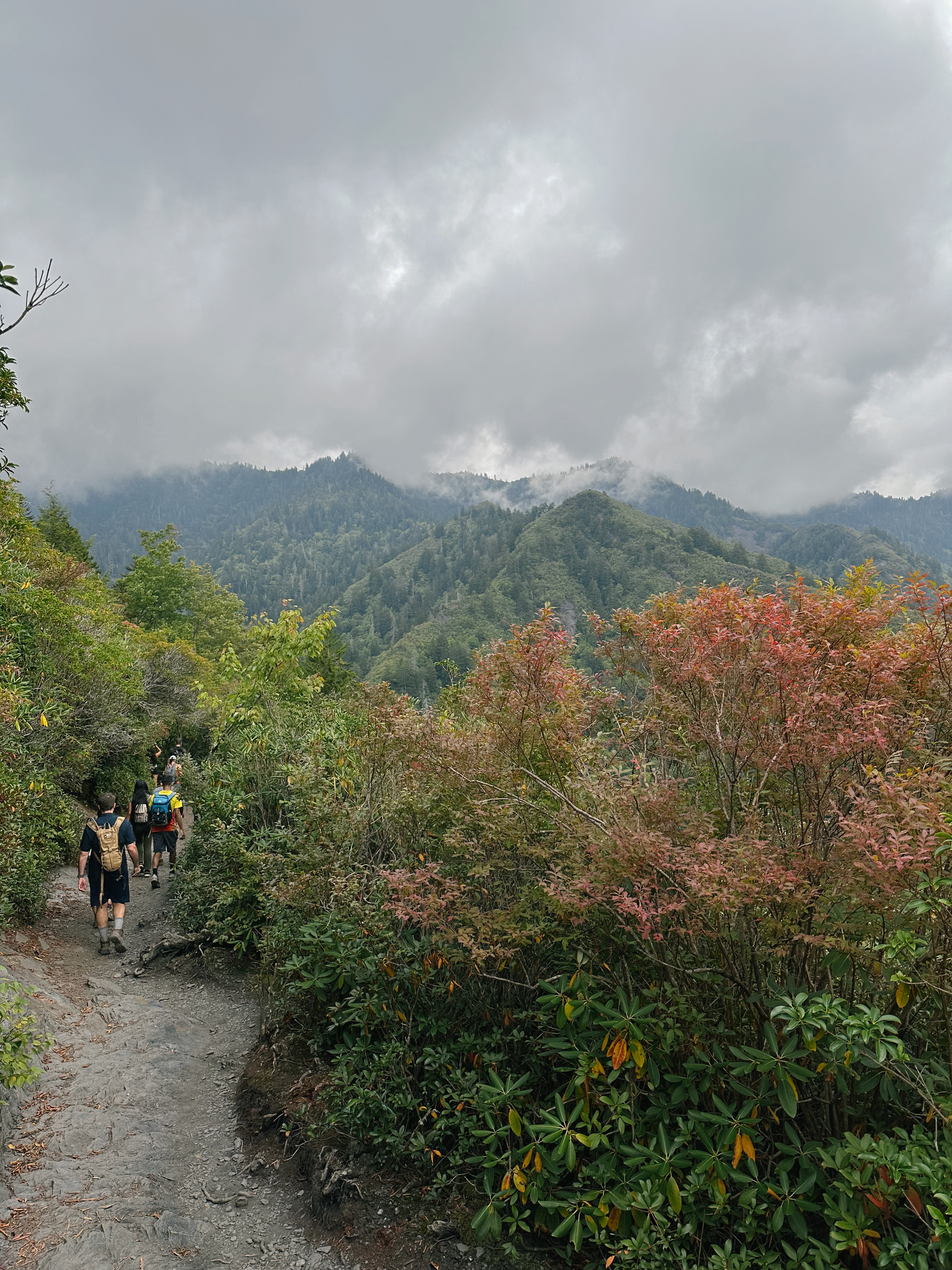
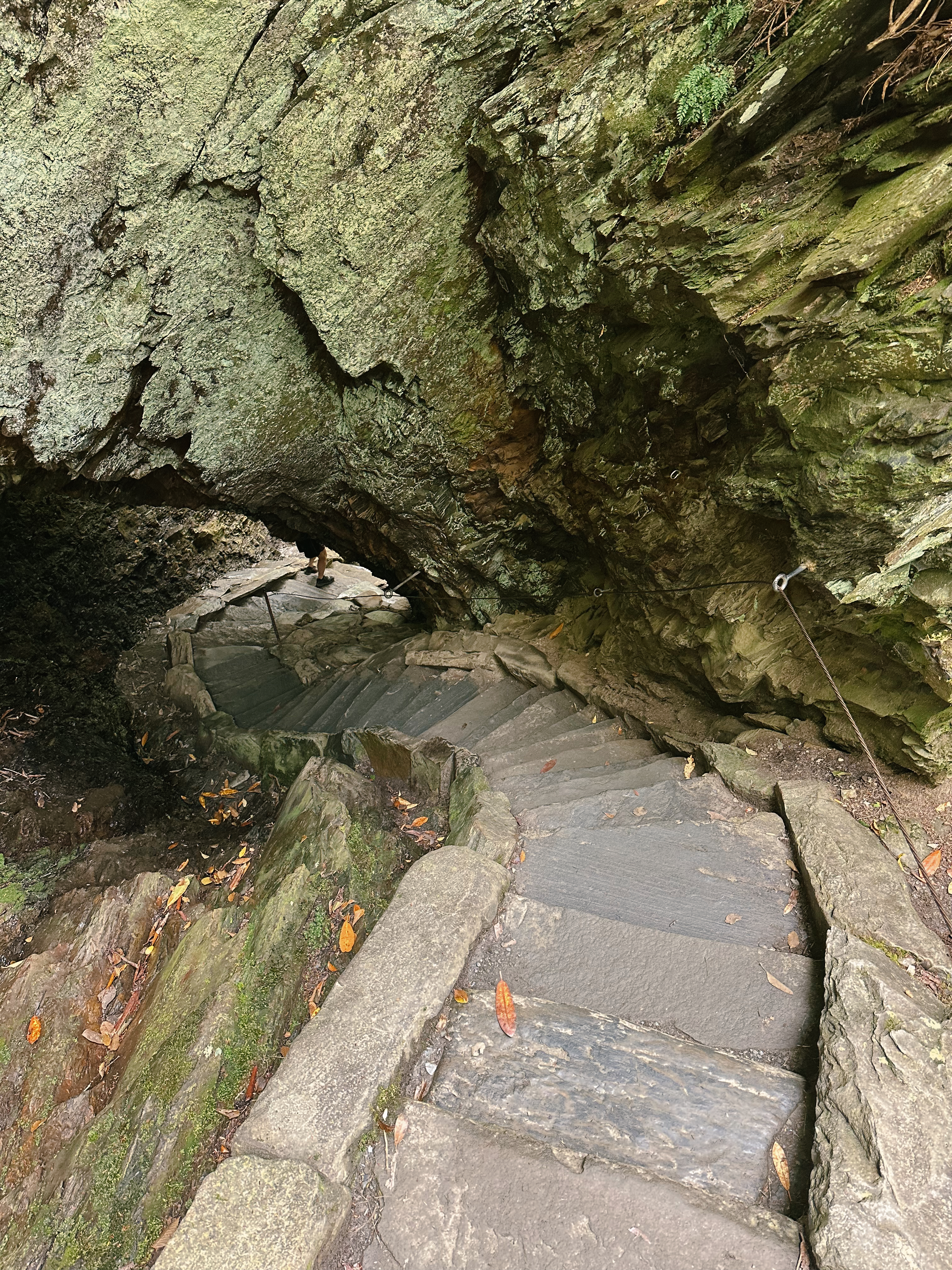
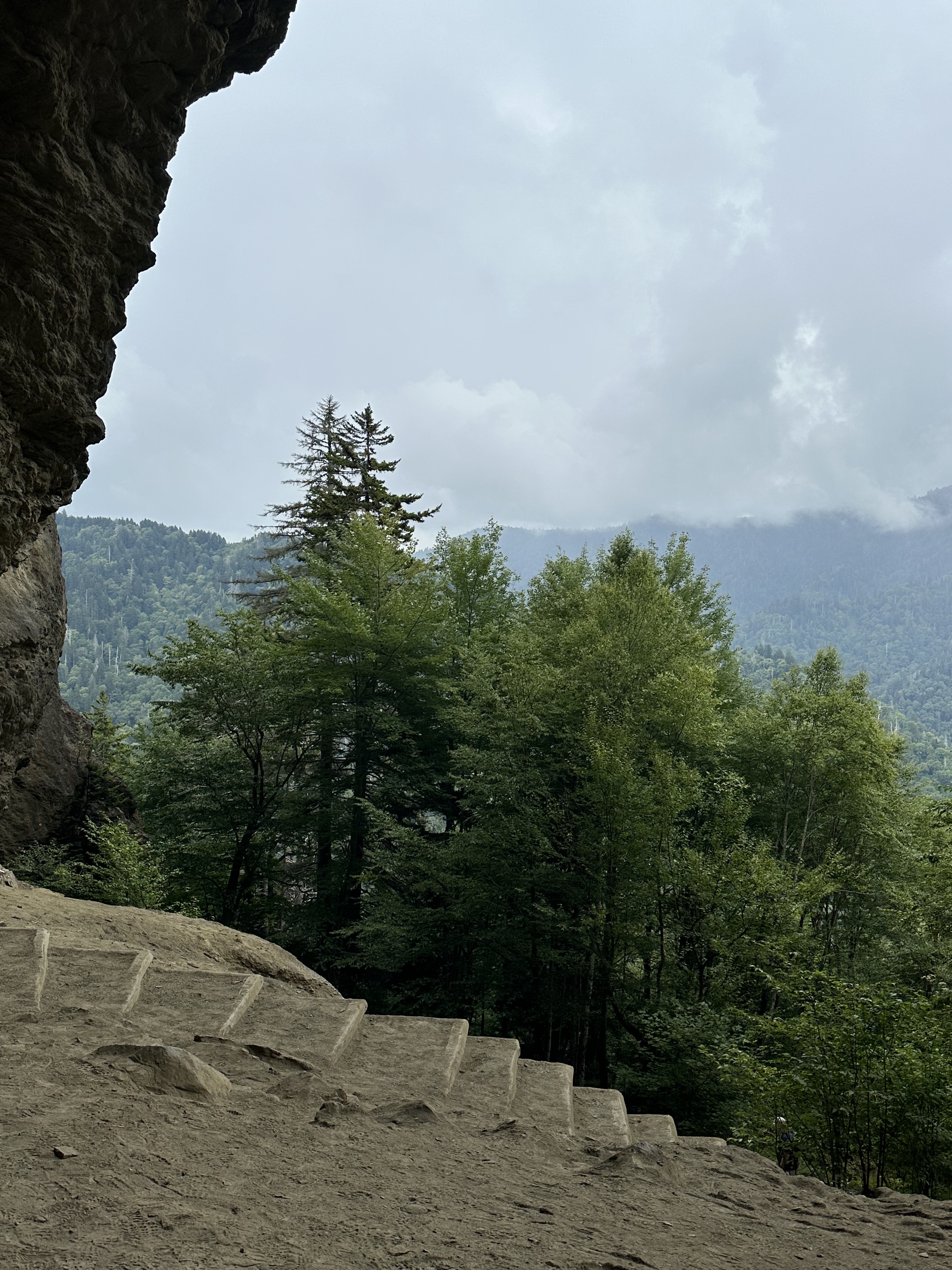
- Alum Cave. This was our favorite hike we completed this trip! There are a few options to complete this hike. You can hike to the Arch Rock only which is about 1.4 miles one way, or you can continue and hike to the Alum Cave Bluffs which is about 2.3 miles one way. We decided to hike all the way to the bluffs and in total the hike was close to 5 miles round trip. Hiking to the bluffs was a bit challenging, and most of the hike was uphill but the views at the top made it all worth it! Another option is to continue hiking from the Bluffs all the way to Mt. LeConte, which would make the hike a total of 10 miles round trip. I’ve heard continuing on to the LeConte is stunning but very challenging.
- Rainbow Falls. We completed this hike on our last visit to the park and it was stunning! I’d recommend also trying this hike if you only have time for one trail.
- Abrams Falls. We wanted to hike this trail last time we visited but it was closed due to construction. It’s located within Cades Cove and also seems like an incredible hike that we want to try on our next trip!
Go Fishing. If you like to fly fish, the park has some great rivers that are easily accessible. One thing to keep in mind is you do need a Tennessee or North Carolina fishing license if you plan to fish inside the national park. Fishing licenses can be purchased online, they are not sold at any store in the park.
 skylarbeck.com