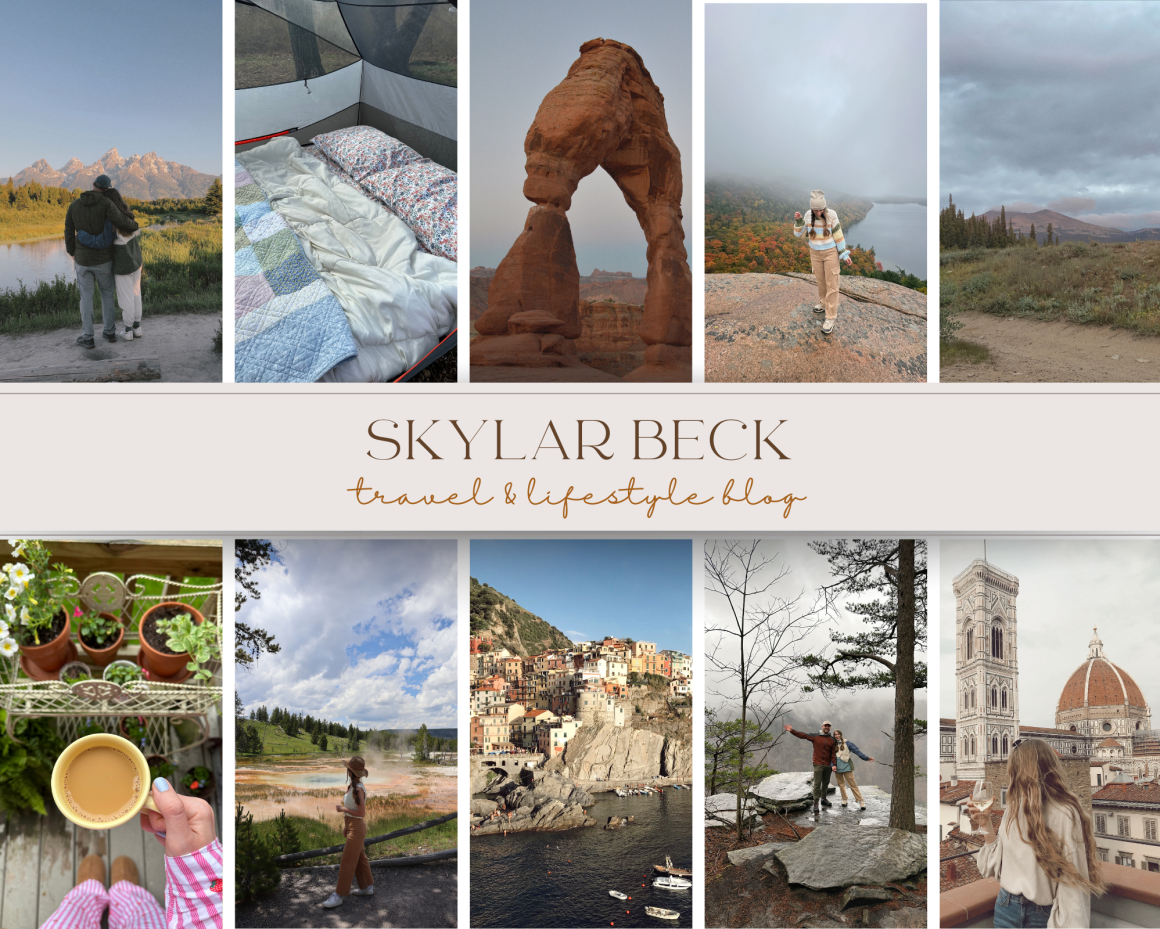



There’s been a lot of recent news and updates regarding the future of national parks. If you’ve read my blog before, you probably know national park travel is so important to me. If you’ve visited a national park before, you likely understand why they need to be protected. I consider it such a gift to have these stunning places throughout the country, full of beautiful scenery, incredible wildlife, and wonderful hikes and activities to explore. These places wouldn’t exist or thrive without the work and dedication of so many park rangers, forest service workers, and volunteers of the national park service.
The current administration recently fired thousands of public land and national park employees, leaving these magical places at risk. Not only for the visitors who cherish these places but for the wildlife that are able to call these places home.
The current updates have been very unsettling for me and I wanted to create a post sharing resources and things to be aware of if you also love and appreciate our national parks. I will also be sharing ways to advocate and do our part in maintaining the national parks to the best we can.
Things To Be Aware of Moving Forward
Due to the lack of staffing, there may be many changes within major national parks. It’s easy to not always recognize how much these workers contribute to the parks because of how much time and effort goes into caring for these areas. Now more than ever, it will be important for all of us to do our part. There’s a lot we still don’t know but, for now, these are things that may be a result of less staff to assist in maintaining the parks and public lands.
- There may be unmaintained trails. With the reduction of staff, some hiking trails may not have their usual attention and care which could mean more fallen trees, rocks, or other obstacles that could interfere with the safety of a trail. Please keep this in mind when exploring and hiking. It will be important to do your own research, look up weather conditions before hiking, and use your best judgement!
- More trash and litter. With less workers to care for and manage waste, this could possibly cause litter to accumulate in the park. Please do your part in picking up trash when you see it!
- Less search and rescue availability. This is arguably the biggest loss with these new changes. If you run into a safety concern on a hiking trail or within the national park, there may not be help available for you. Again, it will be important to use your best judgement and come prepared with proper gear.
- Campground and closures. There could be temporary closures and less campgrounds that can be maintained with less staff. Similarly to other tips, it’s important we are more aware of trash and leaving no trace. It will also be beneficial to check park websites to find out if there are any closures ahead of time when planning a trip.
Things We Can Do
- Respect these parks and spaces. This should be the case anyways but with fewer staff, it will even more important to follow rules and respect these places, especially when it comes to wildlife! We are a visitor in their home, which is so important to remember when visiting a protected area like a national park.
- Be patient. With fewer staff, national park workers will be even more overworked and understaffed. This could cause an increase in delays, lines, and less help available during your visit.
- Sign a petition that helps protect these parks during this time. I will link a petition from the National Park Conservation Association that you can sign if interested. On the website, you’ll find a few different petitions and actions you can sign regarding the matter. Please consider signing or finding out more information on their website.
- Call your representatives and share your feelings about the matter.
- Volunteer at your local national park or national forest!
- Continue to spread awareness about this with others and while visiting national parks moving forward! Share this post, write your own, talk with friends and family about this matter.
I will be sharing more information as we continue to learn more about these changes. National parks are truly so special and I hope we can all make an effort to continue to protect them.


 skylarbeck.com